


Field Notes
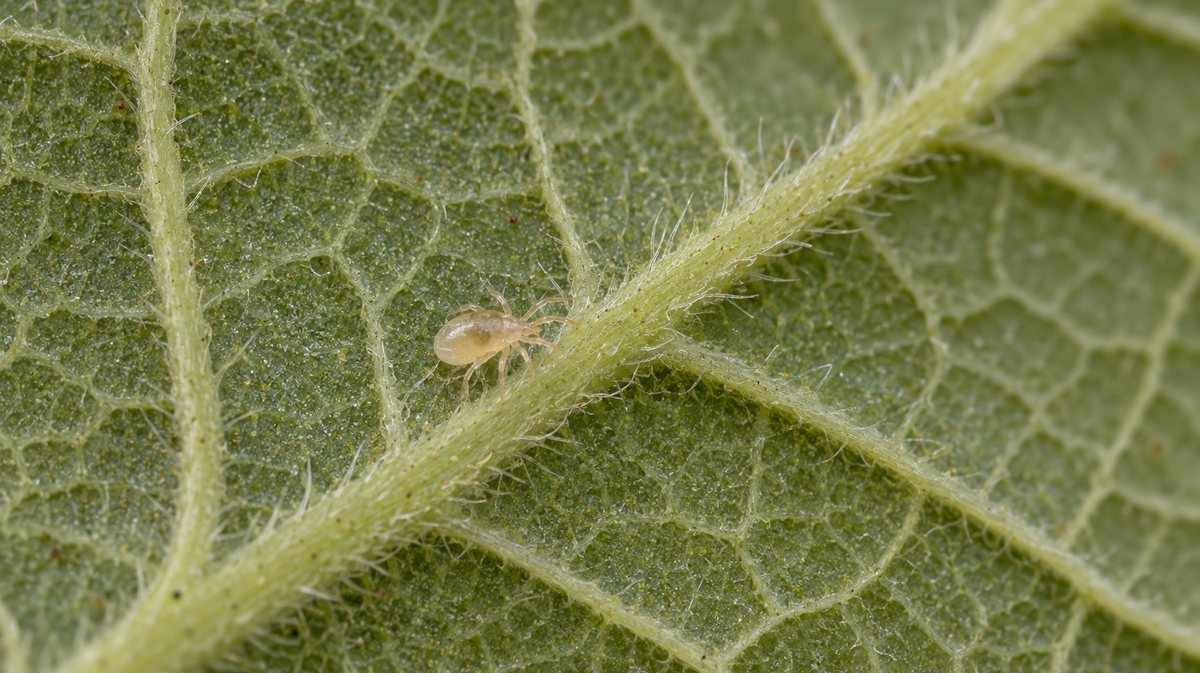
Andersoni Has Other Dinner Plans
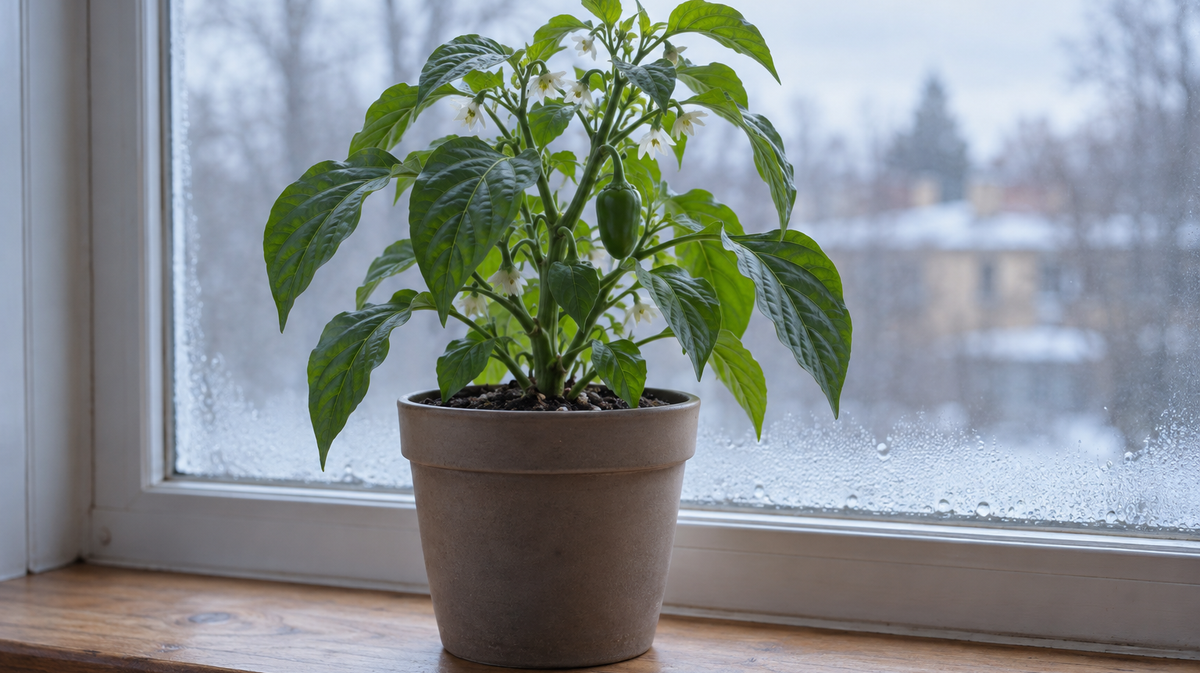
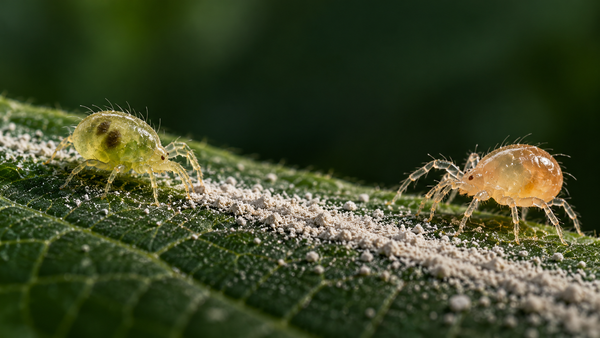
Swirskii Wants the Warm Room
Why a living swirskii mite is not the same as a growing colony, and how to interpret cool conditions around your plants.

Native vs Invasive Ladybugs
Most ladybugs you'll encounter are red with black dots — and that description fits native, introduced, and invasive species equally. Here's how to actually tell them apart, what the harlequin ladybug has been doing to native populations, and where the real ecological concerns are.

Your Grow Light Isn't Killing Your Predatory Mites. Your Humidity Might Be.
UV gets all the attention, but it's rarely the problem under standard LEDs. The variables that actually determine whether predatory mites thrive in a lit grow space are humidity, heat, and photoperiod — and all three are fixable once you know what to look for.
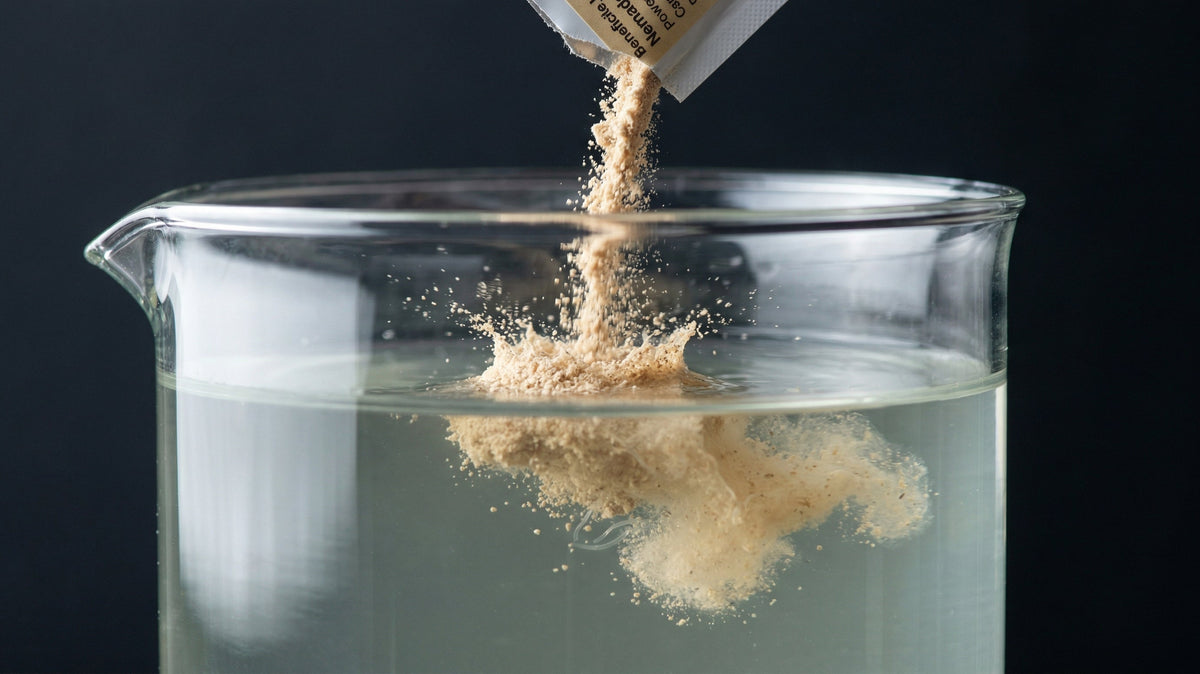
How Beneficial Nematodes Work: The Science of "Waking Up" Soil Predators
That packet of powder contains millions of living nematodes in a state of suspended animation — dried down, refrigerated, and waiting. Here's the biology that makes it possible, how they're produced at scale, and what actually happens in the fifteen minutes after you add water.

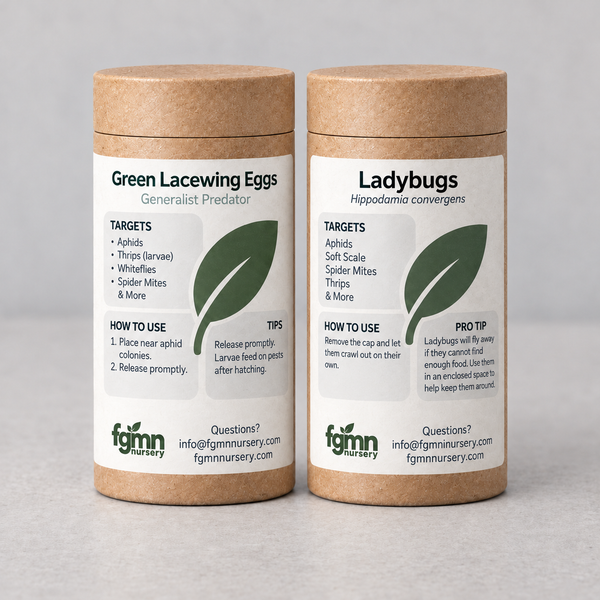
Eggs on Stalks: The Unusual Biology of Green Lacewing Eggs
Green lacewing eggs are laid on silken stalks — an evolutionary solution to two problems at once. Here's the biology behind the structure, what happens inside the egg as it develops, and how to deploy them effectively against aphids, mealybugs, thrips, and more.
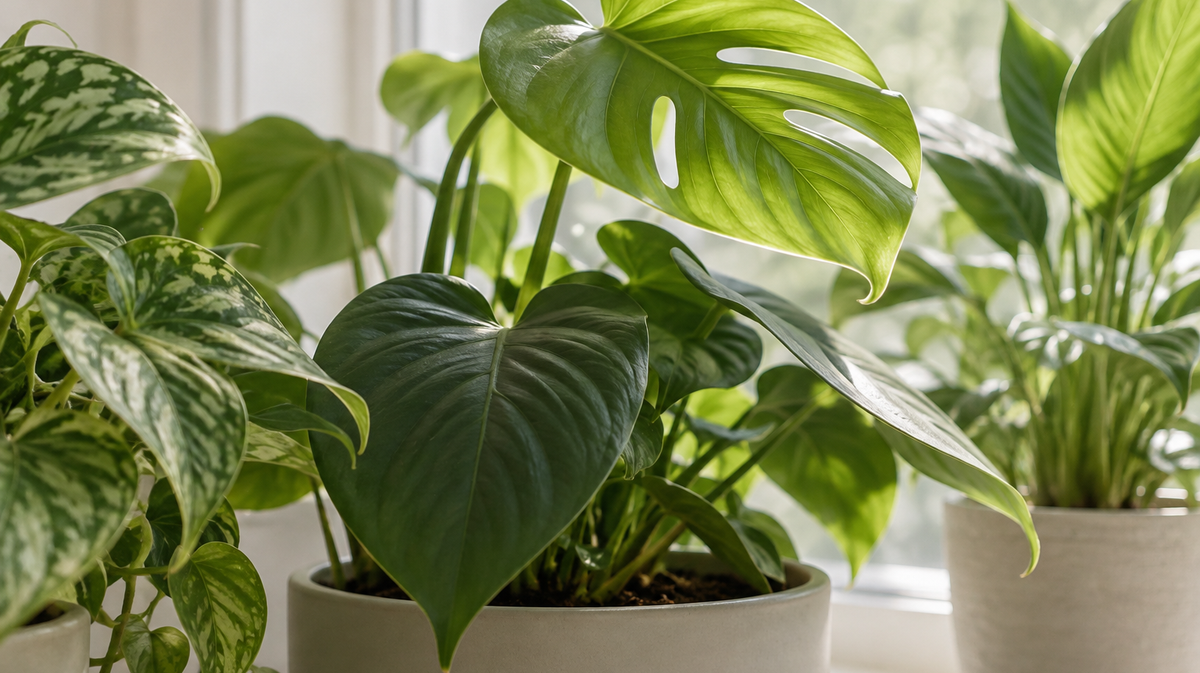
The Hidden Weather That Shapes Plant and Predator Life
Invisible weather shapes every growing space. Warm air pools under lights, cool air settles near the floor, and in between, tiny predators decide where they’ll thrive. Learn how microclimates influence the balance between plants, pests, and the mites that keep them in check.
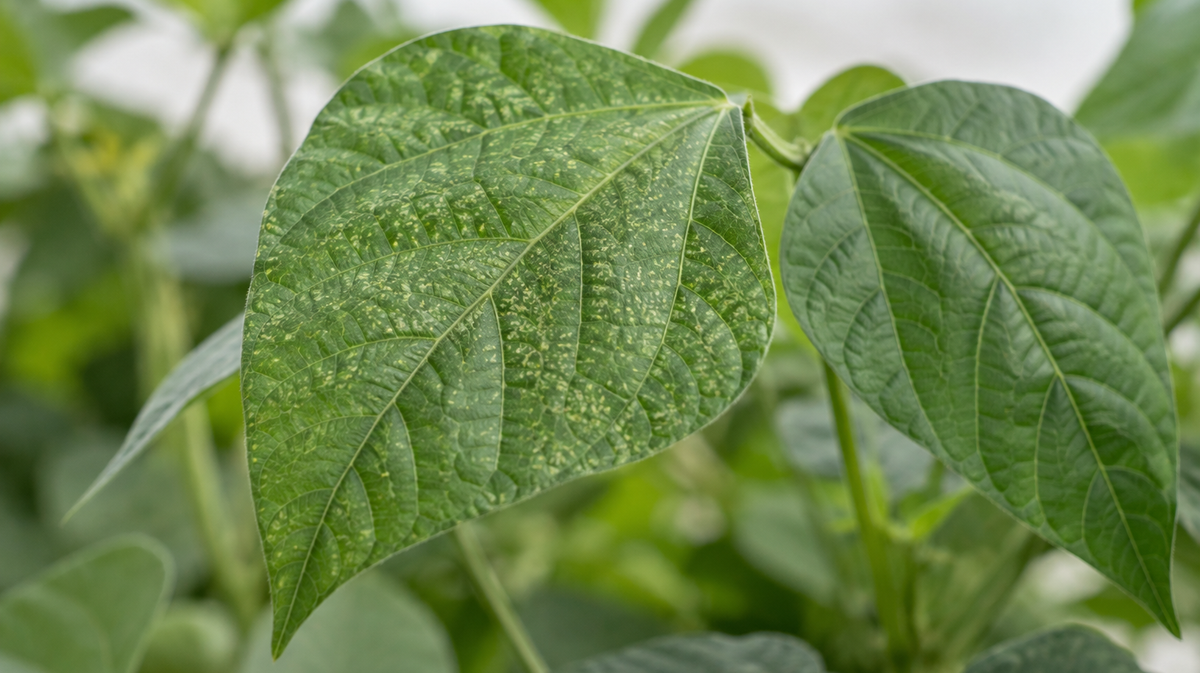
How Predatory Mites Use Chemical Signals
Predatory mites don’t just hunt—they communicate. Plants call for backup with chemical signals, predators leave scent trails, and entire ecosystems shift in response. These invisible conversations shape how pests are controlled, long before you see results on the leaves.