


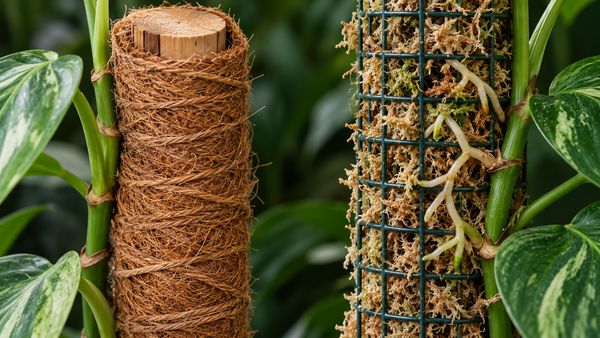
Field Notes
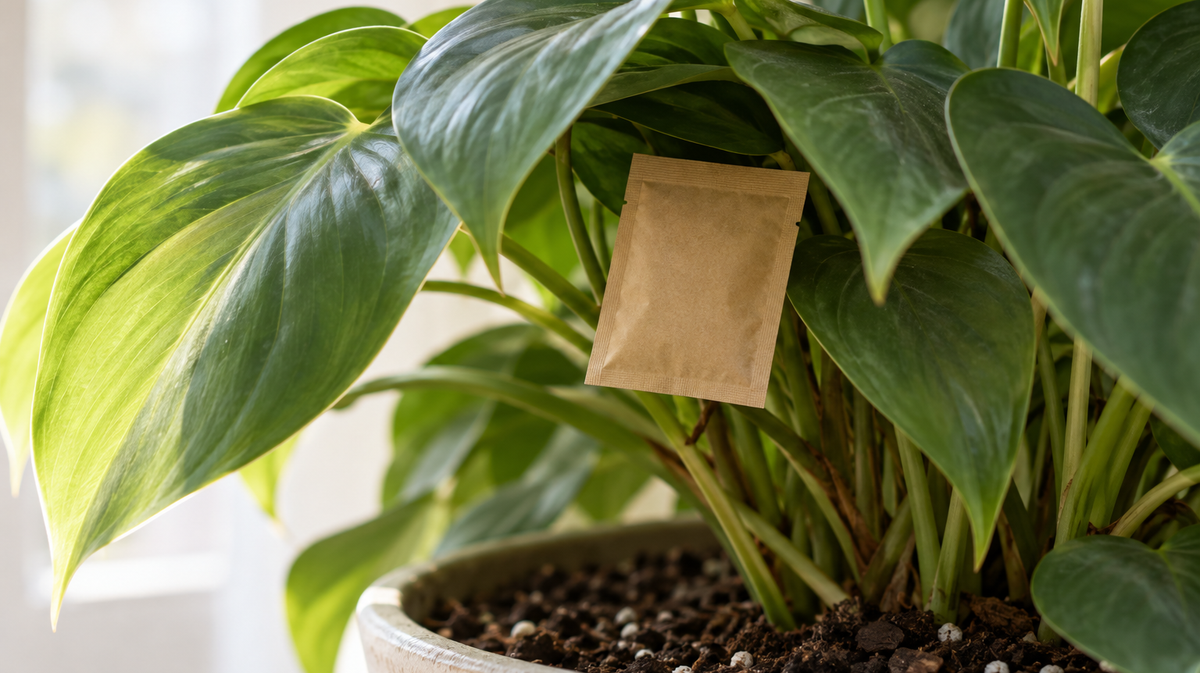
Swirskii Needs More Than a Warm Room
How warmth, drying air, and sachet placement interact, and why to measure the environment near the foliage.
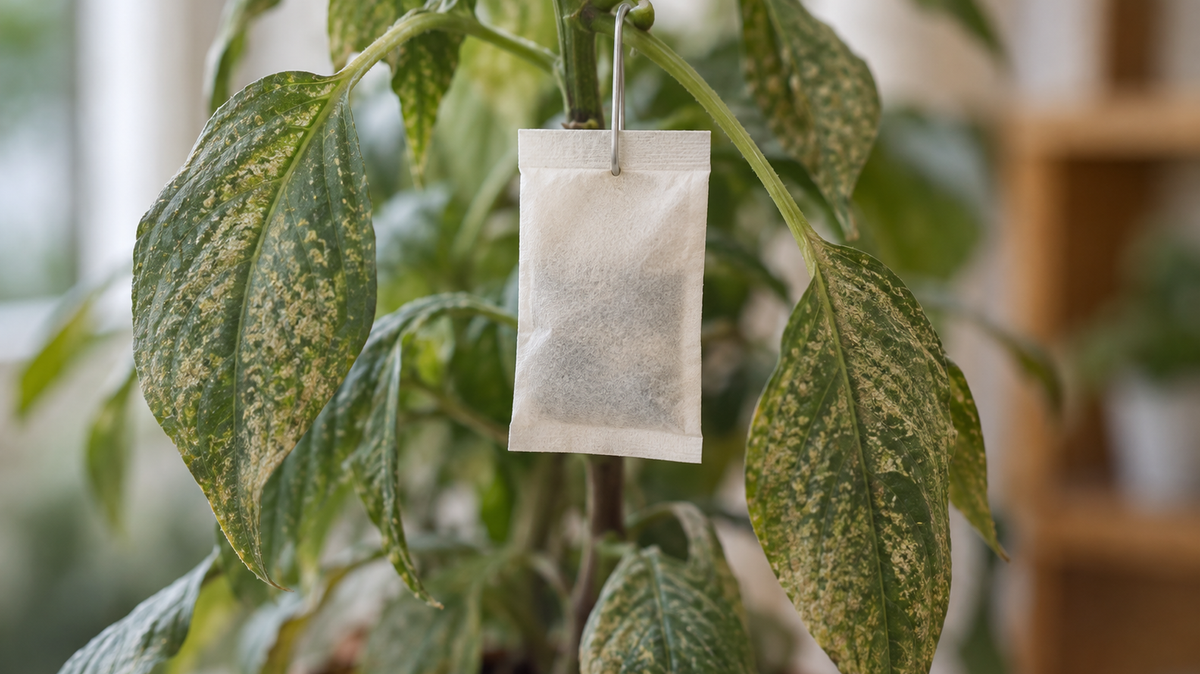
When Swirskii Is Not Keeping Up
Trace an unsuccessful swirskii release from pest trends through delivery, conditions, and treatment coverage before repeating it.
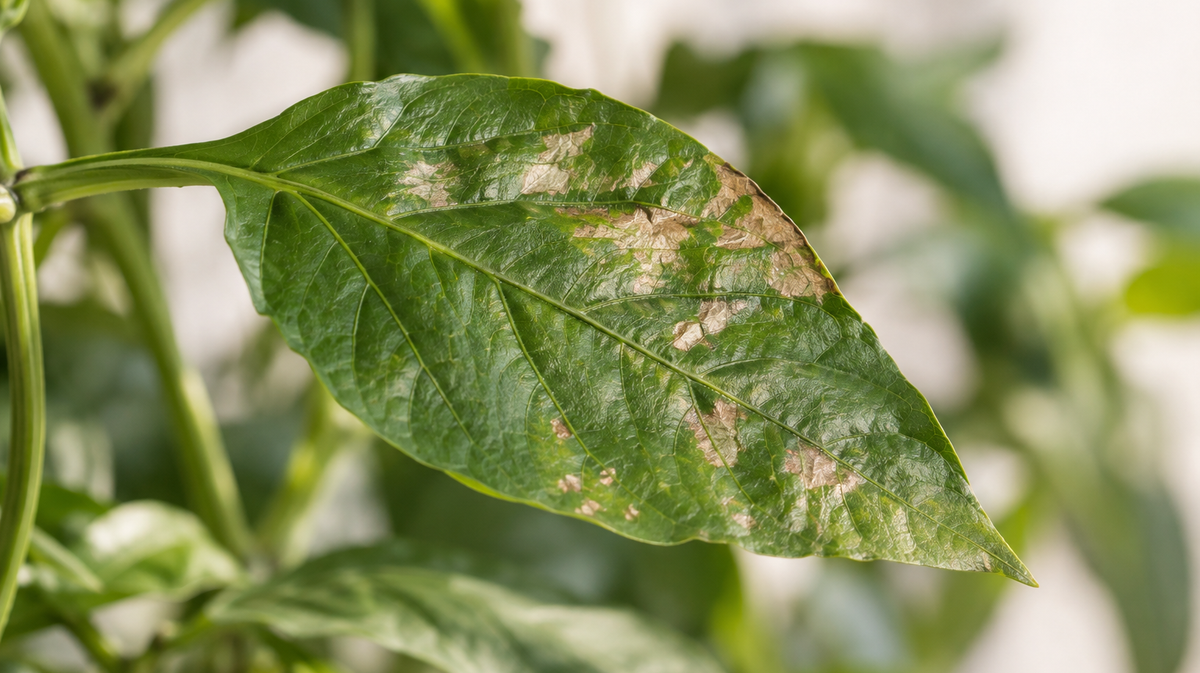
When Cucumeris Is Not Keeping Up
A connected troubleshooting path from live thrips counts to coverage, conditions, prey stages, and a better repeat-treatment plan.
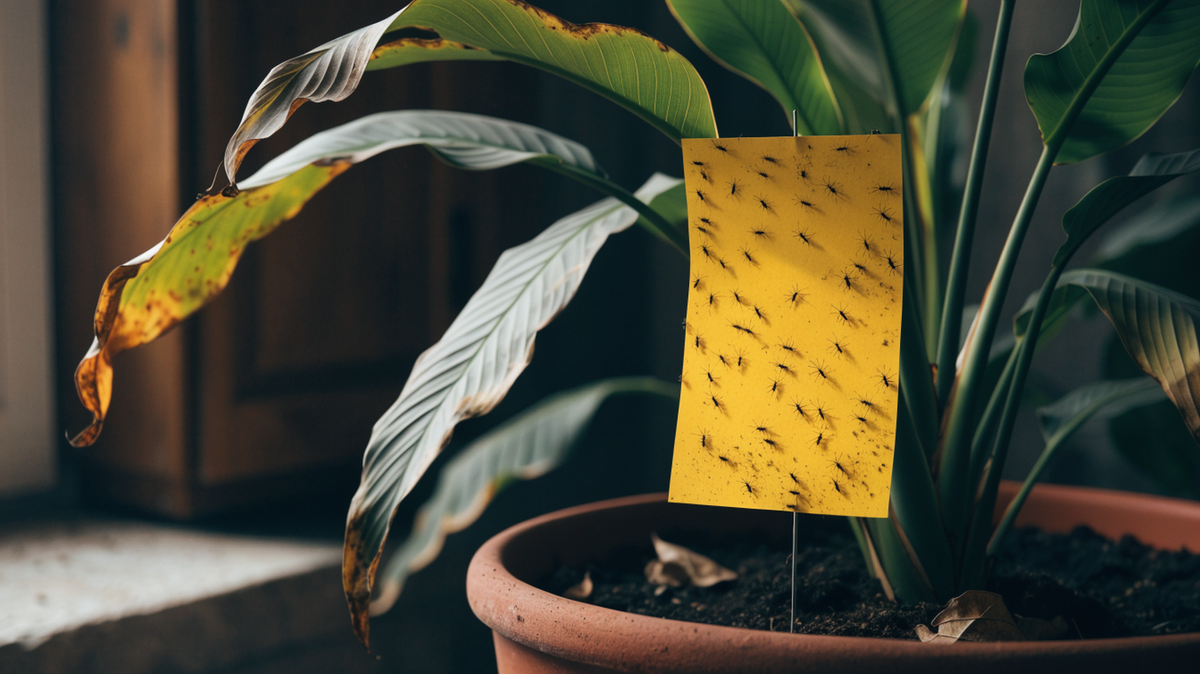
Your Stratiolaelaps Didn't Fail. Something Else Did.
Almost every "the mites didn't work" story traces back to one of nine causes, and most of them were decided before the bottle was opened. Here's each failure mode, the mechanism behind it, and the fingerprint that tells them apart.

Cucumeris Has a Small Target
What cucumeris does in a thrips program, why adults can remain after release, and where treatment and prevention fit.
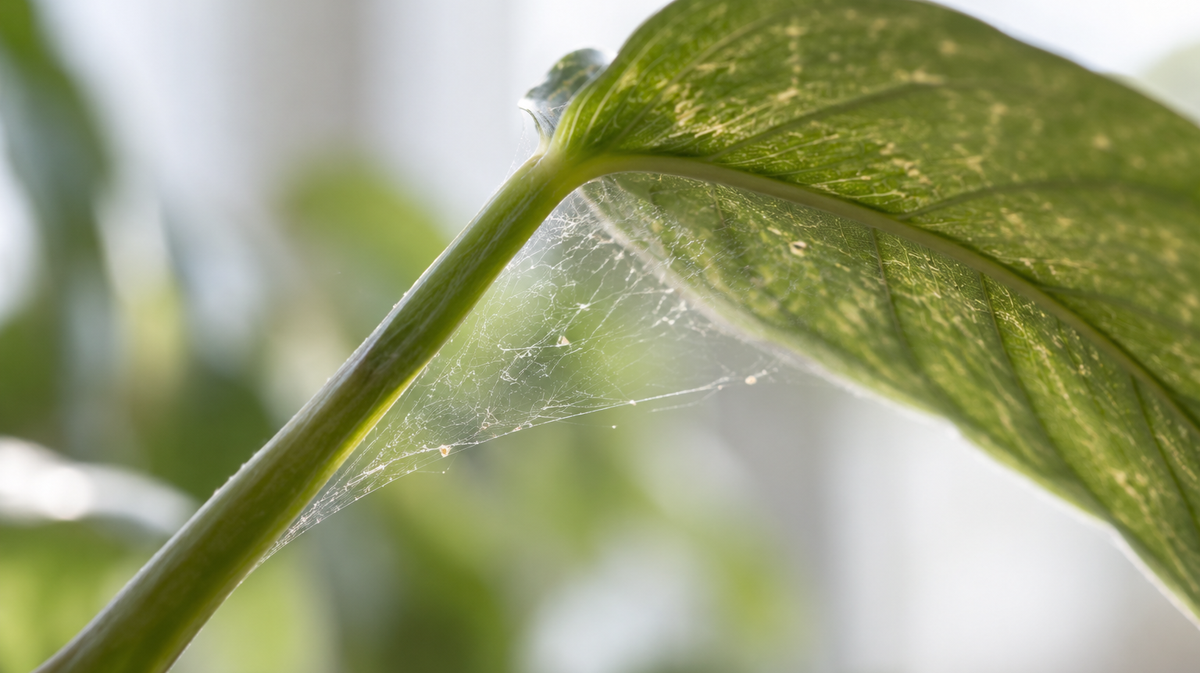
My Plant Has Webbing. Help.
Webbing on a plant isn't always spider mites — and the mite that causes the most damage indoors doesn't produce webbing at all. Here's how to tell what you're actually looking at before you treat.

Your Grow Light Isn't Killing Your Predatory Mites. Your Humidity Might Be.
UV gets all the attention, but it's rarely the problem under standard LEDs. The variables that actually determine whether predatory mites thrive in a lit grow space are humidity, heat, and photoperiod — and all three are fixable once you know what to look for.
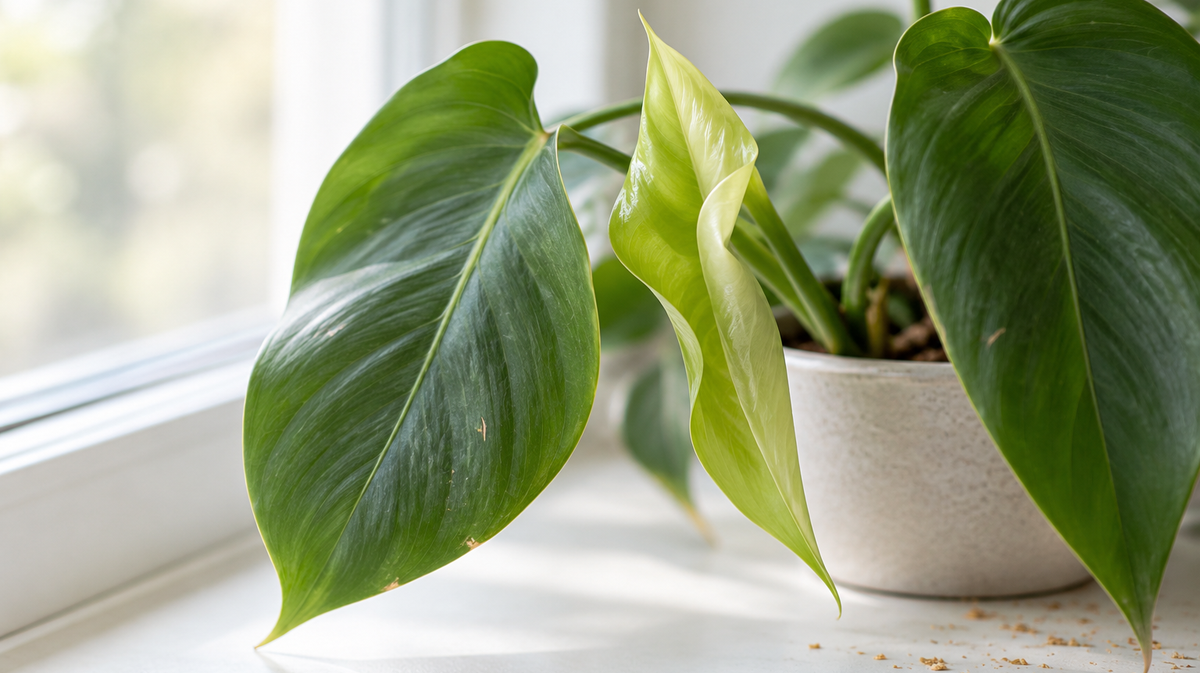
Your Beneficials Started the Moment You Released Them. You Just Can't Tell Yet.
You released the predatory mites three days ago and the spider mites are still there. The nematodes went in a week ago and the fungus gnats are still flying. This is the moment most growers reach for a spray — and it's usually the wrong move, because the beneficials have already started. Here's what's actually happening after a release, and how to read the signs that it's working.
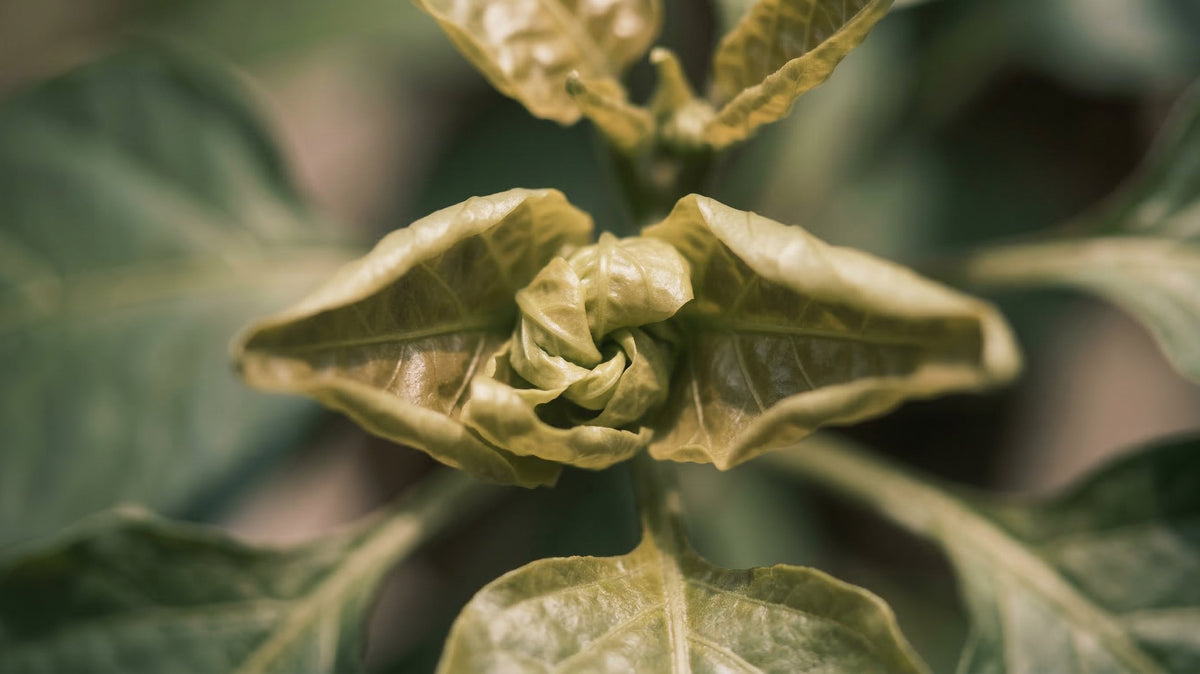
No Webbing. No Warning. No Fun.
Broad mites are microscopic pest mites that cause twisted, bronzed new growth on peppers, cannabis, hoyas, and dozens of other plants — and they're almost always misdiagnosed first. No webbing, no visible culprit, just a plant that keeps getting worse while you adjust the pH. Here's what they actually are, how to identify the damage, and how to get rid of them for good.
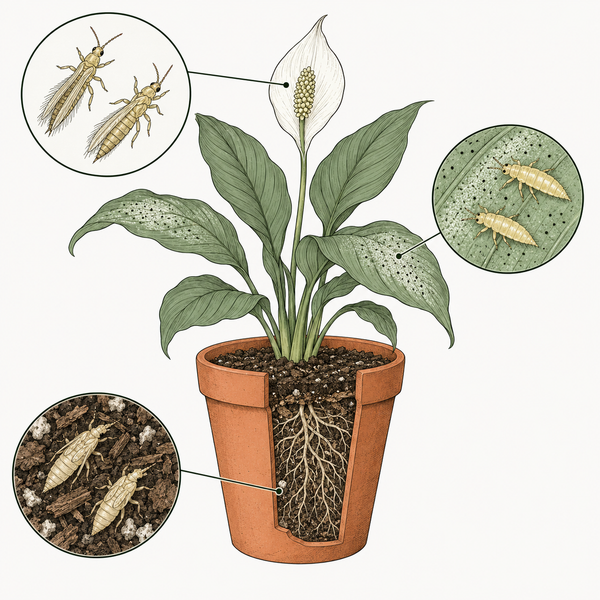
How to Treat Thrips (And Why It's Harder Than Everyone Says)
Thrips are one of the most frustrating pests in cultivation — not because they're invincible, but because most treatments target the wrong life stage at the wrong time. Here's the biology, the honest failure analysis, and what a complete program actually looks like.