


Field Notes
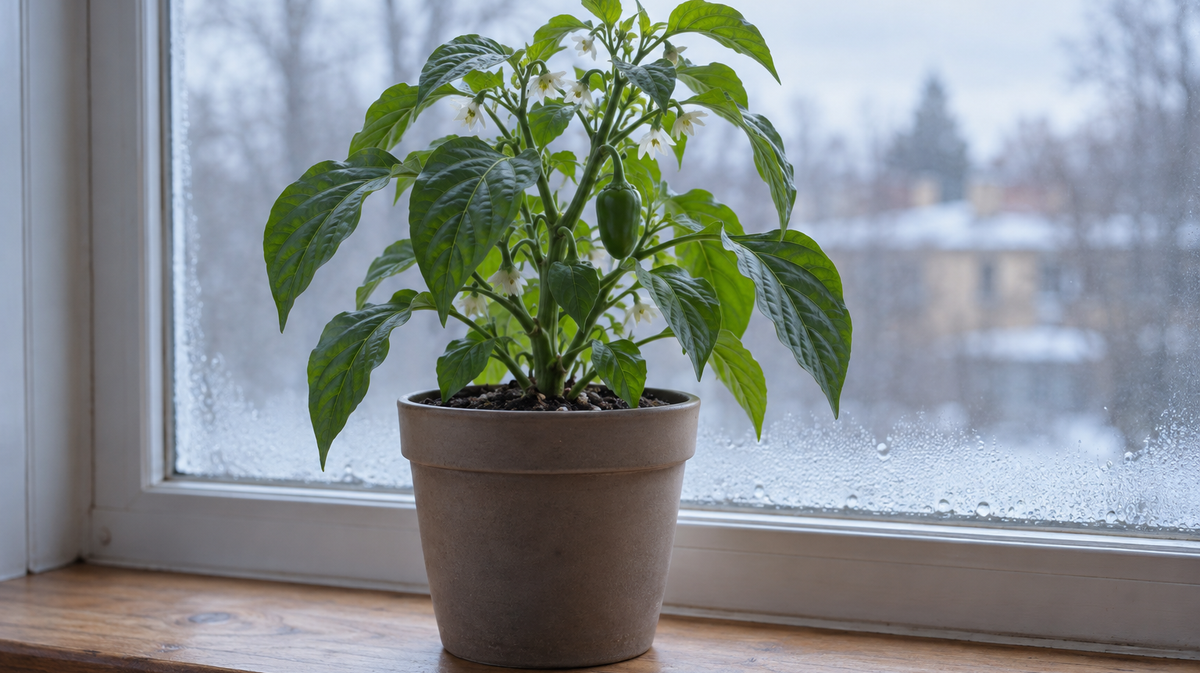
Swirskii Wants the Warm Room
Why a living swirskii mite is not the same as a growing colony, and how to interpret cool conditions around your plants.
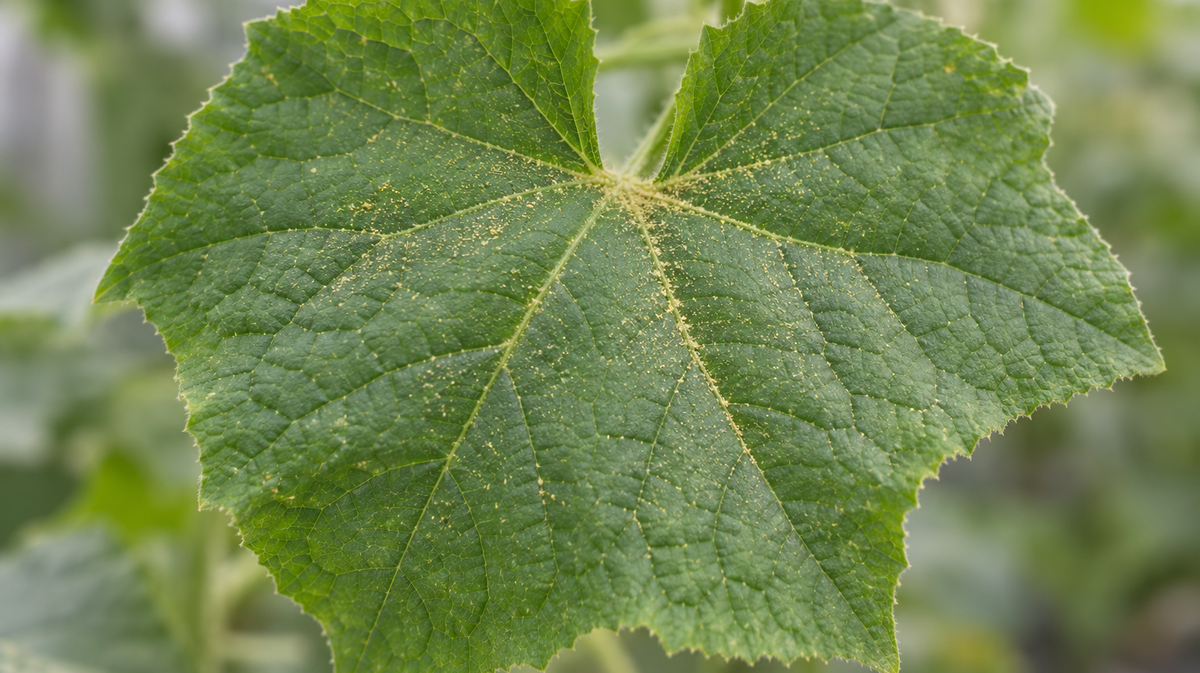
Pollen Feeds More Than Your Mites
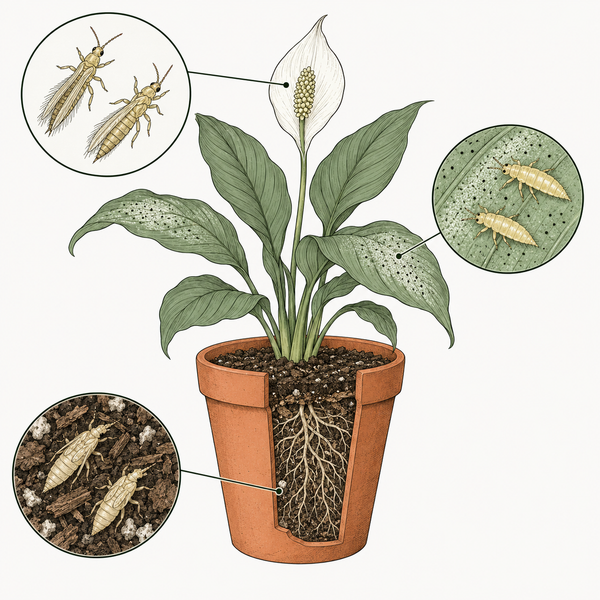
A pollen-fed Amblyseius swirskii kills 34–60% fewer pests than a hungry one. Whitefly control improved anyway, because there were five times as many mites. That trade decides one thing for you immediately: if your pest is thrips, pollen is the wrong food, because thrips eat it too.
Swirskii Does Better With a Head Start
In a zucchini greenhouse, swirskii alone finished the season at 12.27 whiteflies per leaf against 41.97 for twice-weekly conventional spraying. The same trial measured virus, and there the spray programme was the one that lost less — so a density reduction and a disease reduction are two different purchases, and the bottle only buys the first.
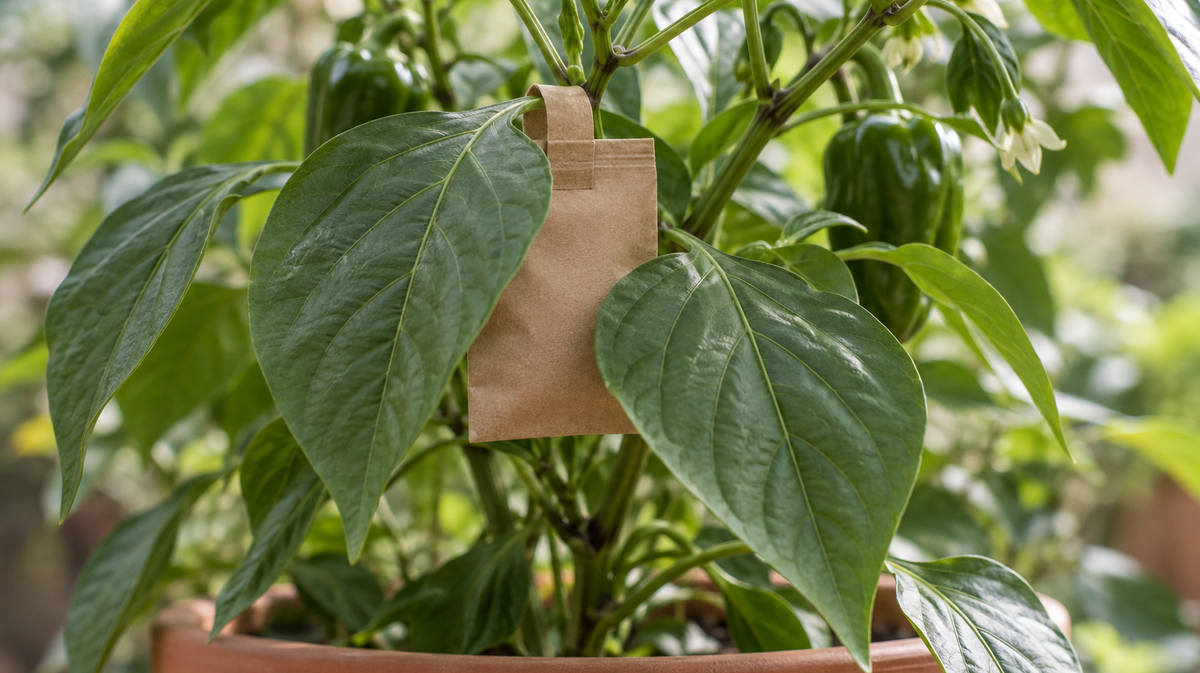
Is Your Swirskii Sachet Working
How to distinguish a living sachet colony from useful delivery onto plants, and what to observe without opening the packet.
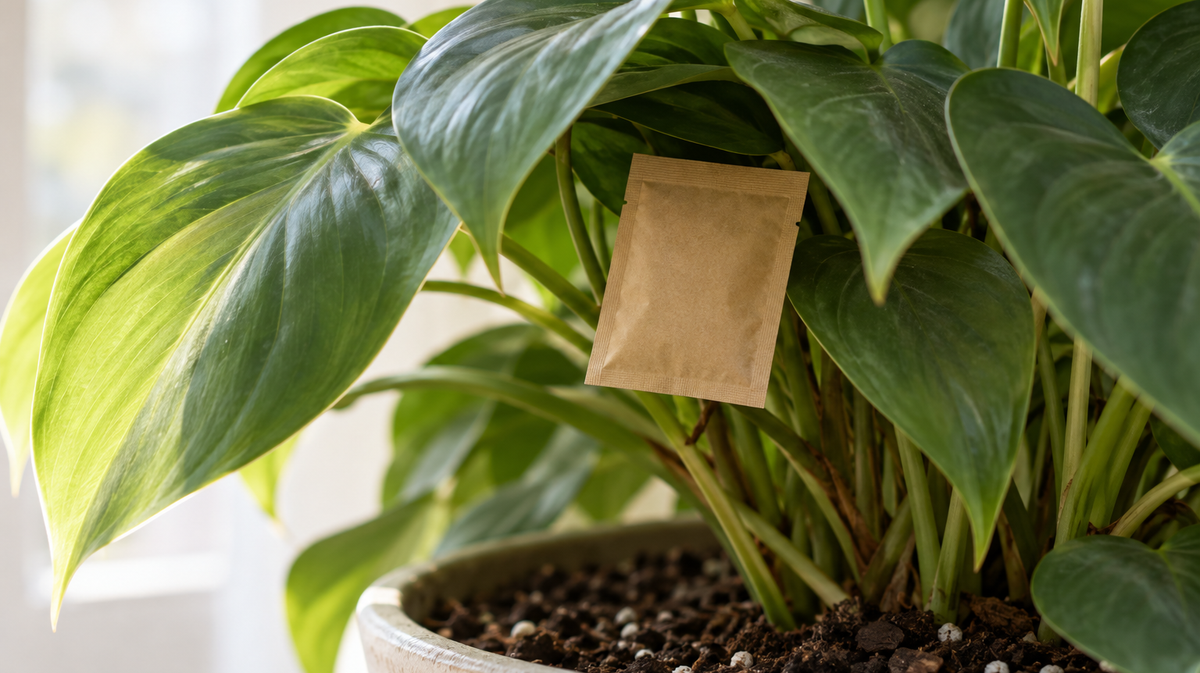
Swirskii Needs More Than a Warm Room
How warmth, drying air, and sachet placement interact, and why to measure the environment near the foliage.
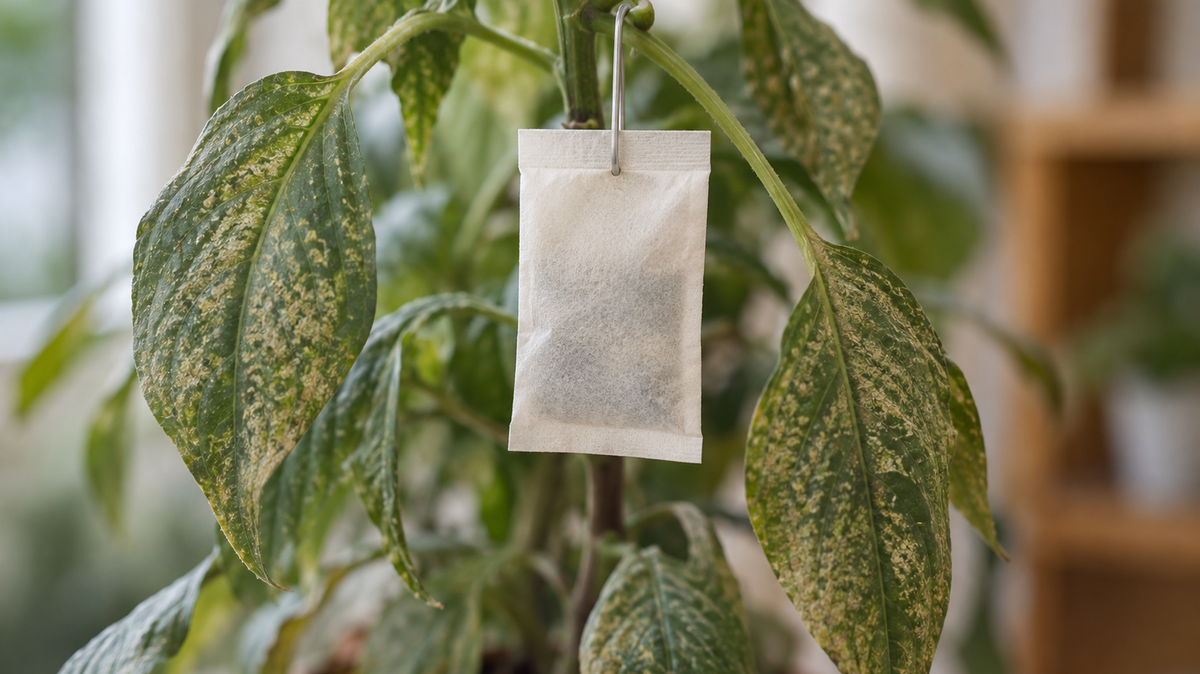
When Swirskii Is Not Keeping Up
Trace an unsuccessful swirskii release from pest trends through delivery, conditions, and treatment coverage before repeating it.
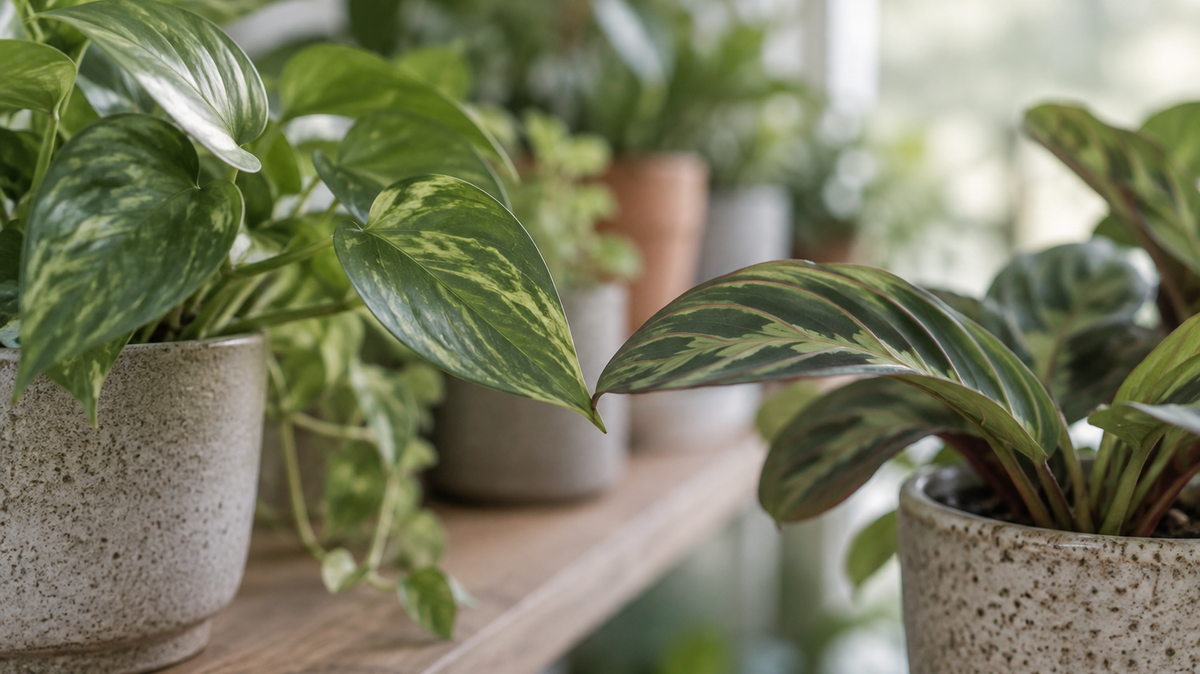
Swirskii Per Plant Or Per Square Foot?
Every commercial rate for this animal is written per unit of area, because a greenhouse bench is one continuous canopy. Convert that onto a shelf of separate pots and the arithmetic gives you a comfortable number while most of your plants get nothing.
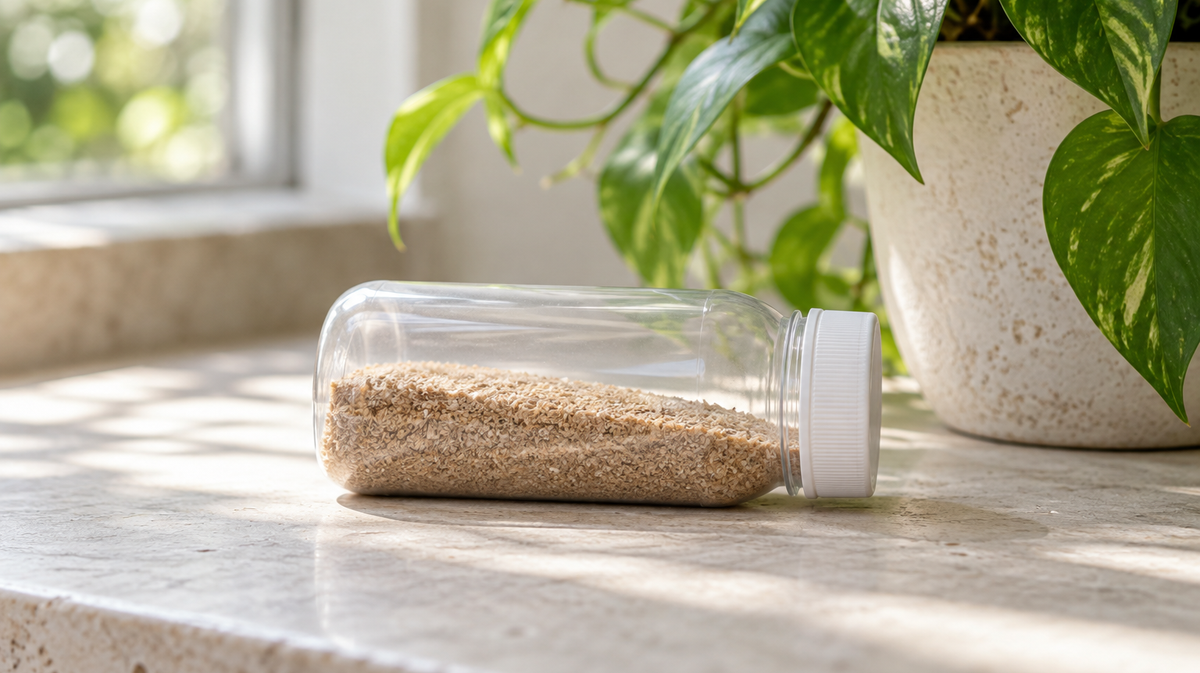
Roll Your Swirskii Bottle Before You Open It
The bottle needs rolling before you open it, because the mites settle in transit and the top third is mostly bran. That one step is the difference between dosing your first plant properly and dosing it with sawdust.
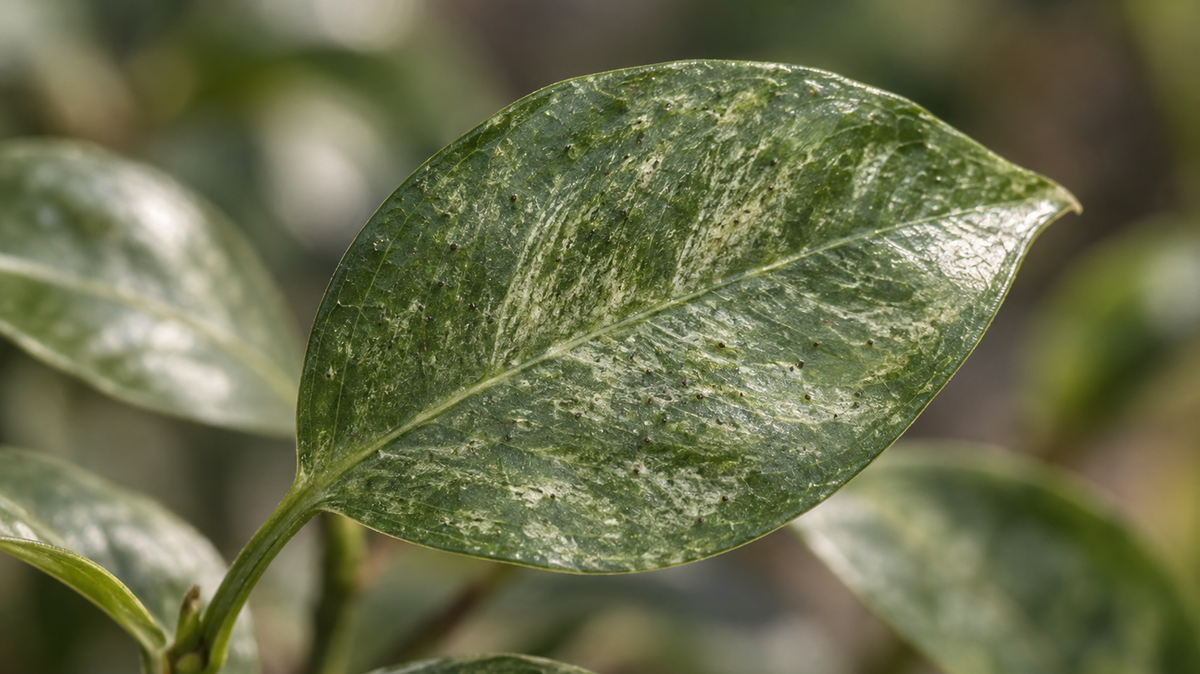
Swirskii Needs the Right Job
Choose swirskii by the pest stage, plant, growing environment, and treatment goal—not the prey list alone.
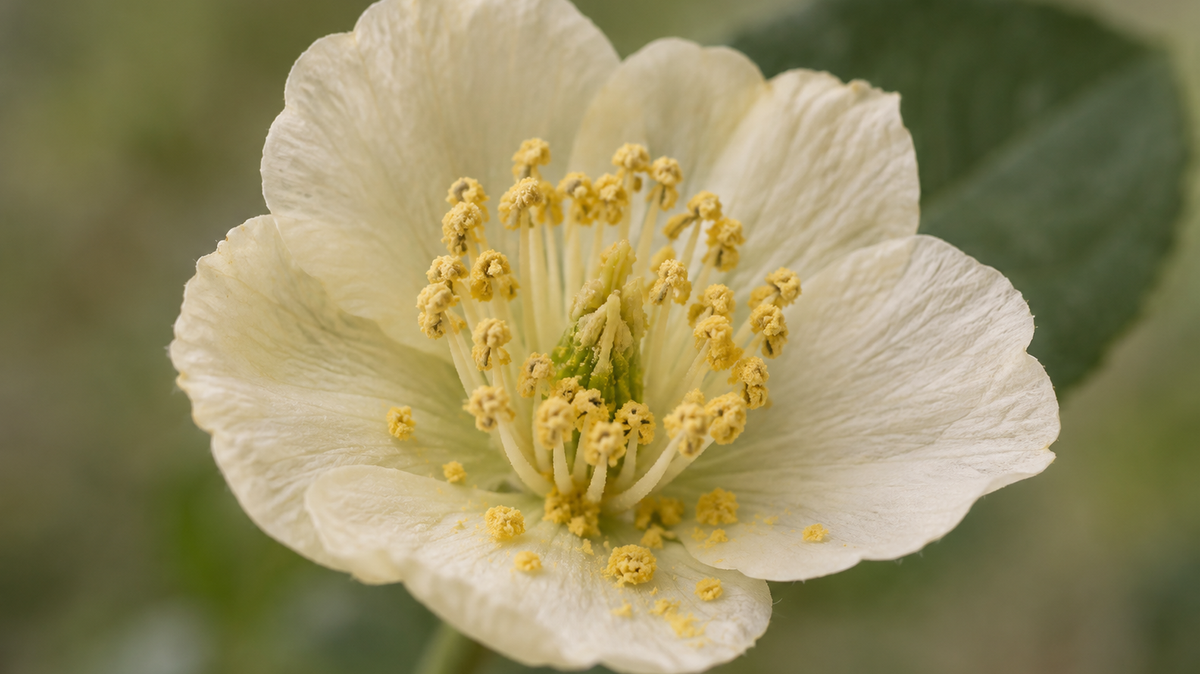
Swirskii Eats More Than Pests
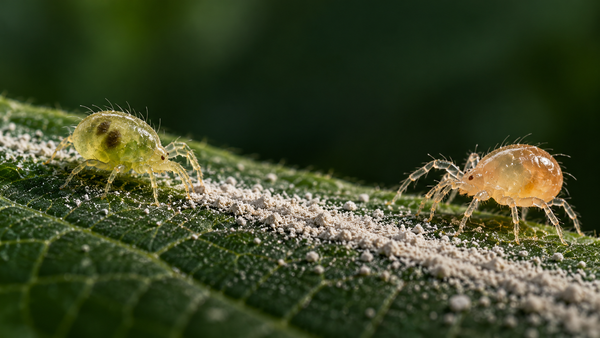
It is about half a millimeter long, and it eats pollen as happily as it eats pests. That second fact is the whole reason anyone buys it — a predator that can feed itself on a clean plant is already there when the thrips arrive.
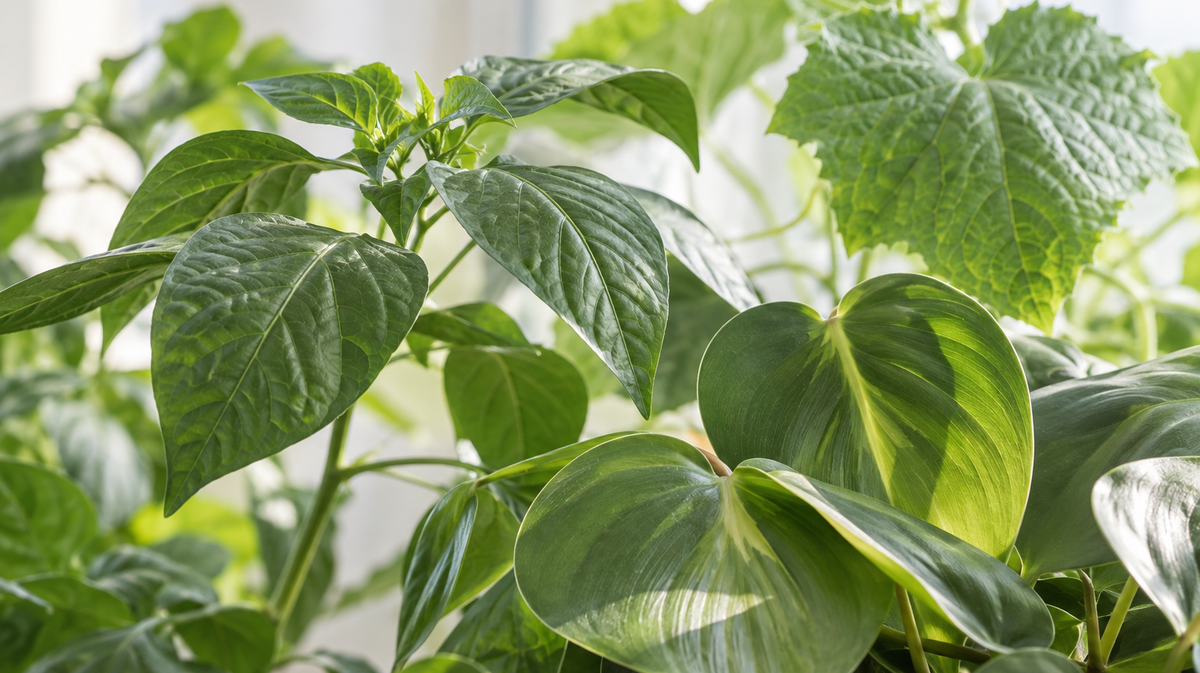
Four Mites Apply for the Thrips Job
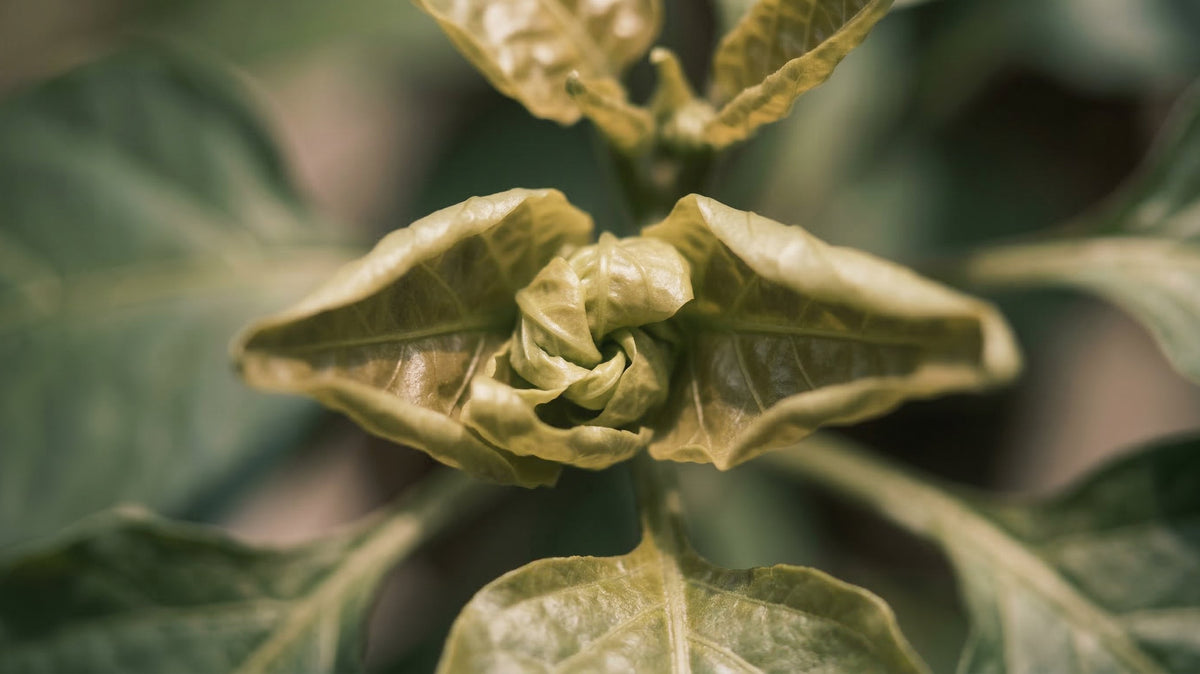
No Webbing. No Warning. No Fun.
Broad mites are microscopic pest mites that cause twisted, bronzed new growth on peppers, cannabis, hoyas, and dozens of other plants — and they're almost always misdiagnosed first. No webbing, no visible culprit, just a plant that keeps getting worse while you adjust the pH. Here's what they actually are, how to identify the damage, and how to get rid of them for good.