


Field Notes
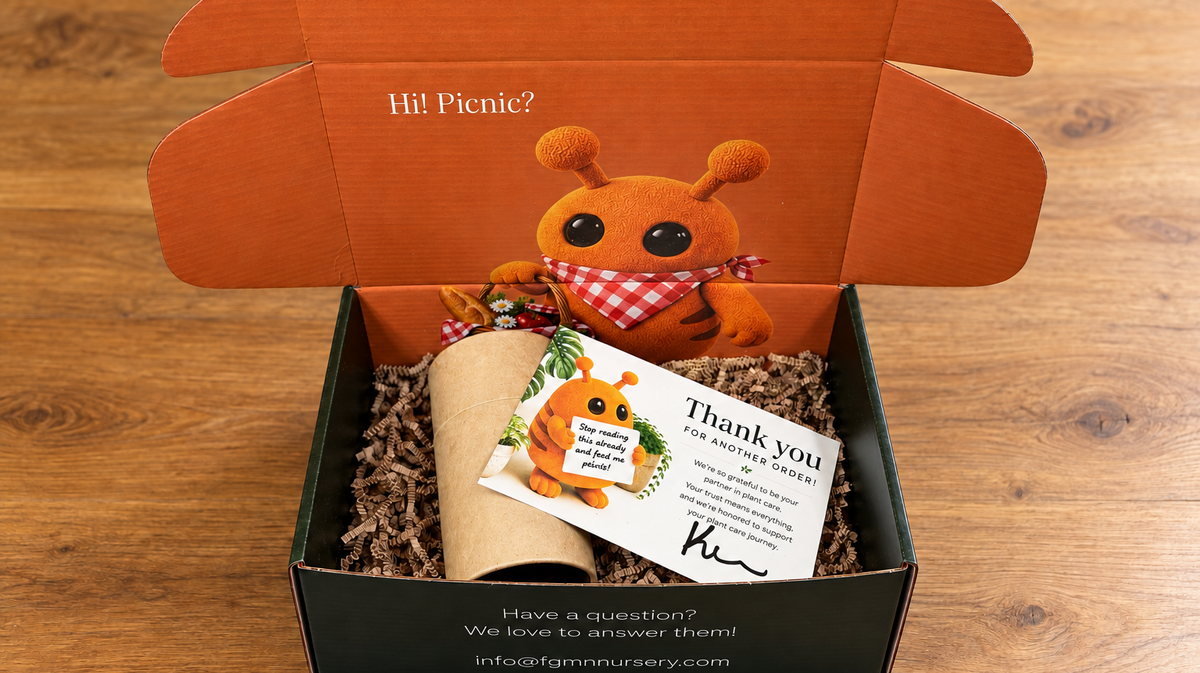
Your Mites Have Survived Worse Than UPS
Will predatory mites survive shipping? Yes. Why the ice pack arrives warm, what the food mites are, how long mites live, and what we do when the weather turns.
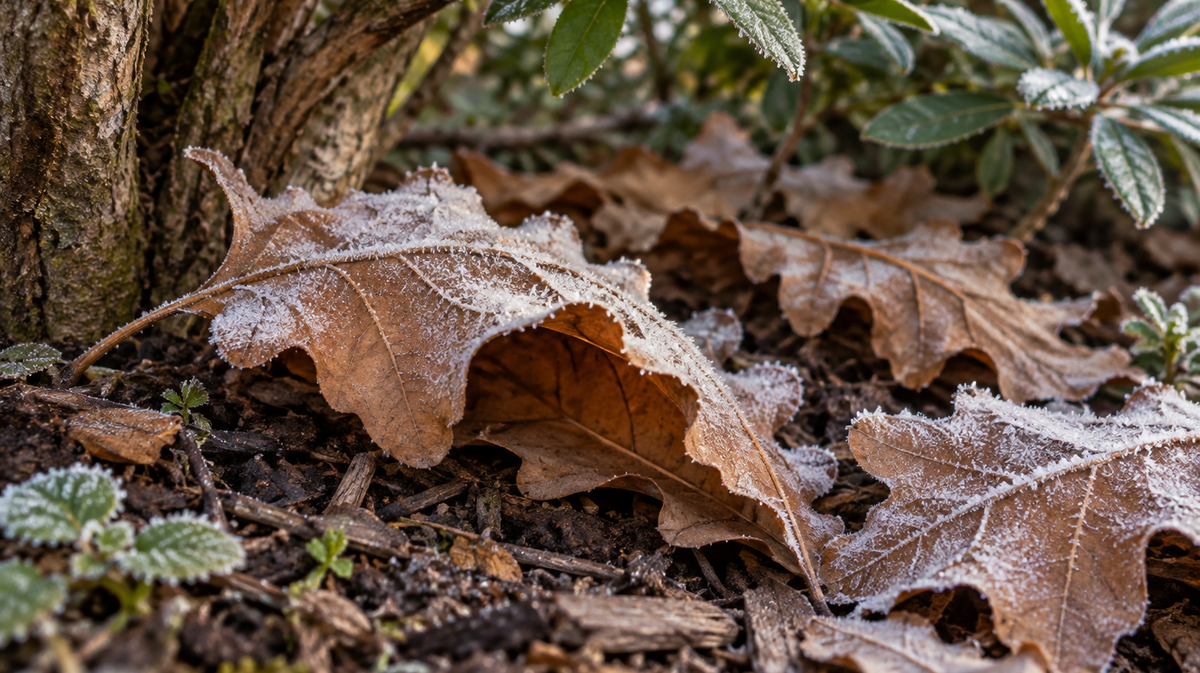
Where Beneficials Spend the Winter
Learn how beneficials overwinter, when outdoor releases make sense, and how to preserve shelter and plan for spring pest activity.
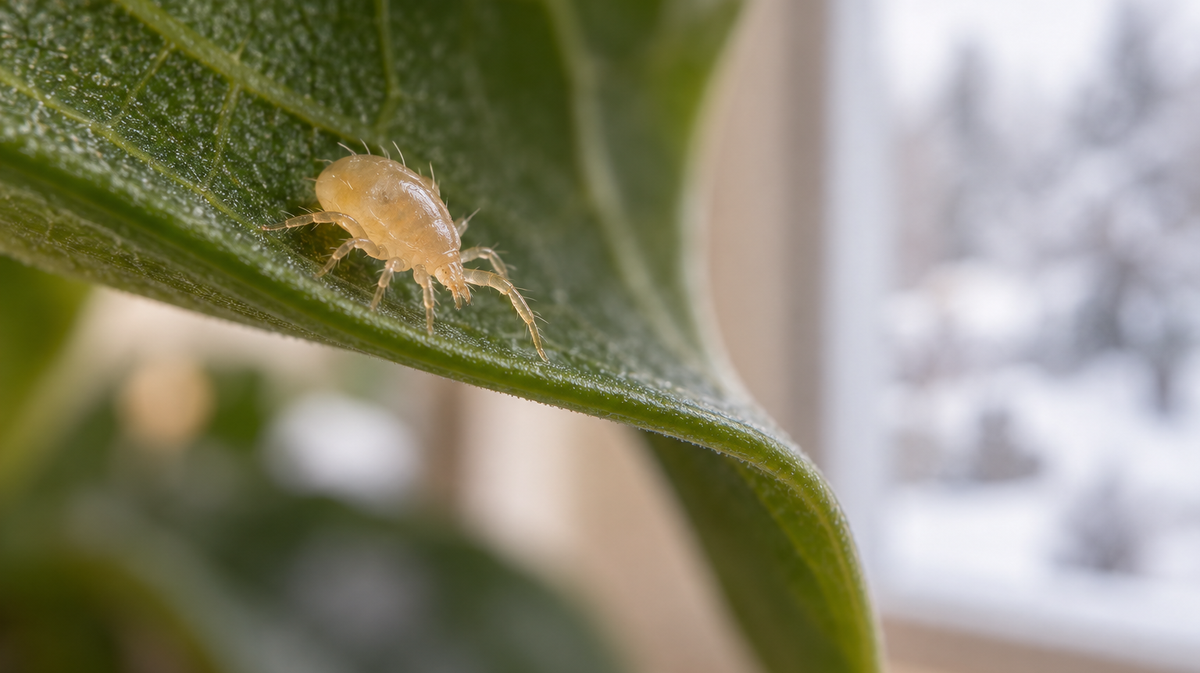
Your Indoor Beneficials Have Winter Requests
How winter changes humidity, reproduction, sachet care, and repeat releases for indoor beneficials, plus the science of cold-weather shipping.
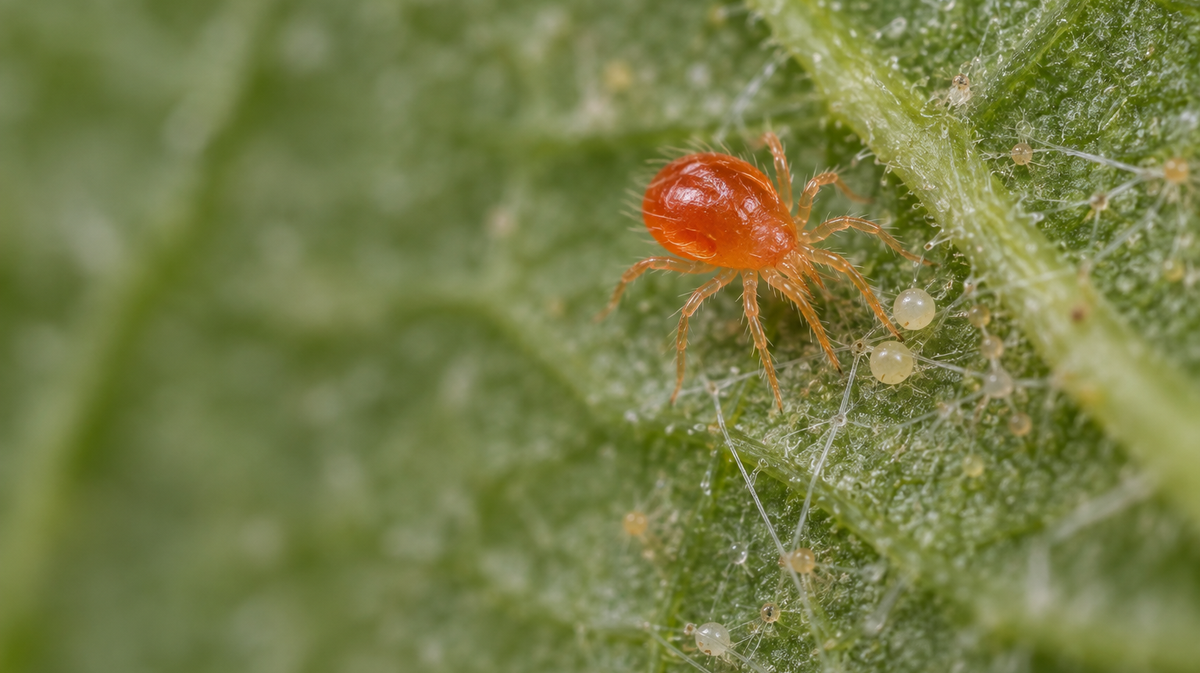
Persimilis Knows the Neighbors
Learn how Persimilis recognizes familiar mites, how early encounters affect cannibalism, and why a female’s egg placement can matter.
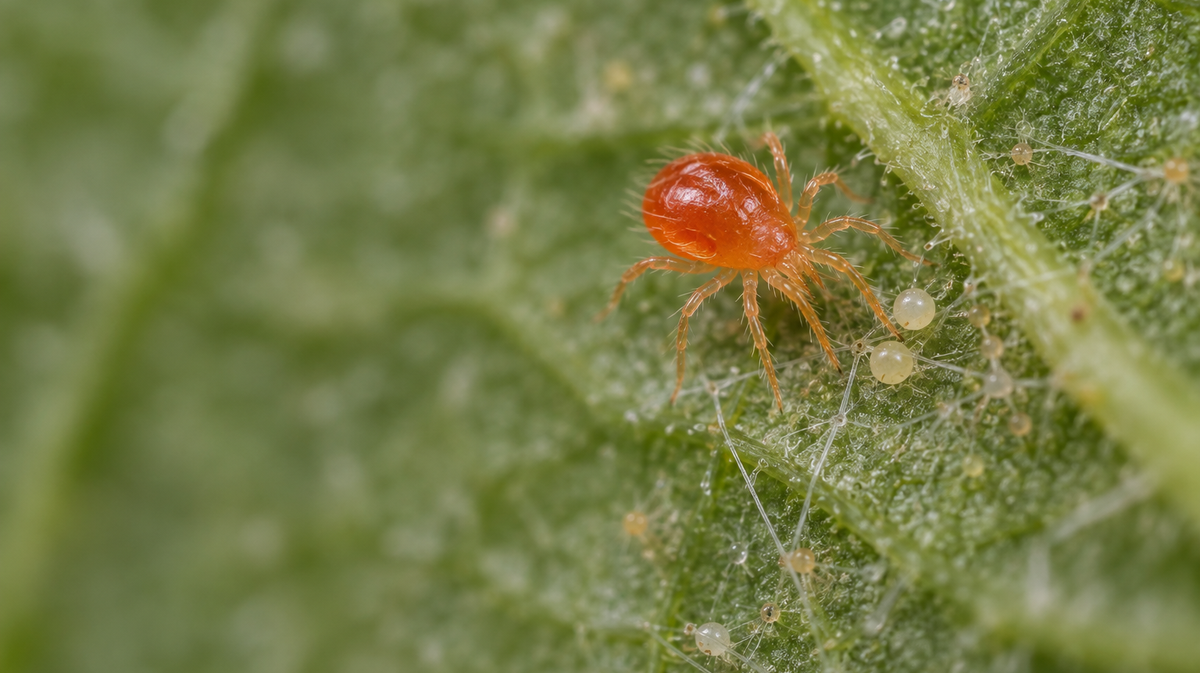
Persimilis Learns on the Job
Discover how Phytoseiulus persimilis uses plant odors, learns associations with food, and responds to spider-mite webbing while hunting.
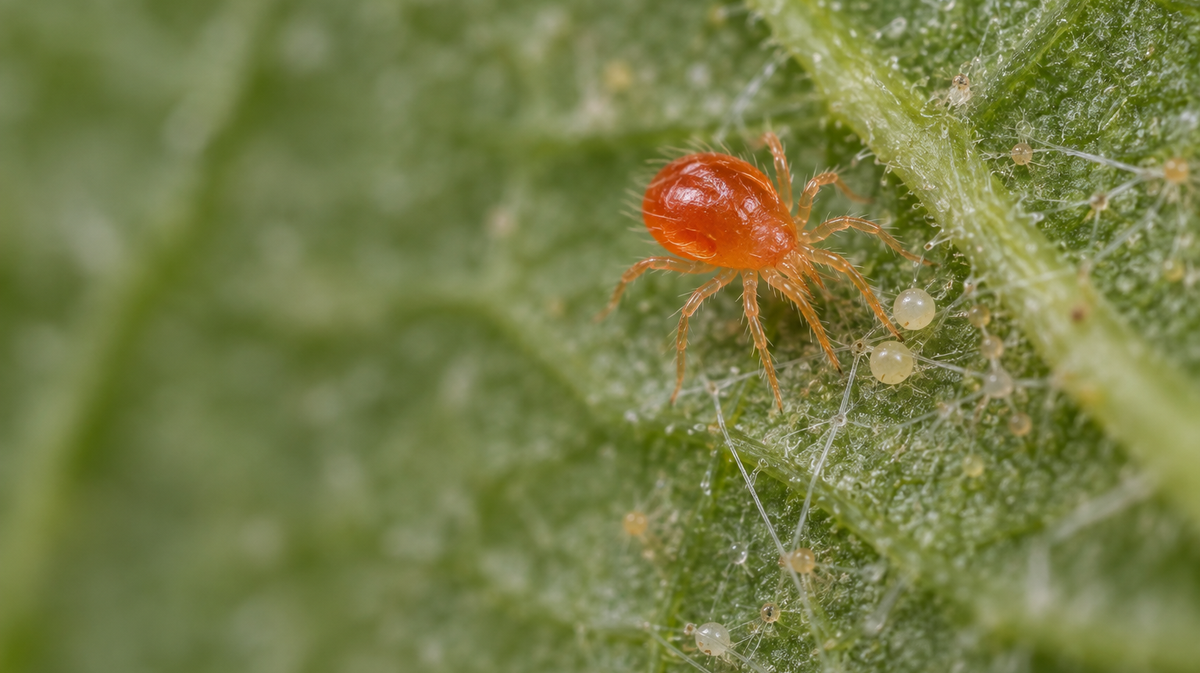
Persimilis Has a Type
Explore Persimilis origins, appearance, diet, and life cycle, plus the learning and social behavior behind this familiar spider-mite predator.
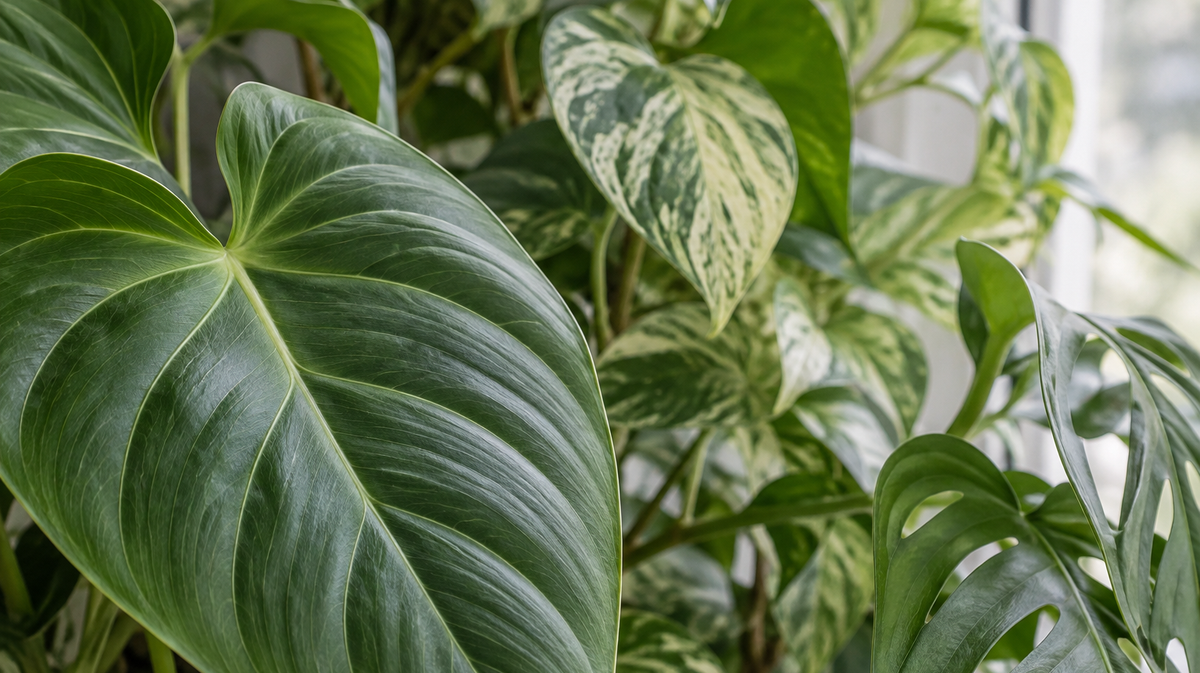
Andersoni and the Room It Lives In
Why a living predator, a growing predator population, and a shrinking infestation are different observations—and how temperature, humidity, food, and residues help explain them.
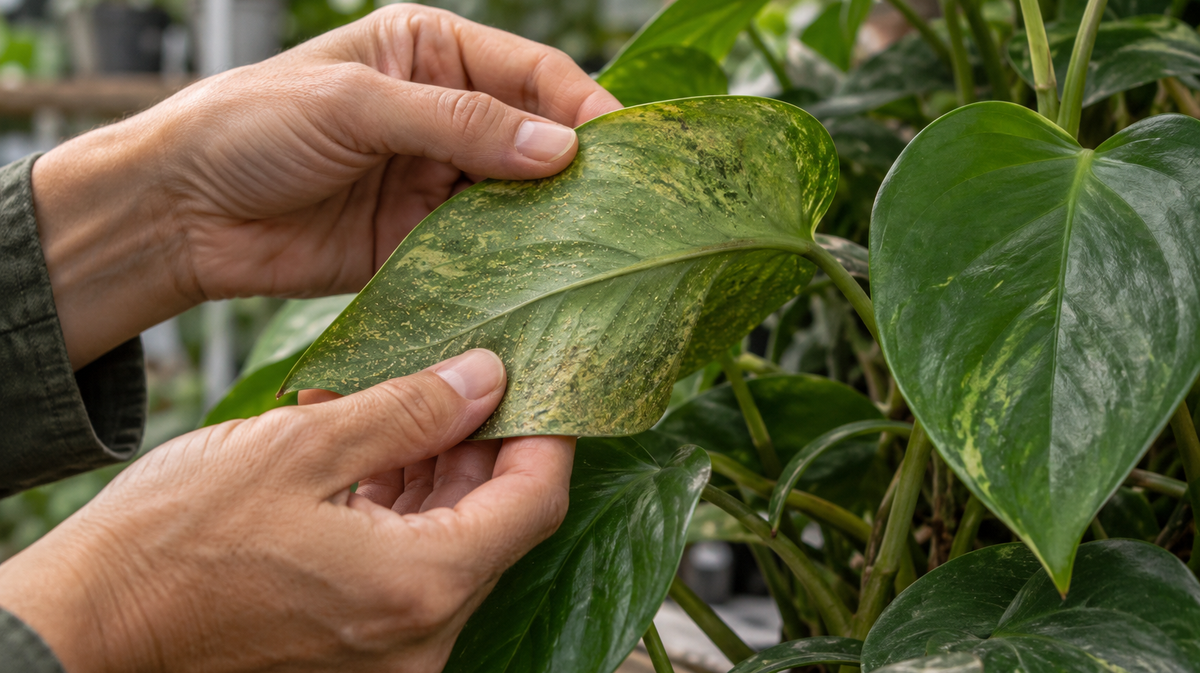
Is Andersoni Working?
Use a loupe, distinguish old leaf damage from new feeding, and compare repeat observations to judge progress.
Andersoni Has Ground to Cover
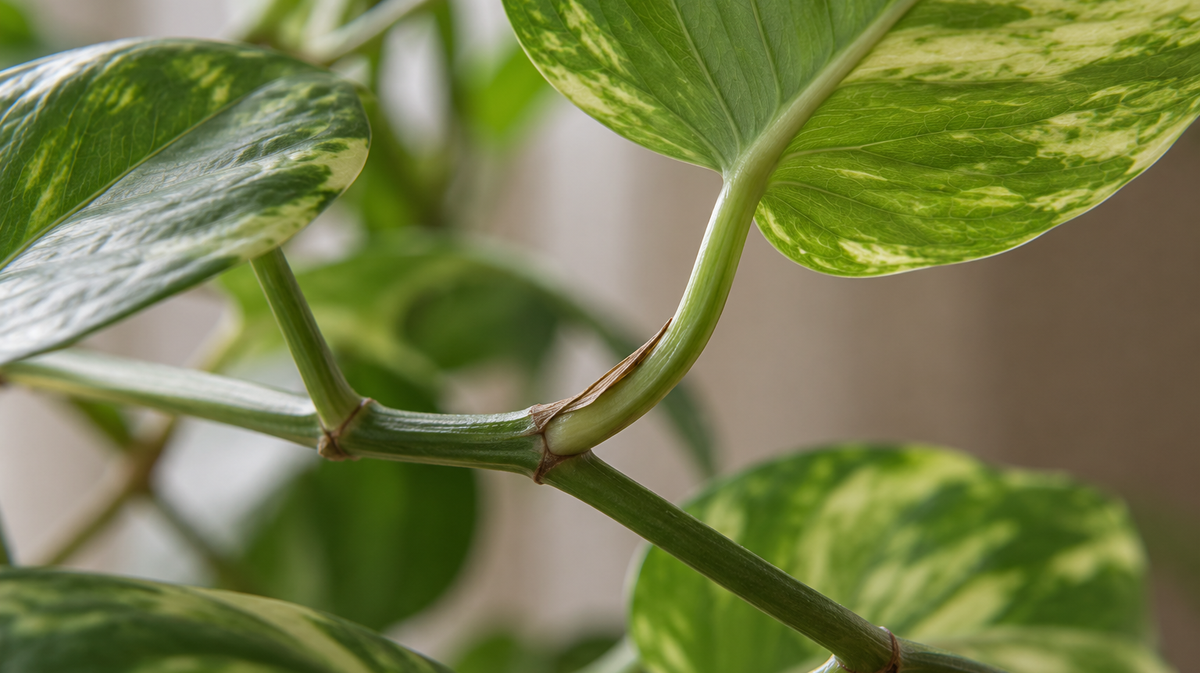
Follow Andersoni through a plant to understand hunting cues, walking routes, release placement, and why a mite may move on.
Andersoni Has Other Dinner Plans
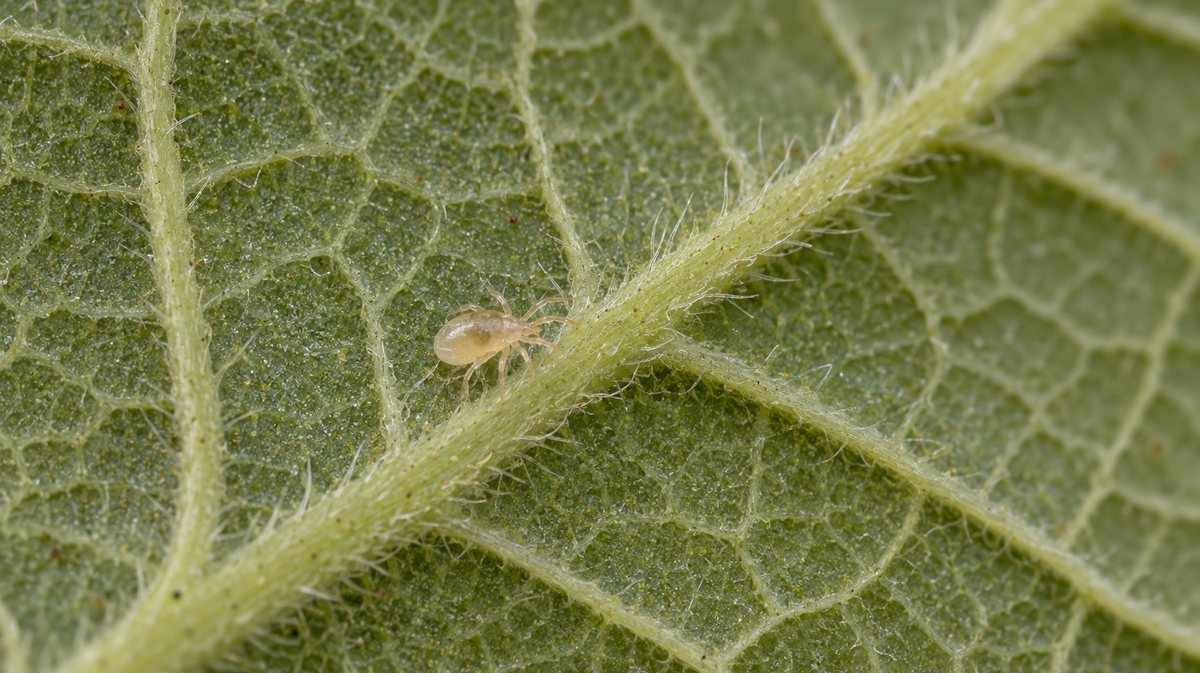
What makes Andersoni different from other predatory mites, how its life unfolds beneath a leaf, and why a broad diet only helps when the food is there.
Californicus Is Tough, Not Indestructible
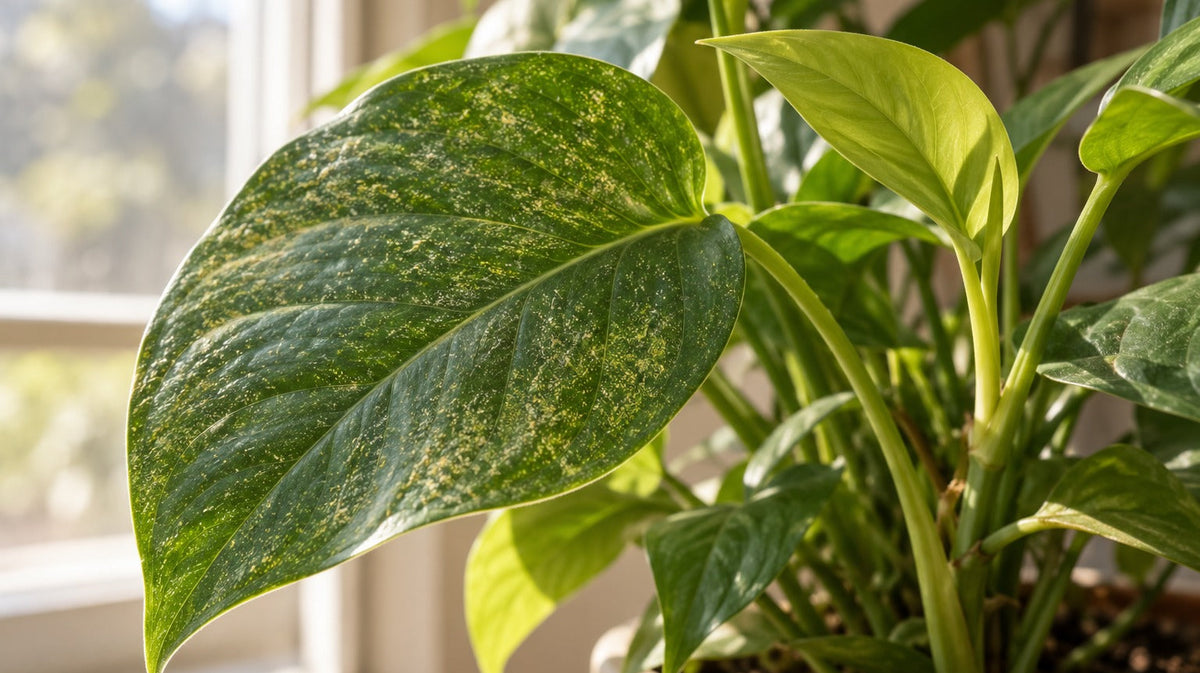
Troubleshoot returning spider mites by checking live pests, release coverage, heat, humidity, spray history, and gaps between prevention sachets.
Is Californicus Working?
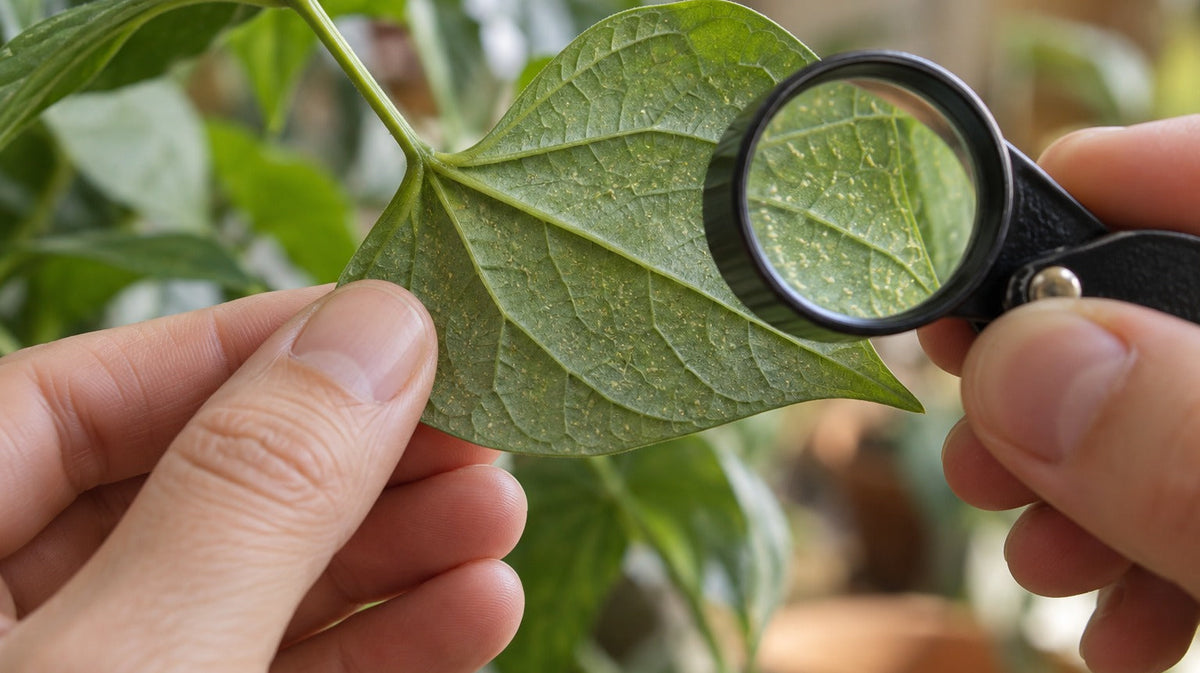
Judge Californicus by live spider mites, spreading damage, and new growth—not by whether old leaves heal or every predator stays visible.