

Predatory Mites Outdoors

Predatory Mites Outdoors

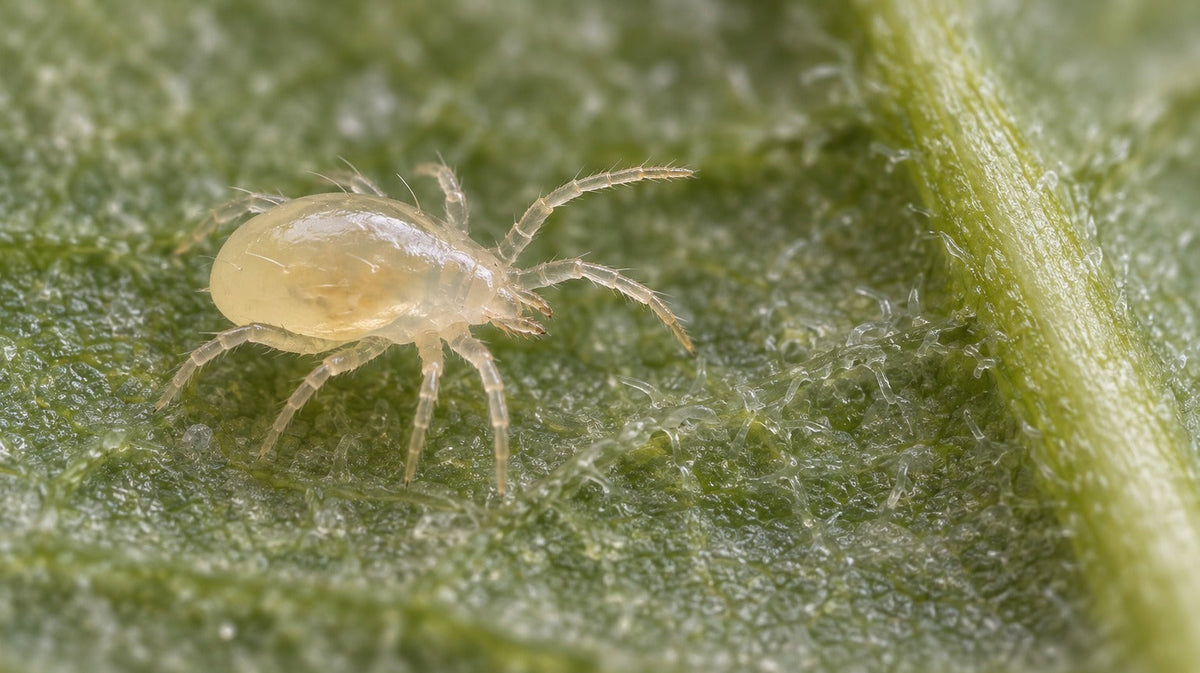
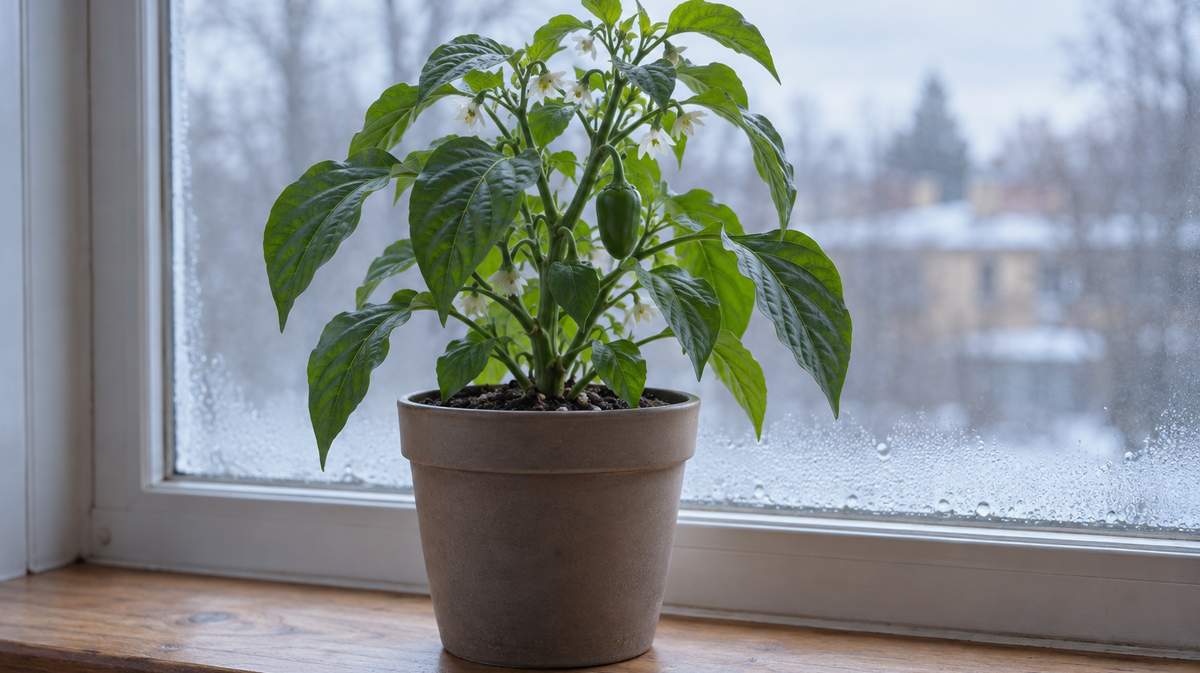
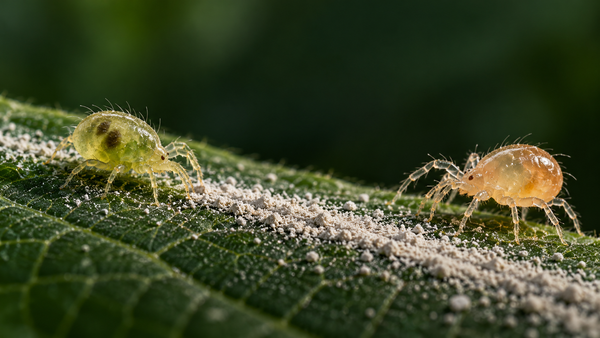
Predatory mites have been managing pest populations in orchards and gardens for decades — the outdoor track record is solid. The approach is just different than indoor. Here's which species handle real outdoor conditions, when to release for the season, and why suppression is the goal that actually keeps your plants healthy.

Read more
Are You Trying to Eradicate Your Pests — or Live With Them Strategically?

Are You Trying to Eradicate Your Pests — or Live With Them Strategically?

Most growers release predatory mites with a vague goal of "getting rid of the pests." But eradication and ongoing protection are different strategies, requiring different species, different formats, and different expectations. One is a campaign with an end. The other is a programme that runs alongside your plants. Here's how to know which one you're actually running — and how to make it work.

Read more
Your Beneficials Started the Moment You Released Them. You Just Can't Tell Yet.

Your Beneficials Started the Moment You Released Them. You Just Can't Tell Yet.

You released the predatory mites three days ago and the spider mites are still there. The nematodes went in a week ago and the fungus gnats are still flying. This is the moment most growers reach for a spray — and it's usually the wrong move, because the beneficials have already started. Here's what's actually happening after a release, and how to read the signs that it's working.

Read more
Whitefly Treatment That Doesn't Wear Off

Whitefly Treatment That Doesn't Wear Off

Spraying whiteflies knocks back the adults you can see. It doesn't touch the eggs. The eggs hatch, the nymphs are harder to kill, and three weeks later you're back where you started — except the population is slightly more resistant. Here's how predatory mites and Orius break that cycle by targeting the stages your spray misses.

Read more
One Eats Aphids. One Eats Mites. Carry On.

One Eats Aphids. One Eats Mites. Carry On.

Karen Horn

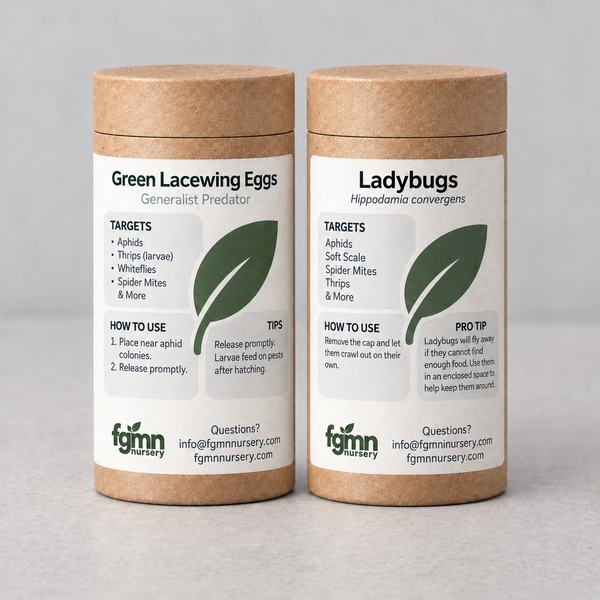
Ladybugs and predatory mites can run in the same space without meaningfully interfering with each other — but they're not doing the same job, and one won't cover for the other. Here's when the combination makes sense and when it's just extra cost.

Read more
Are Predatory Mites Right for You?

Are Predatory Mites Right for You?

The honest answer is: it depends. Predatory mites work exceptionally well under the right conditions — and fail predictably under the wrong ones. Here's how to know which situation you're in before you spend anything.

Read more
They Eat Pests for a Living. You're Welcome.

They Eat Pests for a Living. You're Welcome.

Predatory mites are the biological control solution to spider mites, thrips, broad mites, fungus gnats, and more — and they don't harm plants, people, or pets. If someone has suggested you add more mites to fix your mite problem, this is the article that explains why that's actually correct.

Read more
No Webbing. No Warning. No Fun.

No Webbing. No Warning. No Fun.

Karen Horn

Broad mites are microscopic pest mites that cause twisted, bronzed new growth on peppers, cannabis, hoyas, and dozens of other plants — and they're almost always misdiagnosed first. No webbing, no visible culprit, just a plant that keeps getting worse while you adjust the pH. Here's what they actually are, how to identify the damage, and how to get rid of them for good.

Read more
Limonicus: Late to Market, Early to Hunt

Limonicus: Late to Market, Early to Hunt

Karen Horn

Most predatory mites do one thing well. Limonicus hunts thrips, whitefly, and spider mites — and survives on pollen when there's nothing left to kill. Meet biocontrol's most versatile generalist.

Read more
How to Treat Thrips (And Why It's Harder Than Everyone Says)

How to Treat Thrips (And Why It's Harder Than Everyone Says)

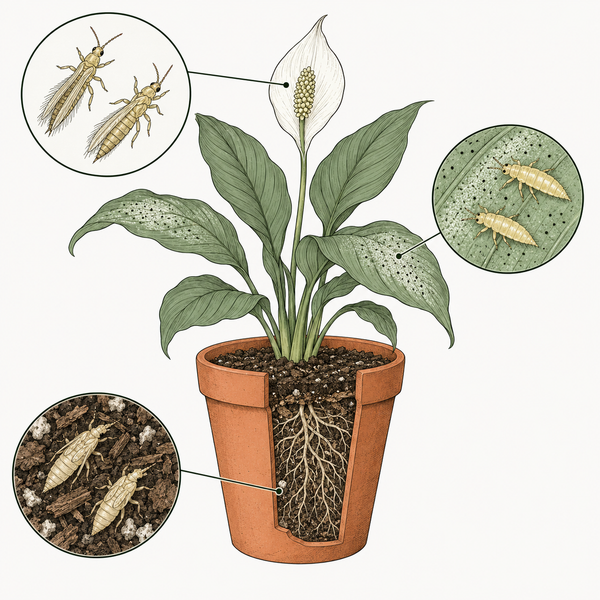
Thrips are one of the most frustrating pests in cultivation — not because they're invincible, but because most treatments target the wrong life stage at the wrong time. Here's the biology, the honest failure analysis, and what a complete program actually looks like.

Read more
Predatory mite hiding behind a leaf in dense Aroid foliage showing why beneficial mites seem to disappear after release

Where Did My Predatory Mites Go?

Karen Horn

Released predatory mites but can’t see them anymore? Don’t panic. Their invisibility is exactly what makes them effective. Learn why they vanish, how they hunt pests out of sight, and why reapplying keeps your plants protected.

Read more
Orius insidiosus perched on a green leaf, preparing to strike a nearby thrips. The Orius is shown in detailed black and tan coloration with prominent antennae, surrounded by subtly damaged foliage. Clean white background, editorial composition.

Thrips Don’t Stand a Chance (If You Start Here)

Karen Horn

Thrips are tiny, annoying, and almost impressively destructive. This article takes a closer look at Orius insidiosus—the predator that hunts adult thrips—and explains how to use it as part of a long-term control strategy.

Read more