


Explorer Slime Mold Kit
Build it a maze.
It will embarrass you.
Two live slime mold samples and the tools to grow them in a dish instead of a cup.
For science projects, homeschool tables and anyone who wants to build it a maze.
Other finds
-
-
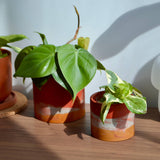
Rust & Orange Watercolor PlanterHandmade by Linda. Your plant stays in its nursery pot and slips inside.From $20
-
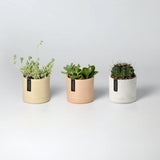
3.5" Earth Tone Mini PlanterA little pot with a hole, plug and saucer, for a 2-inch succulent or a fresh cutting.From $7
-
4" Signature Stone Hanging Planter PotA small stone-look pot that hangs, for the plant that ran out of shelf.From $26
-
-
-
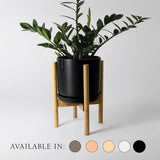
7" & 4" Signature Planters & SaucerTwo matching pots with saucers: one for the plant, one for the cutting you took.From $40
-
-
-
-
-
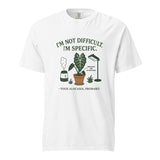
I'm Not Dramatic. I'm Specific. - Heavyweight TeeFull-color Alocasia joke, heavyweight cottonFrom $35
-
-
-
-
-
-
-
-
-
Probably Thinking About Plants - Stainless Steel Tumbler20 oz stainless tumbler with lid and straw$29
-
I Did It All for the Corms – Heavyweight Cotton TeeA 90s nod for corm keepers, heavyweight cottonFrom $35
-
-
-
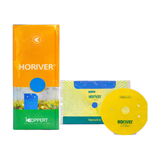
Horiver Professional Sticky TrapsThrips and fungus gnats often show up on a card before a leaf.From $11
-
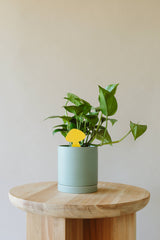
Arber Sticky Traps for Plant PestsYellow stakes that catch winged pests and show you whether it's getting better.$11
-
-
-
-
Arber Organic Soil & Root Boost 4 ozLiving helpers for the root zone, worked into the top of the soil once a month.$17
-
-
Tiny Terracotta Grow KitDaisy or poppy seed in a tiny terracotta pot with a water reservoir.From $15
-
-
-
-
-
Variegated Fire Barrel CactusRed spines tipped in yellow, on a variegated barrel. A free prevention sachet comes with it.$37
-
Variegated String of PearlsGreen-and-cream pearls with a clear window that lets light inside the leaf.$25
-
Variegated Corn Cob CactusStacked cream-and-green stems, like a corn cob that went to art school.$17.50
-
Organic Pink Oyster Mushroom Spray & Grow KitPink, and in a hurry. First harvest in as little as a week.$35
-
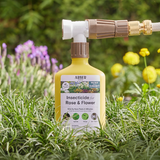
Arber Organic Insecticide for Rose & Flower 16 ozKills surface pests in minutes on rose and flower beds. Clips to the hose.$25
-
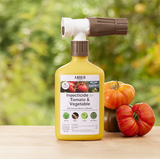
Arber Organic Insecticide for Tomato & Vegetable 16 ozKills surface pests in minutes on vegetable beds. Clips to the hose.$25
-
Arber Organic Bio Fungicide 8 ozControls mildew and leaf spot on pots and beds, indoors or out. Mix in a sprayer.$20
-
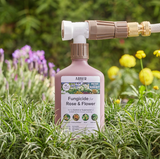
Arber Organic Fungicide for Rose & Flower 16 ozControls black spot and mildew on rose beds. Clips to the hose.$25
-
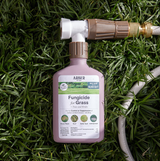
Arber Organic Fungicide for Grass, Trees & Shrubs 16 ozControls brown patch, dollar spot and rust. Clips to the hose.$25
-
Arber Organic Bio Protectant 8 ozPrevention, not a cure: the plant thickens its own defenses. Mix in a sprayer.$20
-
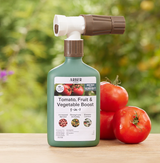
Arber Organic Tomato, Fruit & Vegetable Boost 16 ozStrengthens vegetables' own defenses. Clips to the hose. Not a feed.$25
-
Arber Organic Plant Food 8 ozA gentle 3-2-1 feed, watered in every 10 to 14 days. Made from unsold produce.$20
-
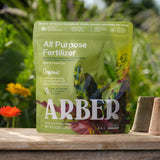
Arber Organic All Purpose Fertilizer 3 lbSlow granular feed of compost and biochar, mixed into the soil once a month.$15
-
Arber Organic Fruit & Veggie Fertilizer 3 lbA 4-3-2 granular feed with calcium, worked into the top few inches of soil.$15
-
Arber Organic Nutrition & Health Starter SetPlant Food plus Bio Protectant. Best for patios, pots outside and beds.$30



































What it's for
Two blobs. One real petri dish.
The same slime mold, with proper kit: a 90 mm petri dish, tweezers, a pipette and two samples, so you can run one experiment against another.
Check before you order
- Room temperature, 65 to 75°F.
- Indirect light. Not a sunny sill.
- A few minutes a day: oats, and a drop of water.
- Two samples means two tries, or one test and one control.
- There's boiling water in the first step. Younger kids need an adult.
- In the kit
- Two live slime mold samples
- A 90 mm petri dish
- Plastic tweezers and a pipette
- Two agar capsules
- A 2 oz cup
- Oats, and instructions
- Made by
- Liquid Fungi


Set it up
Boil. Pour. Wake. Feed.

Boil the agar
Water and the contents of an agar capsule in a small pot, stirred until it boils.

Pour and cool
Into the petri dish. Cover it and give it 20 minutes to set.

Add the blob
Tweezers, sample to the center of the dish. Within 24 hours it wakes.

Feed it
Oats near its outer edge, every day. Watch which way it goes.


What you'll see
It moves. Slowly. On purpose.
- Day 1Set it up. Make the agar, let it cool, put the blob in the middle.
- 24 hoursIt wakes. Yellow veins start reaching out across the dish.
- Every dayFeed it. An oat flake or two near its edge. It goes and gets them.
- After thatIt grows. In good conditions it can double in size in a day.
The science
It solved a maze.
In 2000, researchers put one in a maze with food at both ends. It pulled out of every dead end and kept a single tube along the shortest route.


It redrew Tokyo’s railway.
Oat flakes were laid out like the cities around Tokyo. The network it grew between them matched the real rail system on efficiency, cost and fault tolerance.

It learns what to ignore.
Made to cross a bitter bridge of quinine or caffeine to reach food, it hesitated. After a few days it stopped hesitating. Give it a break and the caution comes back.

Good practice
Dry it out and it sleeps.
Dried, it hardens into a resting form and wakes again on fresh food. In the lab that has worked after three years, though it gets much less reliable after one.


Questions
Blob questions, before you boil.
Something else? Ask Toby in the chat, bottom right.
What is it, exactly?
Physarum polycephalum, a slime mold. One giant cell, no brain, and no relation to the mold in your shower.
Is it safe?
The maker says it is non-toxic and safe for home use. They suggest an adult helps children under 10.
What does it eat?
Oats. They're in the kit. Feed it a flake or two a day, near its edge.
Do I need lab equipment?
No. A small pot, a stove and tap water. Everything else is in the kit.
Is it a fungus?
No, though it was filed with them for a long time. It's closer to an amoeba.
What can I test with it?
The maker suggests mazes, food preference, growth rate and how it reacts to its surroundings.
Mini, Explorer or Collector?
Mini is one blob in a cup. Explorer adds a petri dish, tools and a second blob. Collector has two dishes and enough agar to keep going.

One last look.
Run the experiment.
Two blobs. Pick a favorite.

