







Seed garden kit
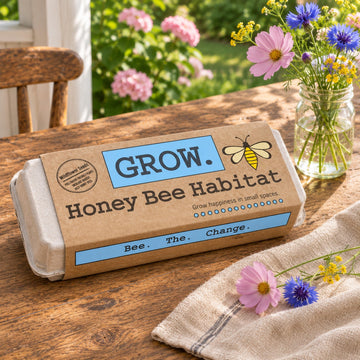
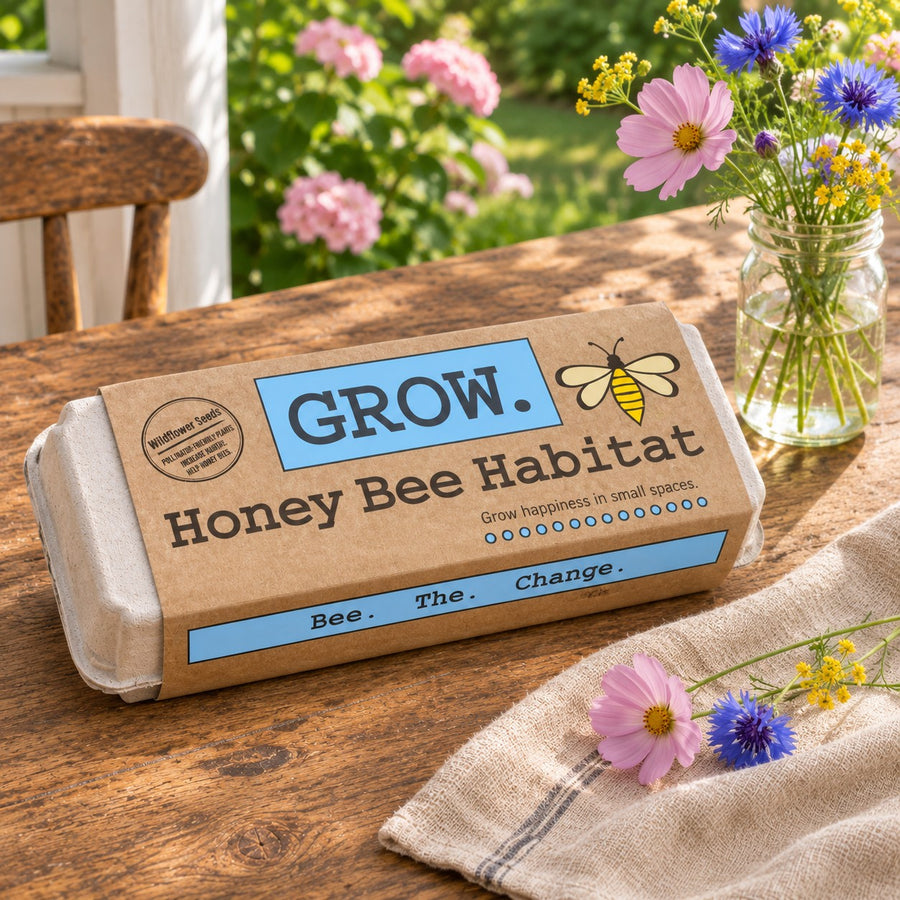
Honey Bee Habitat
A diner for pollinators.
Open all season.
- Everything's in the cartonSeed, soil, planter. Bring water and a sunny sill.
- Seed you can saveGrow it once, save seed for next year.
Other finds
-
-
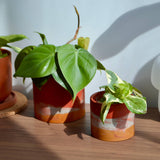
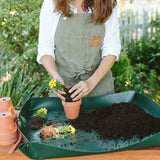
Rust & Orange Watercolor PlanterHandmade by Linda. Your plant stays in its nursery pot and slips inside.From $20
-
-
-
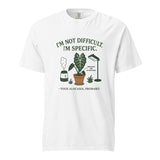
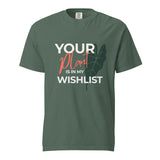
I'm Not Dramatic. I'm Specific. - Heavyweight TeeSaid by your Alocasia, probably. Thick and soft.From $35
-
-
-
-
-
-
-
-
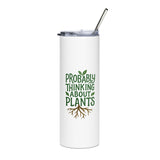
Probably Thinking About Plants - Stainless Steel TumblerStainless steel, for plant-shopping trips.$29
-
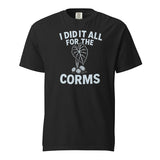
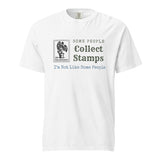
I Did It All for the Corms – Heavyweight Cotton TeeRing-spun cotton and a nod to a 90s hook.From $35
-
-
-
-
-
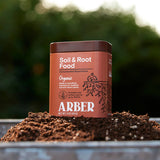
Arber Organic Soil & Root Boost 4 ozLiving helpers for the root zone, worked into the top of the soil once a month.$17
-
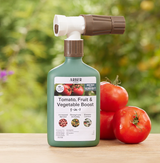
Arber Organic Tomato, Fruit & Vegetable Boost 16 ozStrengthens vegetables' own defenses. Clips to the hose. Not a feed.$25
-
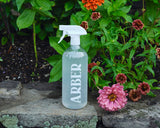
Arber Organic Plant Food 8 ozA gentle 3-2-1 feed, watered in every 10 to 14 days. Made from unsold produce.$20
-
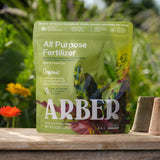
Arber Organic All Purpose Fertilizer 3 lbSlow granular feed of compost and biochar, mixed into the soil once a month.$15
-
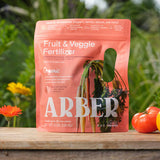
Arber Organic Fruit & Veggie Fertilizer 3 lbA 4-3-2 granular feed with calcium, worked into the top few inches of soil.$15
-
Arber Organic Nutrition & Health Starter SetPlant Food plus Bio Protectant. Best for patios, pots outside and beds.$30


What it's for
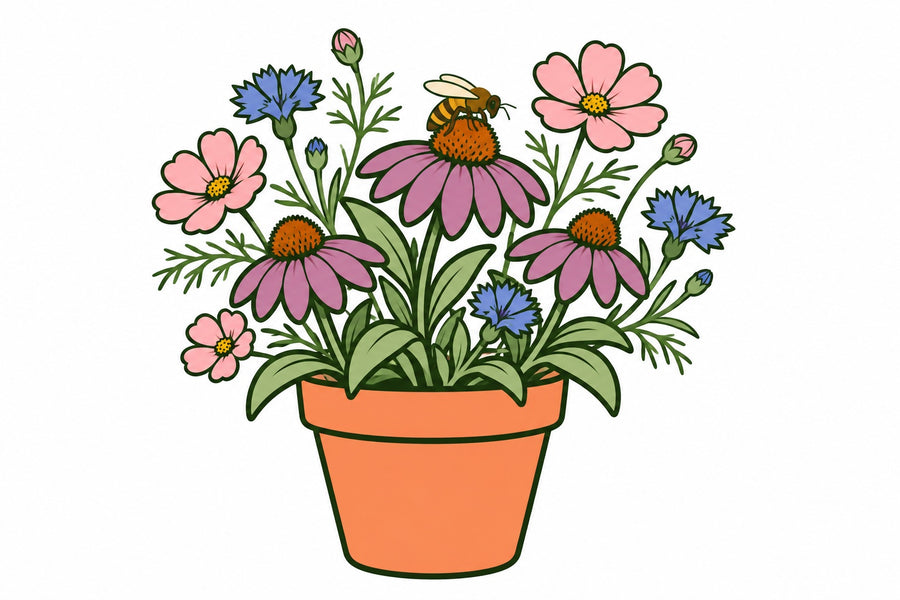
Wildflowers bees actually eat.
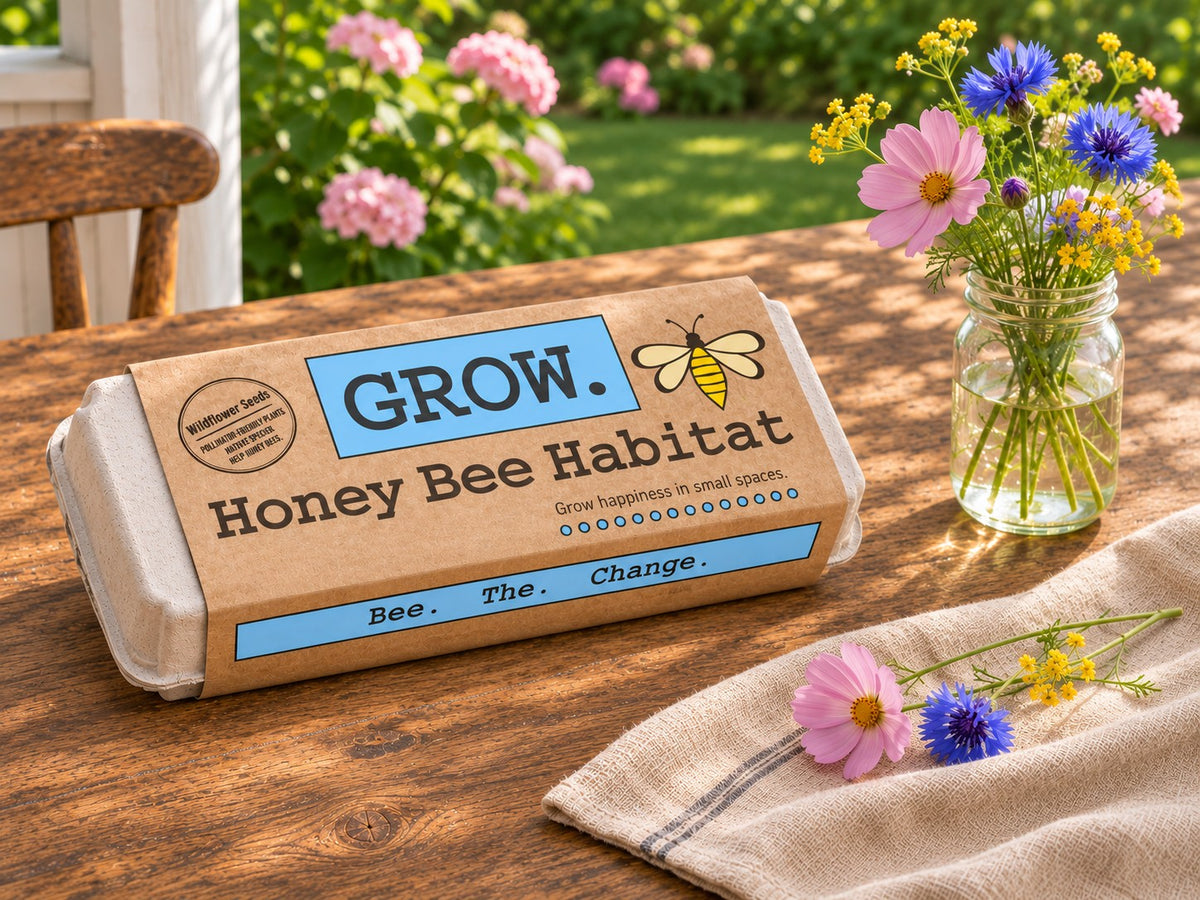
A mix of annual and perennial wildflowers that keeps nectar and pollen coming all season, with a bee gardening booklet and enough seed to share with a friend.
- Seeds
- An open-pollinated mix of annual and perennial wildflowers, coneflowers, poppies, asters, cosmos, coreopsis and mountain mint among them
- In the box
- Wildflower seed, starter soil, growing instructions, a bee gardening booklet and an egg-carton planter
- Planter
- Egg carton, 100% recycled fiber
- Seed envelopes
- FSC-certified paper, 30% post-consumer, printed with wind power
Set it up
Egg carton to bloom
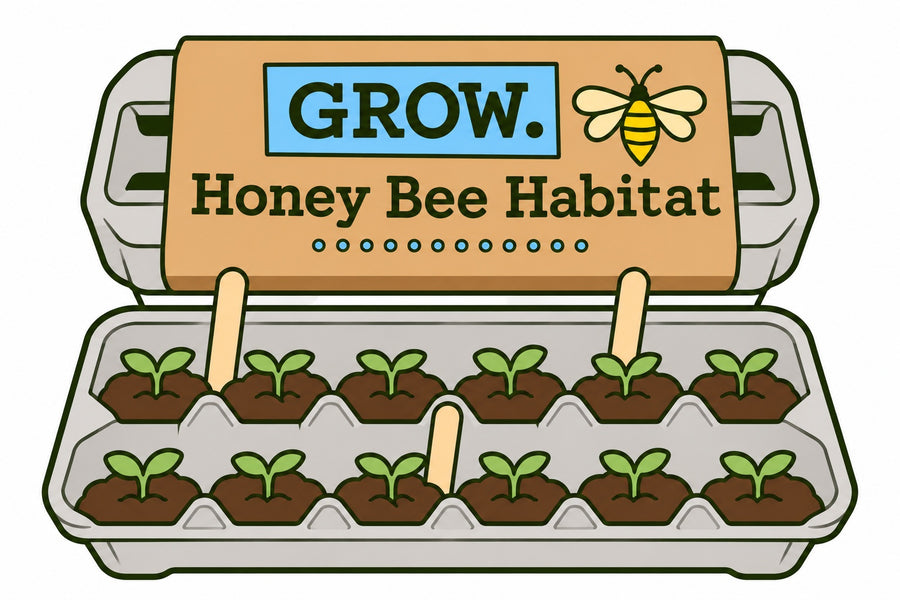
Fill and sow
Starter soil in the cups, seed on top with a light dusting of soil. Keep it evenly moist.
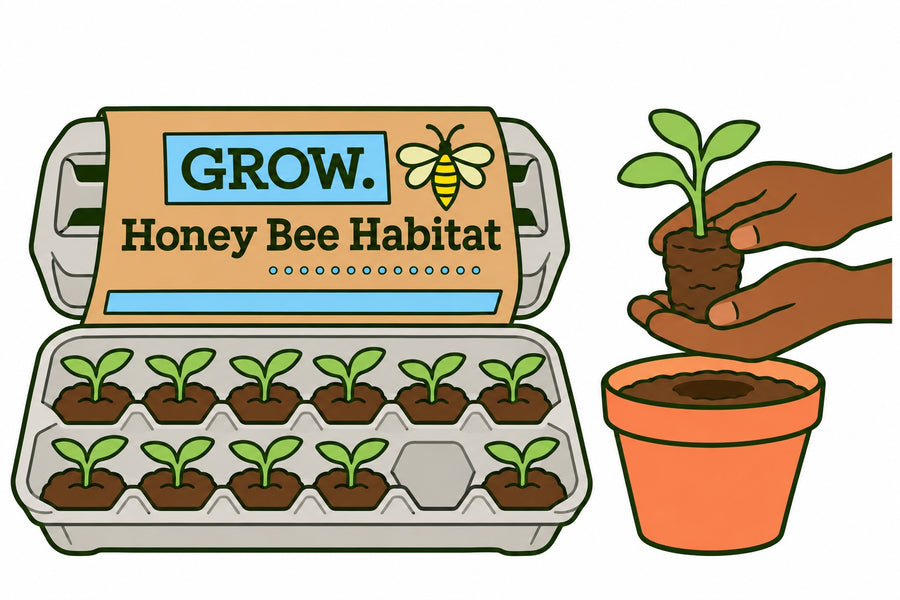
Start in, move out
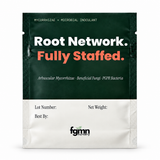
Sprout them indoors, then move the seedlings to a pot or a patio bed; the card in the box has the timing. Moving day is root day: a dusting of Root Network on the roots.
Count the customers
Pull up a chair. Then count.
What you'll see
The diner opens in waves.
- Weeks 1 to 3First sprouts. They come up in waves, not all at once.
- Months 2 to 3First blooms. The annuals open: cosmos, poppies, coreopsis.
- Through OctoberBee season. One bloom after another keeps nectar on the menu.
- Year twoThe perennials. Coneflowers, asters and mountain mint mostly wait a year.
Before you order
Seed kit questions, before the dirt.
Something else? Ask Toby in the chat, bottom right.
What else do I need?
Water, a bright spot, and a pot or patio bed once they outgrow the carton.
Nothing's sprouting. Did I kill it?
Probably not. Keep the soil evenly moist, never soggy and never dry, and keep the carton in bright shade until you see green; then it gets the sunny window.
What do bees actually want?
Purple, blue and yellow flowers, planted in one big patch so they can eat without commuting, and a shallow dish of water with pebbles to land on. They can't see red. The booklet in the box has the rest.
Will it reseed?
It's an open-pollinated wildflower mix, so the plants can set their own seed.
Is it a good gift?
Five ounces, and the bees will thank them. Quietly.
Honey Bee Habitat
Bees were the original beneficials.
One carton, a season of regulars.