







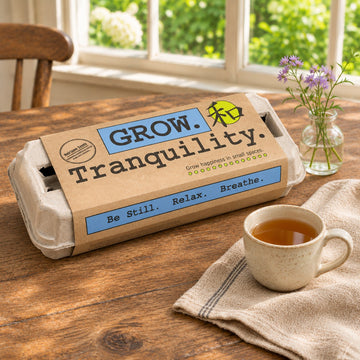
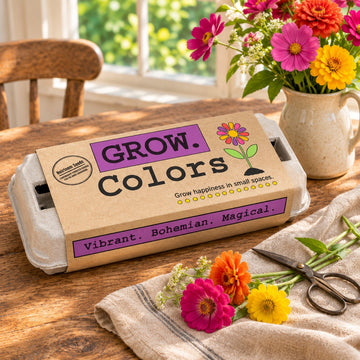

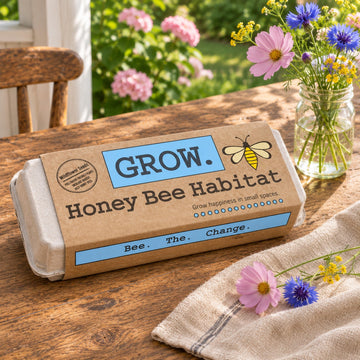


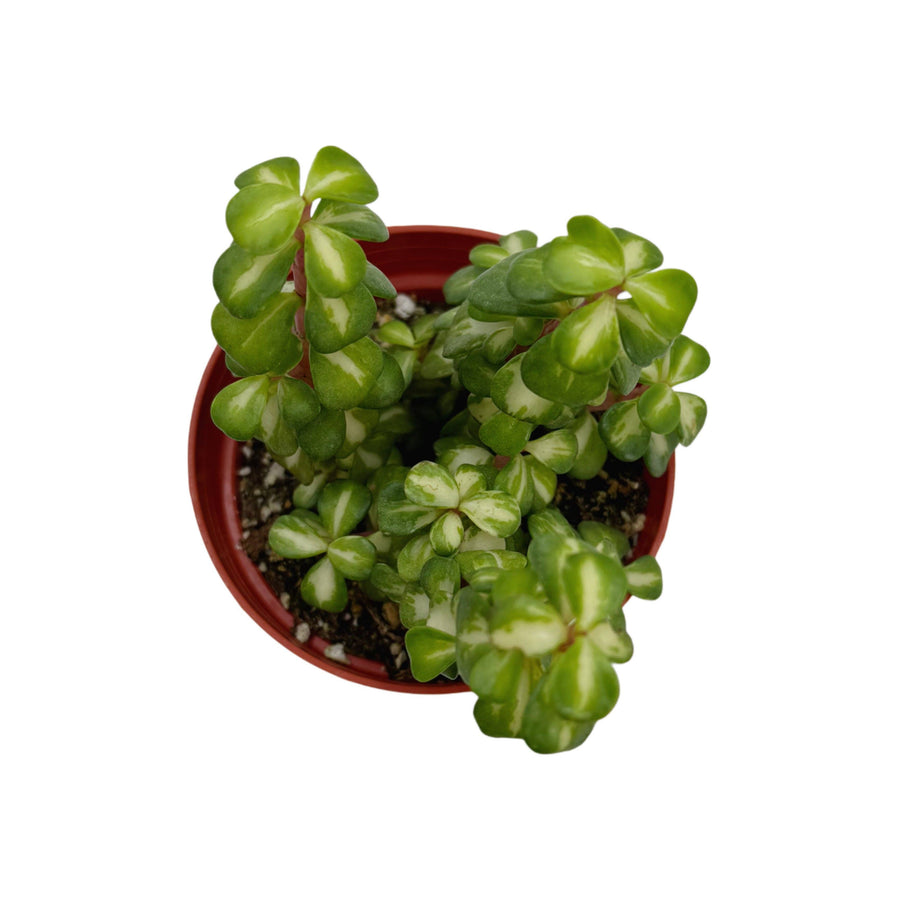
Variegated Elephant Bush
Small round leaves in green, cream and pink on red stems. It changes how it breathes with the seasons.
4 inch pot. Ships without it, roots wrapped in moss.
Goes with it
10% off any of these when you add them with your plant. It comes off at checkout.
-
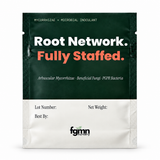
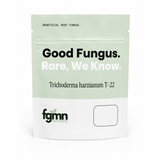
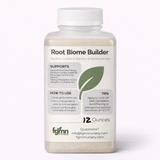
Root NetworkHelps a new plant settle in. Mycorrhizae, Trichoderma and root bacteria in one pouch.From $15
-
Other finds
-
-
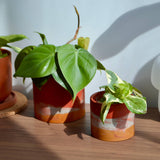
Rust & Orange Watercolor PlanterHandmade by Linda. Your plant stays in its nursery pot and slips inside.From $20
-
3.5" Earth Tone Mini PlanterA little pot with a hole, plug and saucer, for a 2-inch succulent or a fresh cutting.From $7
-
4" Signature Stone Hanging Planter PotA small stone-look pot that hangs, for the plant that ran out of shelf.From $26
-
-
-
7" & 4" Signature Planters & SaucerTwo matching pots with saucers: one for the plant, one for the cutting you took.From $40
-
-
-
-
I'm Not Dramatic. I'm Specific. - Heavyweight TeeFull-color Alocasia joke, heavyweight cottonFrom $35
-
-
-
-
-
-
-
-
-
Probably Thinking About Plants - Stainless Steel Tumbler20 oz stainless tumbler with lid and straw$29
-
I Did It All for the Corms – Heavyweight Cotton TeeA 90s nod for corm keepers, heavyweight cottonFrom $35
-
-
-
Horiver Professional Sticky TrapsThrips and fungus gnats often show up on a card before a leaf.From $11
-
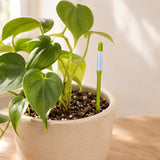
Arber Sticky Traps for Plant PestsYellow stakes that catch winged pests and show you whether it's getting better.$11
-
-
-
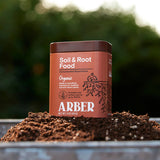
Arber Organic Soil & Root Boost 4 ozLiving helpers for the root zone, worked into the top of the soil once a month.$17
-
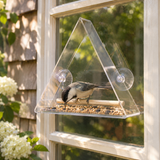
Birds on the Block Window Bird FeederA clear window feeder that brings the birds within a few inches.From $19
-
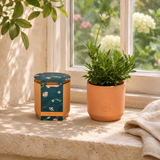
Tiny Terracotta Grow KitDaisy or poppy seed in a tiny terracotta pot with a water reservoir.From $15
-
-
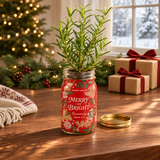
Holiday Herb Garden JarRosemary, cinnamon basil or sage, grown on lava rock over water. No soil.From $21
-
-
-
Variegated Fire Barrel CactusRed spines tipped in yellow, on a variegated barrel. A free prevention sachet comes with it.$37
-
Variegated String of PearlsGreen-and-cream pearls with a clear window that lets light inside the leaf.$25
-
Variegated Corn Cob CactusStacked cream-and-green stems, like a corn cob that went to art school.$17.50
-
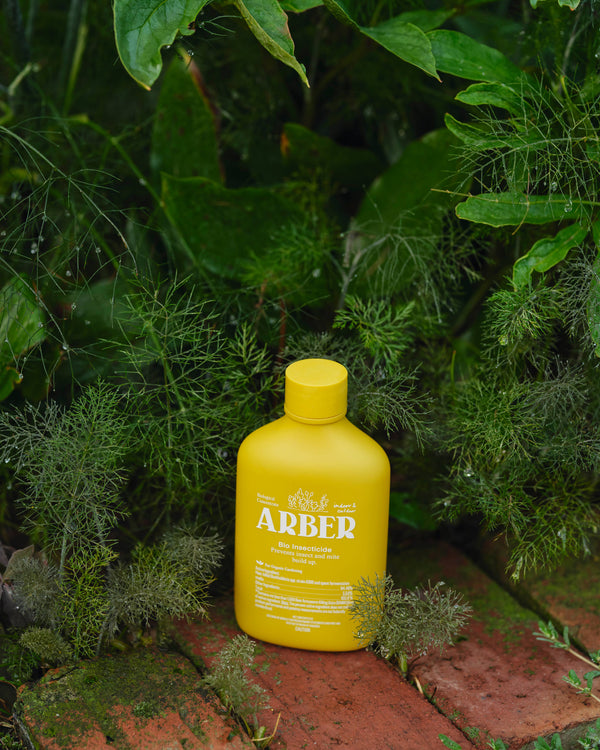
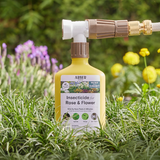
Arber Organic Insecticide for Rose & Flower 16 ozKills surface pests in minutes on rose and flower beds. Clips to the hose.$25
-
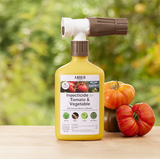
Arber Organic Insecticide for Tomato & Vegetable 16 ozKills surface pests in minutes on vegetable beds. Clips to the hose.$25
-
Arber Organic Bio Fungicide 8 ozControls mildew and leaf spot on pots and beds, indoors or out. Mix in a sprayer.$20
-
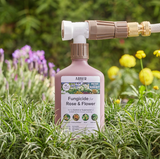
Arber Organic Fungicide for Rose & Flower 16 ozControls black spot and mildew on rose beds. Clips to the hose.$25
-
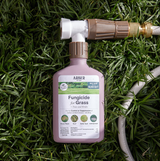
Arber Organic Fungicide for Grass, Trees & Shrubs 16 ozControls brown patch, dollar spot and rust. Clips to the hose.$25
-
Arber Organic Bio Protectant 8 ozPrevention, not a cure: the plant thickens its own defenses. Mix in a sprayer.$20
-
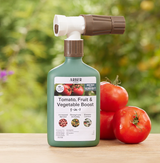
Arber Organic Tomato, Fruit & Vegetable Boost 16 ozStrengthens vegetables' own defenses. Clips to the hose. Not a feed.$25
-
Arber Organic Plant Food 8 ozA gentle 3-2-1 feed, watered in every 10 to 14 days. Made from unsold produce.$20
-
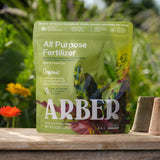
Arber Organic All Purpose Fertilizer 3 lbSlow granular feed of compost and biochar, mixed into the soil once a month.$15
-
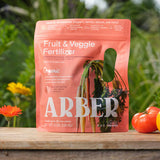
Arber Organic Fruit & Veggie Fertilizer 3 lbA 4-3-2 granular feed with calcium, worked into the top few inches of soil.$15
-
Arber Organic Nutrition & Health Starter SetPlant Food plus Bio Protectant. Best for patios, pots outside and beds.$30





























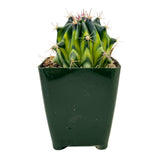
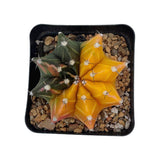


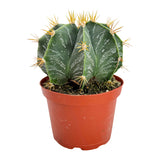
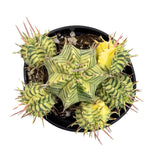















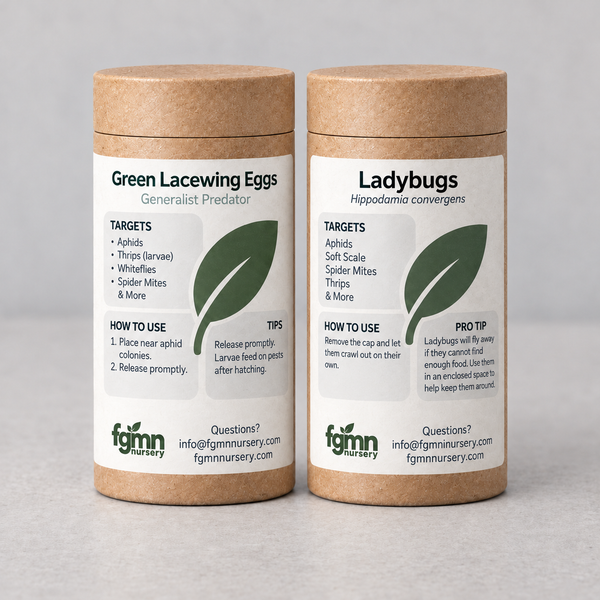
Some Bugs Included

Yes, on purpose. We treat the whole nursery with predatory mites and beneficial insects, so this plant grew up guarded.
It doesn't leave alone, either. A Special Blend Prevention Sachet ships with it, free. Hang it on the plant and the mites walk out on their own.

The science
It breathes two ways.
In winter and spring it takes in air by day, like most plants. In summer it switches to the night shift and keeps its pores shut through the heat.
Researchers then left it dry for 145 days. One watering later it was back at work within 24 hours. (They tested the plain green one. Yours is the fancy cousin.)
What it needs
Four things. That's the list.
- Light
- Bright light. Easy on the direct sun.
- Water
- When the top inch is dry. Almost none in winter.
- Soil
- Cactus mix with plenty of grit, in unglazed clay.
- Temperature
- Inside below 40°F. It can't take a freeze.
How it ships
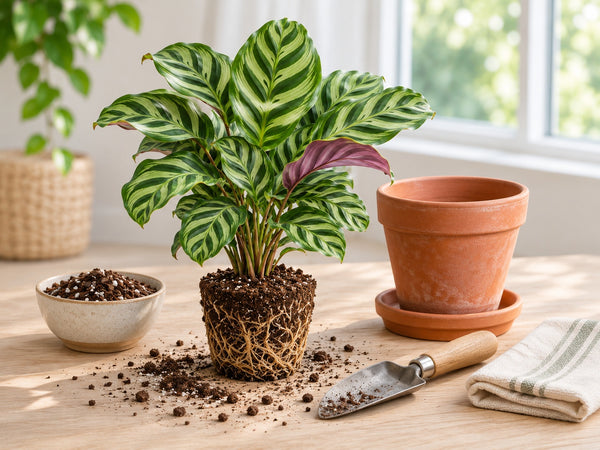
No pot. No soil. Just the plant, wrapped in moss.
Wet soil in a dark box is how plants rot in the mail. A pot could have been watered that morning. Moss takes the guessing out.
 DippedRoots go into Root Network just before it ships, to protect them.
 WrappedThen into moss. Not a pot.
 Kept warmIn deep winter, a 48-hour heat pack and insulation ride along. No charge.
Cold where you are?
40°F
Below 40°F at your address, you pick. Overnight shipping, so it spends one night in the cold, not two. Or we hold your plant until your forecast climbs back above it.
A hold doesn't change the guarantee.
When it arrives
Two days in a dark box. It'll look like it.
A little wilted, a little rumpled. That's travel, not trouble.
White fuzz on the roots? That's ours. It's Root Network's Trichoderma, a helpful fungus, and it's supposed to be there.

- Day 1Unwrap it. Pot it.Ease the moss off the roots and pot it in the dry mix below. Bright light, out of direct sun.
- Week 1Then leave it be.Wait several days before the first watering. No fertilizer yet.
- Weeks 2 to 4It comes back.A little wilting passes. Extra water is what hurts it.
Wilted is normal. Dead isn't.
If it arrives dead or in poor shape, email info@fgmnnursery.com within 72 hours of delivery with your order number and what you're seeing. No photos needed. We'll replace it or give you store credit. The Live Delivery Guarantee
Soil and pot, your first job
Gritty. Then grittier.
Its one real weakness is root rot in soil that stays moist.

Grit is small pea gravel, poultry grit or pumice. Go easy on sand.
Big drainage holes.
Water has to leave. Large holes make sure it does.
Unglazed clay.
It lets water evaporate through the sides. A top-heavy plant may want a rock or a stake at first.
Light
Which way does your window face?
Tell us your window. We'll tell you where it goes.
Yes. One step back.
The brightest window in the house. Keep it beside the glass, not pressed against it, or hang a sheer curtain. Direct sun can scorch it.
Past about 10 feet from a window, it's too dark for any plant.
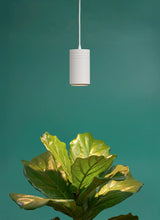
 Not enough window? Add a light.Soltech Vita Grow Light. A grow bulb for a lamp you already have. Run it 12 to 14 hours a day alongside the window.See it
Where it lives
Inside, outside, or both?


A south window, usually.
Bright light. Easy on the direct sun.
- 1Bright. South is usually ideal. East or west also work.
- 2Variegated means gentler. This one takes less bright sun than the green kind. Too much and the leaf tips yellow, redden or burn.
- 3Not the dark corner. Full shade gives weak, spindly growth.
Water
Thirsty is fine. Soggy is not.
It shrugs off drought, but grows faster and lusher with regular water. Just let it dry first.
Push a finger in. How's the top inch?

Still damp
Not yet.

Dry
Water it. Properly.
In winter, nearly nothing. Hold back water until the lower leaves start to shrivel. That can take months. Start again, sparingly, in spring.

Left alone on a South African hillside, it becomes the hillside.
Feeding and the year
It eats in season and rests dry.
- SpringStart watering again.Sparingly at first. Repot if roots are coming out of the holes.
- SummerFeed monthly.Through the growing season. Water when the top inch is dry.
- FallIn below 40°F.If it spent the summer outside.
- WinterKeep it dry.Wait for the lower leaves to shrivel before you water.
 The gentle one: Arber Organic Plant FoodA gentle 3-2-1 feed made from unsold produce, built to be hard to overdo. Once a month while it's growing. Not the every-two-weeks on the bottle.See it
Make more
Break a piece off. Wait.
 CutTake a stem cutting in spring or summer.
 DryLet the cut end dry and callus for a couple of days.
 PotPot it up. Roots form in 4 to 6 weeks in warmth.
People eat it. Pets: unknown.
The leaves are edible, used in salads and soups in southern Africa for their sour taste. For cats and dogs we found no reliable source either way, so we won't call it safe.
Questions
Before you ask.
Where's the pot?
There isn't one, on purpose. Your plant ships with its roots wrapped in moss, so it never sits in wet soil in a dark box. Pot it up when it arrives.
Why is it dropping leaves?
Usually a move. If it comes indoors to lower light than it had outside, it sheds some. It settles.
Will it flower?
Rarely in a pot. The small pink or white stars mostly show on plants in the ground in mild climates.
What bugs bother it?
Few. Mealybugs and scale, mostly indoors. It dislikes some sprays, so avoid petroleum-based ones or test a few leaves first.
Is it really a carbon sponge?
Restored thickets of it in South Africa stored carbon at rates researchers called comparable to many forests. That's whole hillsides over twenty-plus years. Your 4 inch pot is doing its best.
Further reading
- Guralnick, Rorabaugh & Hanscom (1984). Seasonal shifts of photosynthesis in Portulacaria afra. Plant Physiology 76: 643-646.
- Guralnick & Ting (1987). Physiological changes in Portulacaria afra during a summer drought and rewatering. Plant Physiology 85: 481-486.
- Mills & Cowling (2006). Rate of carbon sequestration at two thicket restoration sites in the Eastern Cape, South Africa. Restoration Ecology 14: 38-49.
- Mahr, S. Elephant Bush, Portulacaria afra. University of Wisconsin-Madison Extension.
- RHS. Portulacaria afra 'Variegata'.