






1
The easiest check
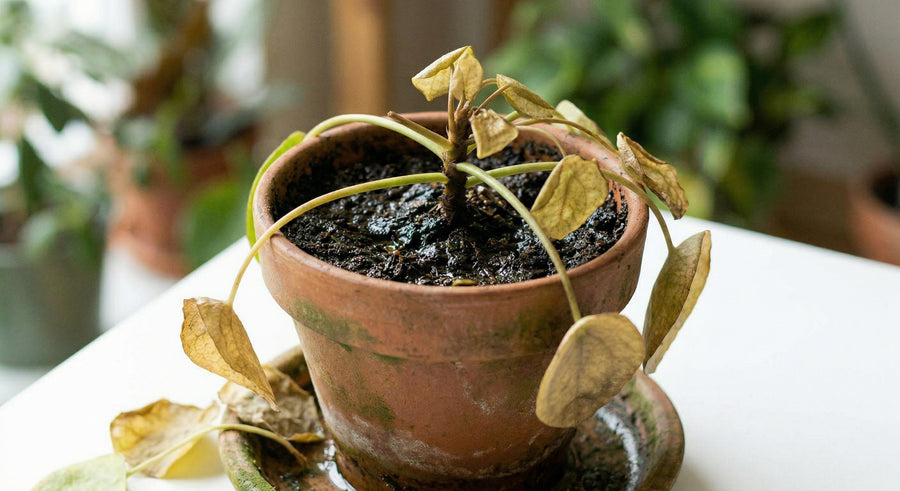
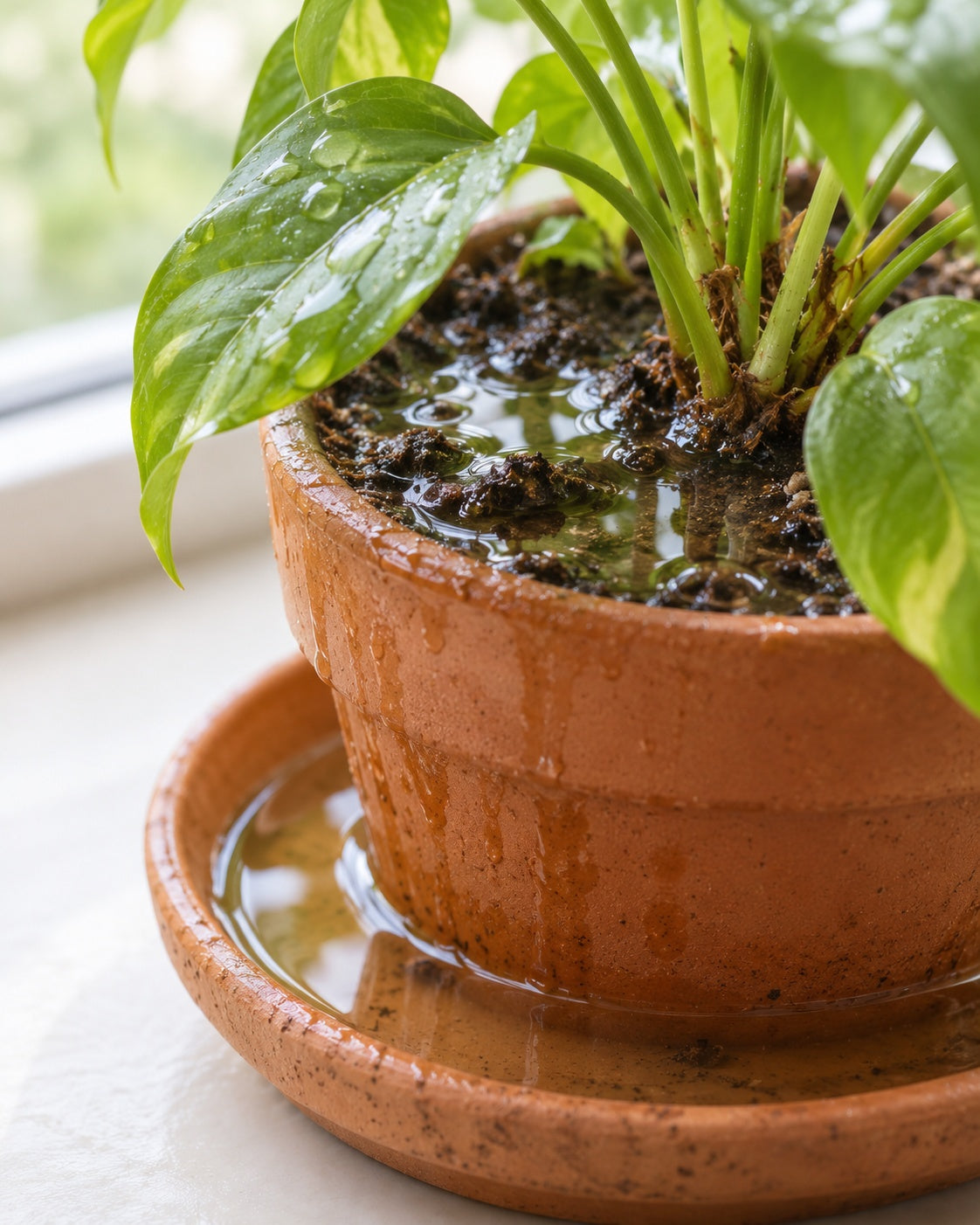
It wilts in wet soil.
Watering doesn't perk it up. Feel the soil before you water.

Pest season where you live
Type a ZIP and see what’s active this month, what’s at its worst, and when to get ahead of it.
What’s bugging you?
Most common
Other pests
Every pest we treat →Meet the beneficials
Most asked for
More predators and helpers
Every beneficial →Plant care
Field Notes
Guides
Before you buy
Pest guides

Root rot
That combination is the giveaway. The story's underground.
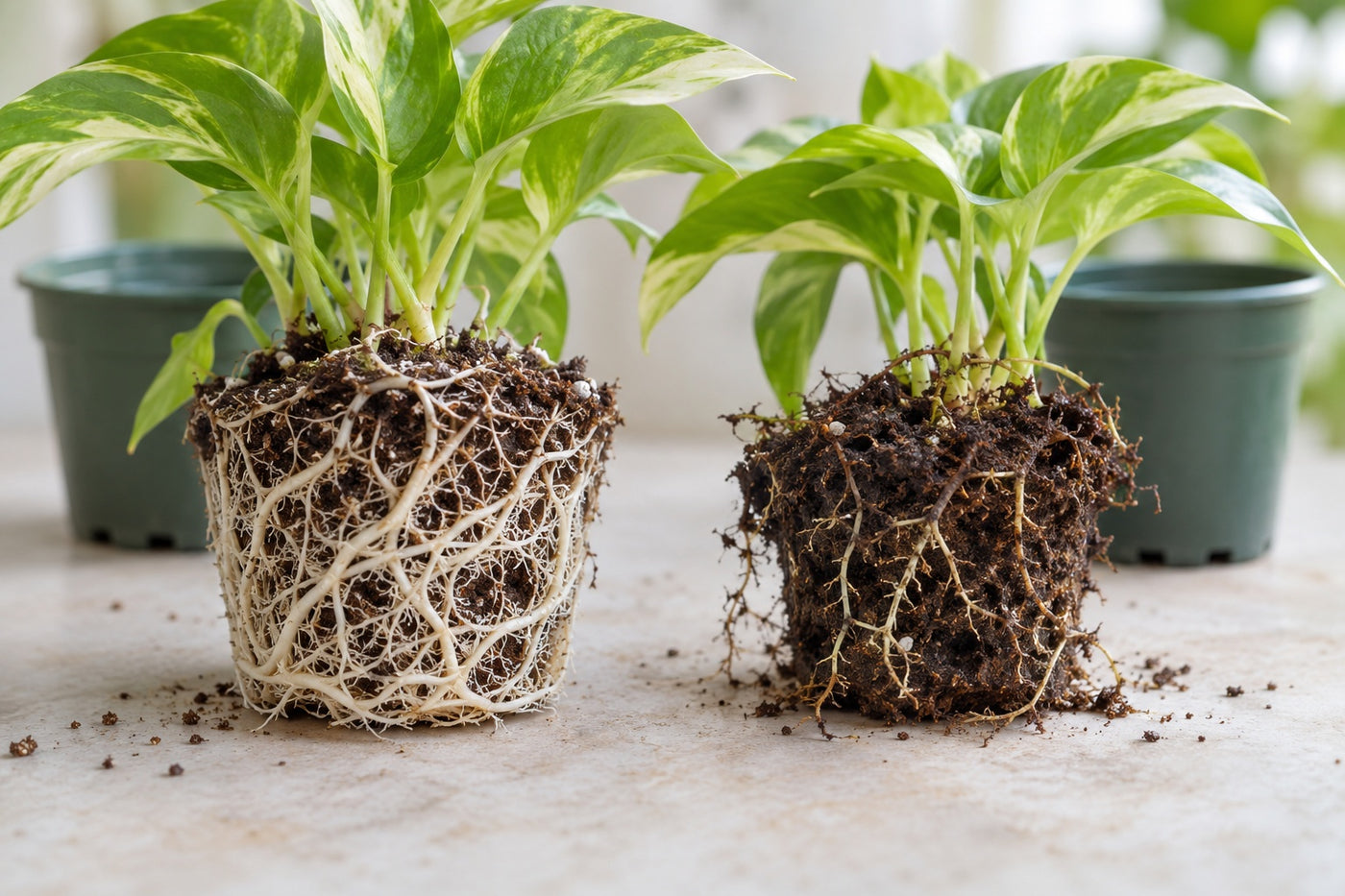
Check that it's root rotIs it root rot?
Watering doesn't perk it up. Feel the soil before you water.
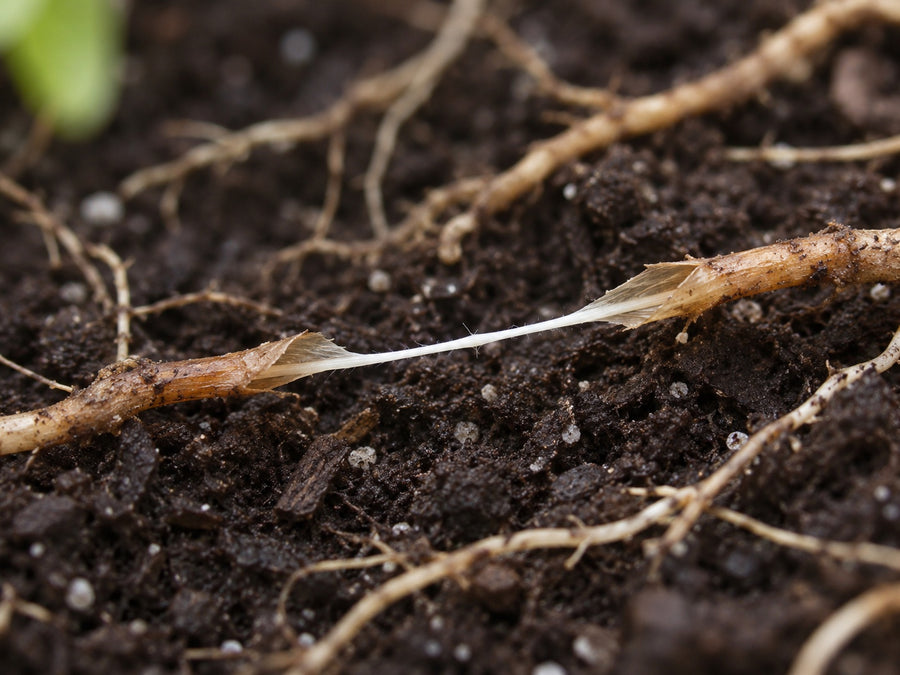
The outer layer slips off and leaves a thin thread.
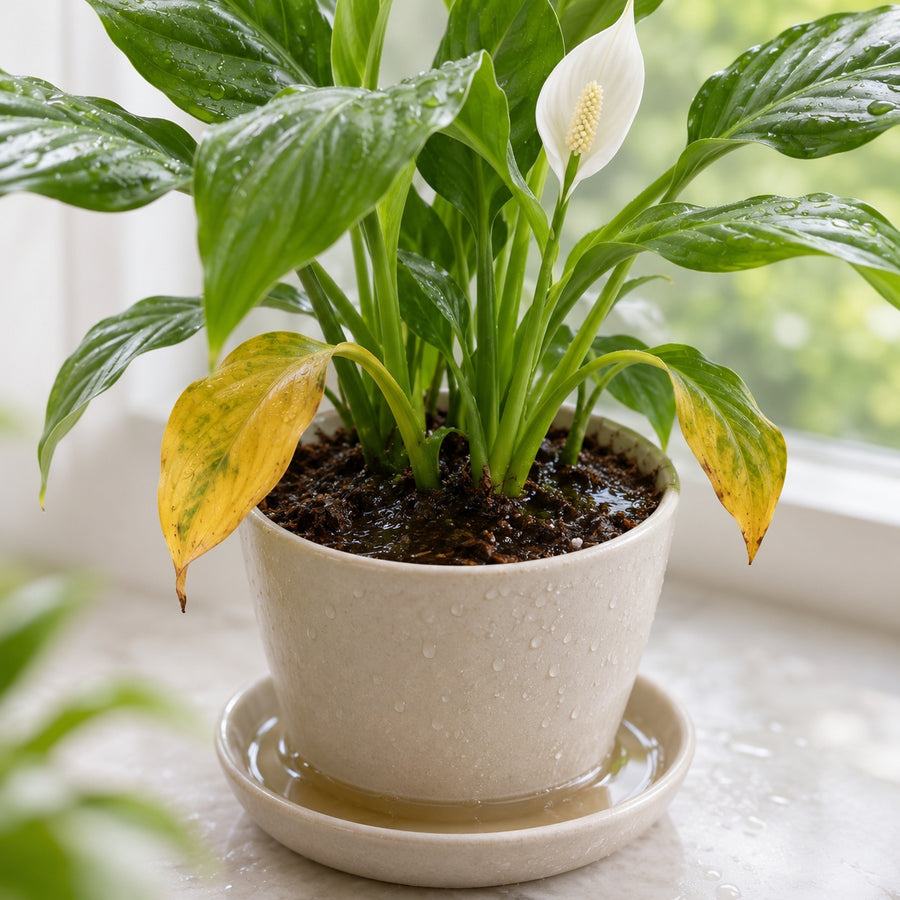
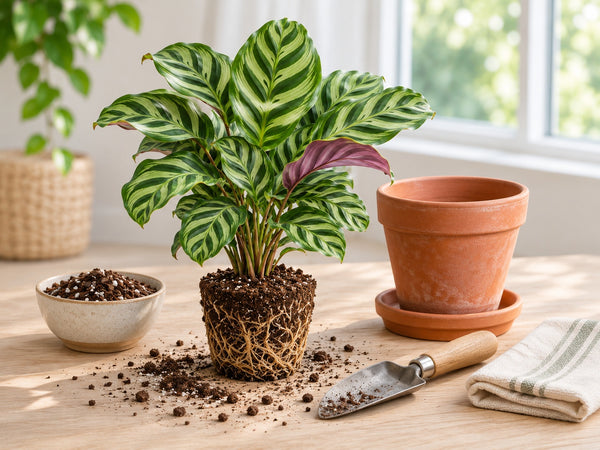
Older leaves can turn red or purple instead.
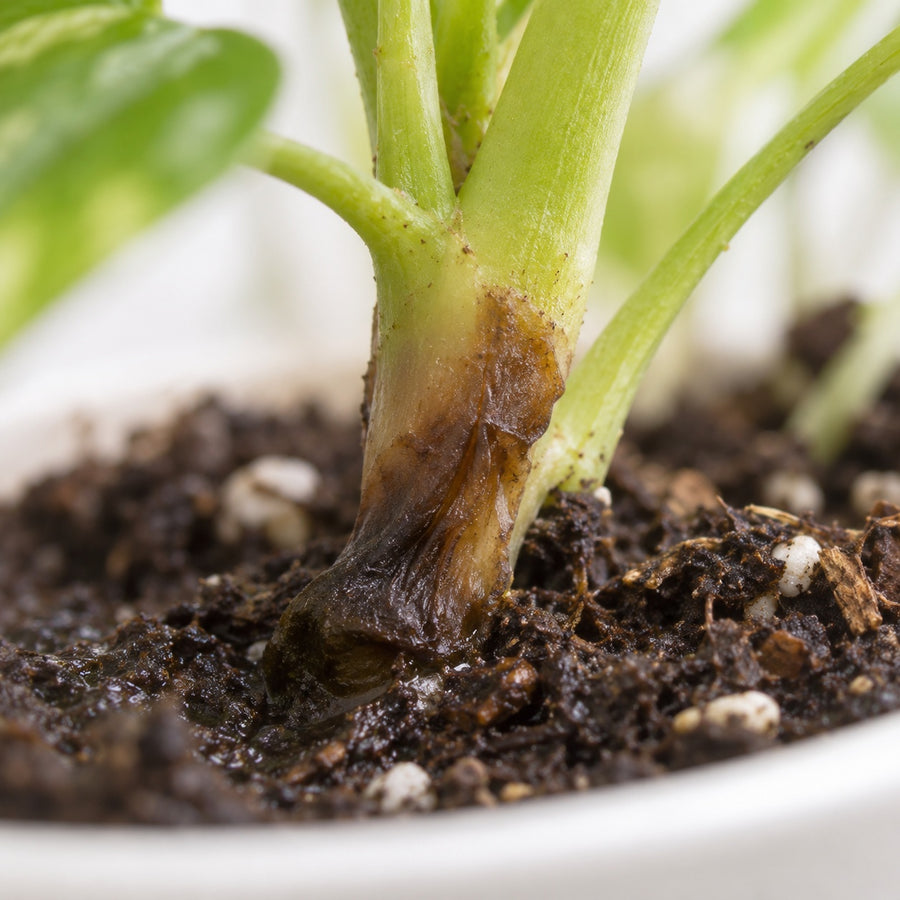
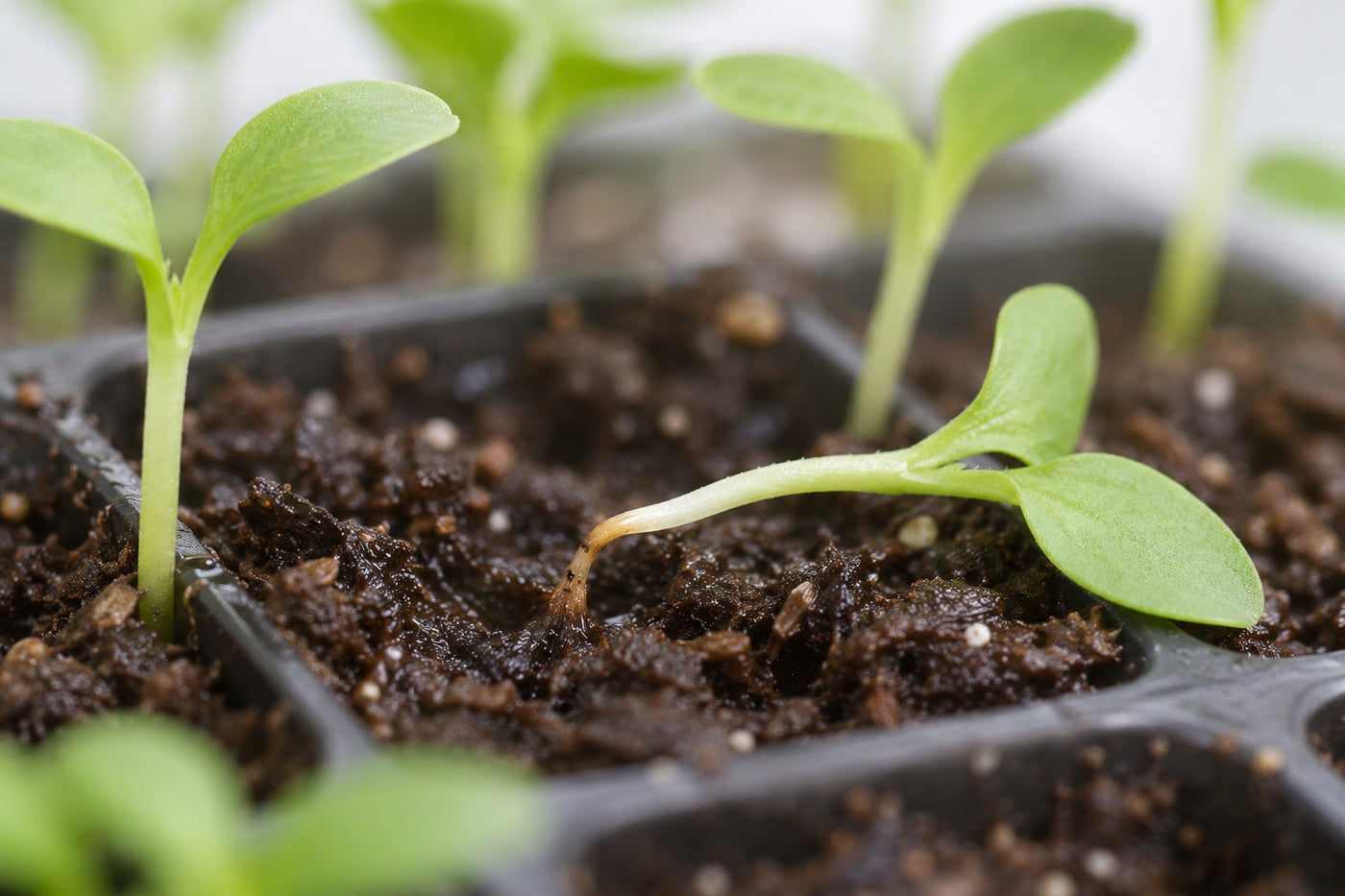
Cuttings and seedlings can collapse overnight.
Brown isn't a diagnosis. Squishy is.

What causes it
Root rot is a symptom, not a bug.
Several soil organisms cause it. They all win the same way.
They live in nearly all soils. They take over roots in mix that stays wet and short on air.
What it does
The rot climbs from the roots into the stem. Leaves fade to dull green or yellow, sometimes red or purple.
Where it starts

Seedlings and cuttings topple here.
How long it waits
Years
that resting spores can wait in moist soil.
Free water wakes them. Then they swim to the roots.
Dry soil wears their patience thin.
Why fungicides miss
Phytophthora is closer to brown algae than to a true fungus. Most fungicides don't control it well.
The seedling version
Seedlings topple at the soil line. It's worst in cold, wet, packed-down mix.

Do this today
Slide it out and look. Pale and firm stays. Soft and slipping goes.
Cut the soft roots away with clean tools.
Repot it, in a pot sized to what's left.
Stem soft at the base? Root a healthy cutting instead.
What to get
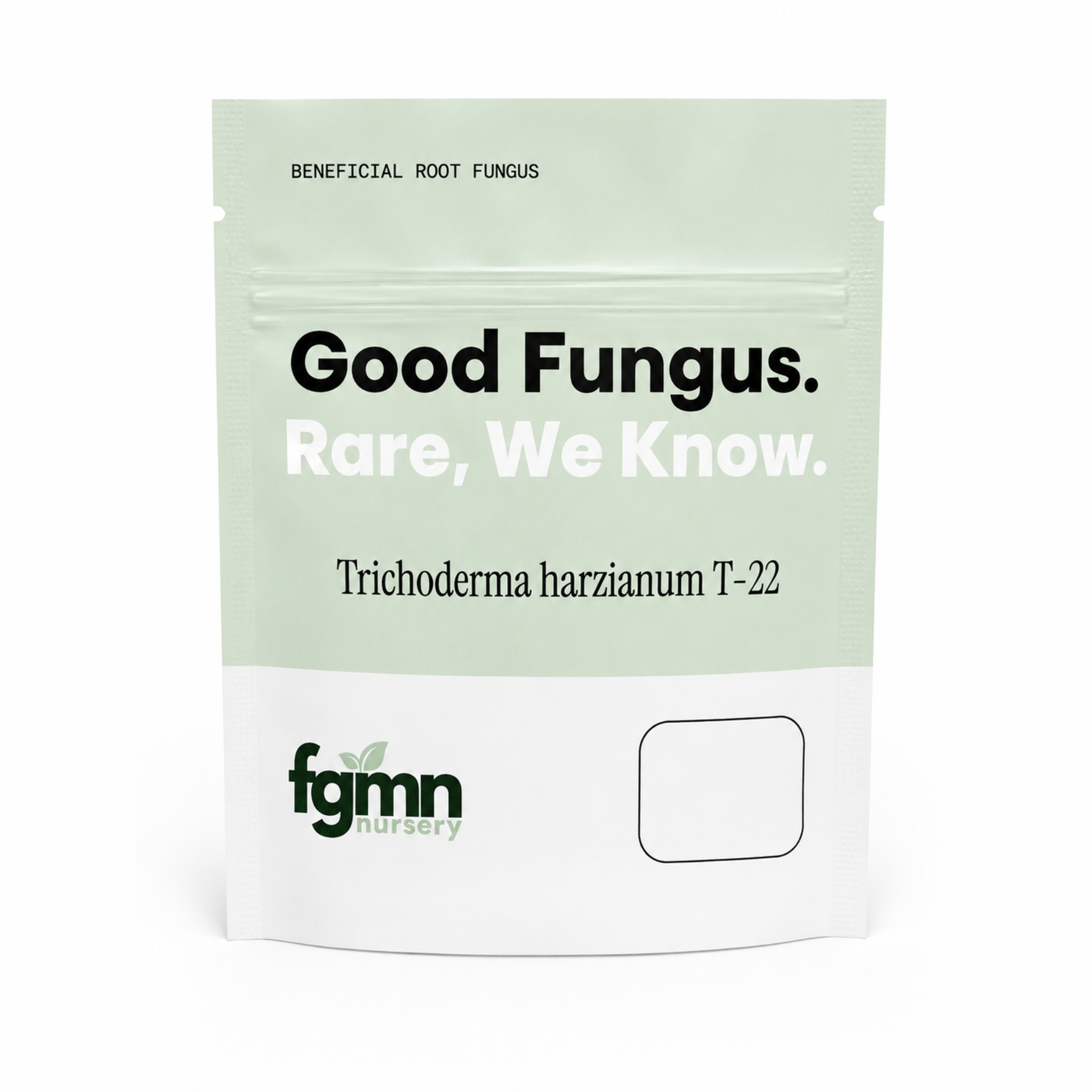
A beneficial fungus for the roots. The 5 g pouch makes 5 gallons of drench. Drench it in at potting.
Coco, LECA or tissue culture? Root Biome Builder.
Every root partner at once? Root Network.
Rot fungi love an empty root. Fill it first.
Our suggested plan
Potting day
Into moist mix.
Grow room only
Under high-intensity grow lights.
Repot
A new drench at each repot.
How to use it
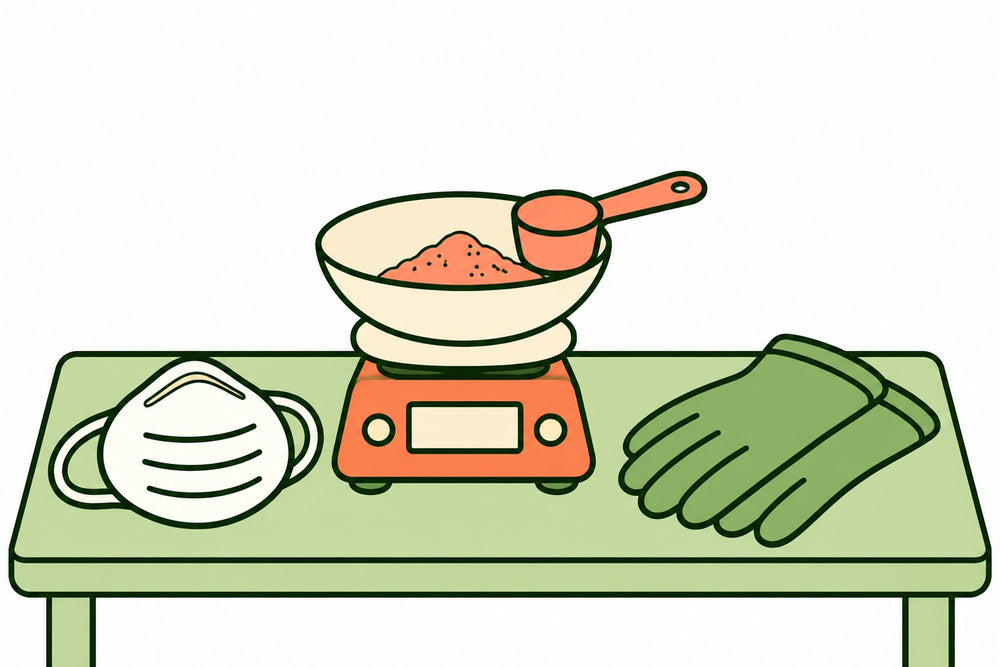
Wear a mask to measure. T-22 is a fine powder.
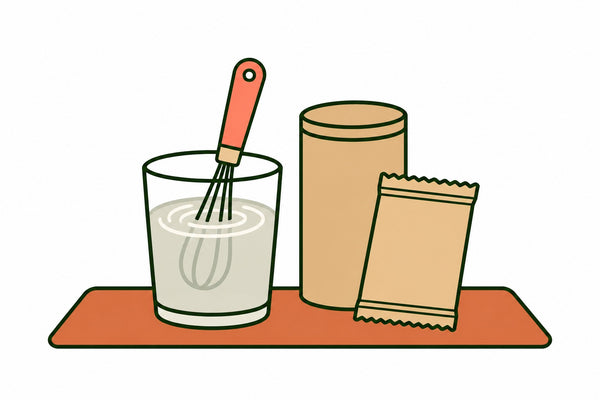
1 gram per gallon of drench. Whisk until smooth.

Chlorine and chloramine weaken T-22.
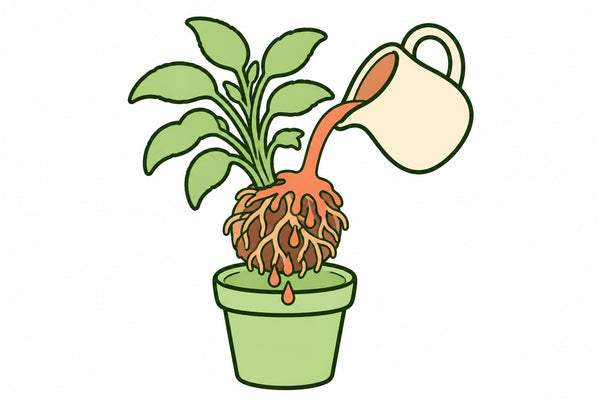
Until it's soaked. Use it the same day.
Moist, not waterlogged. For the roots and for T-22.
What to expect
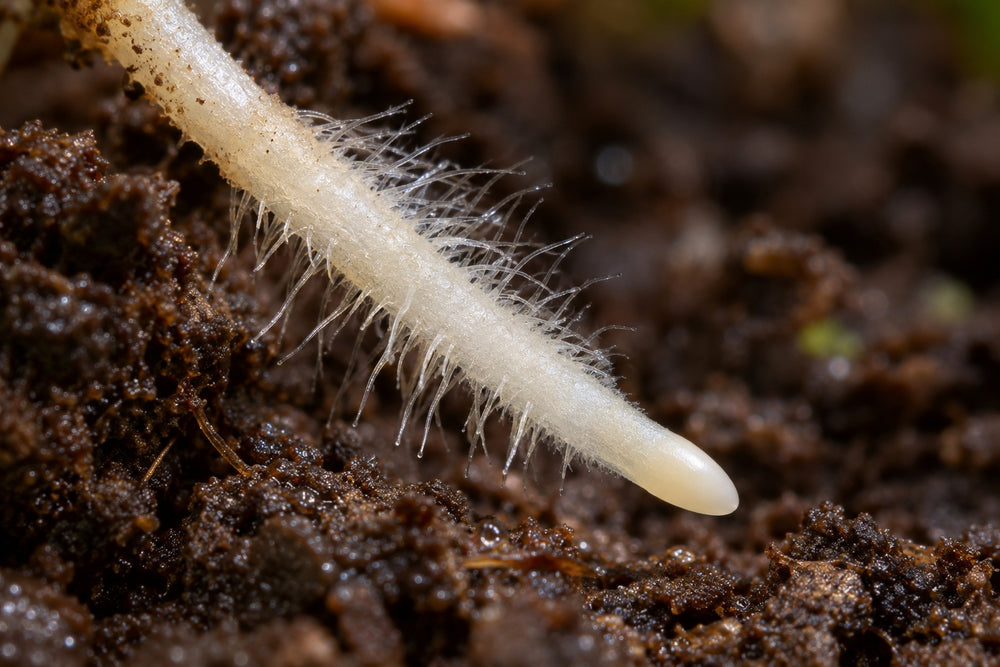
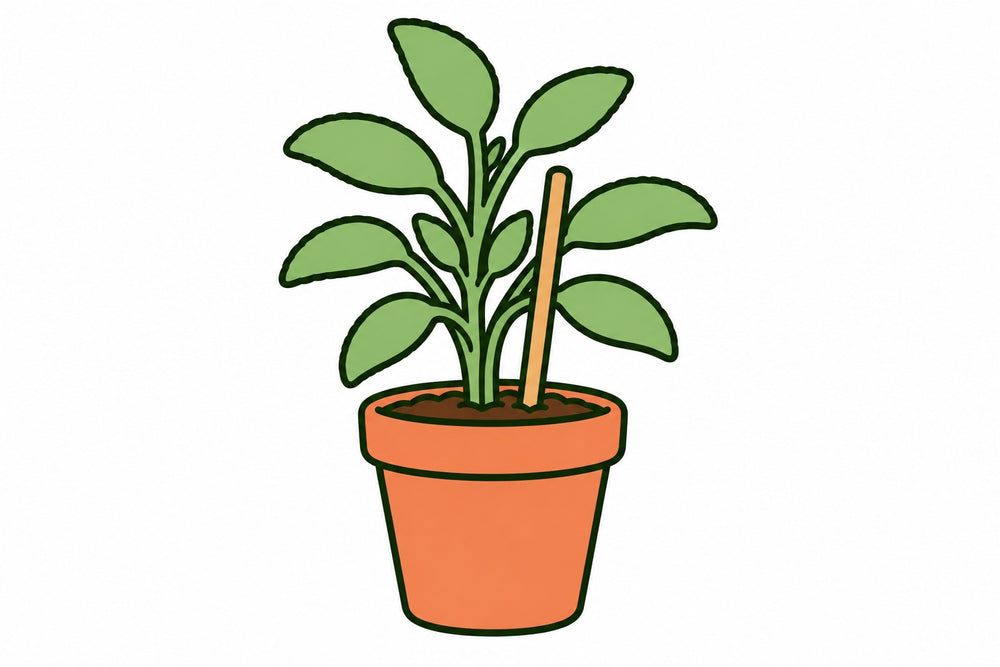
Nothing to see. White fuzz on the soil is usually the T-22 colony.
It spreads along the roots as they grow.
Cuttings strike. Transplants push new roots.
Why it fails
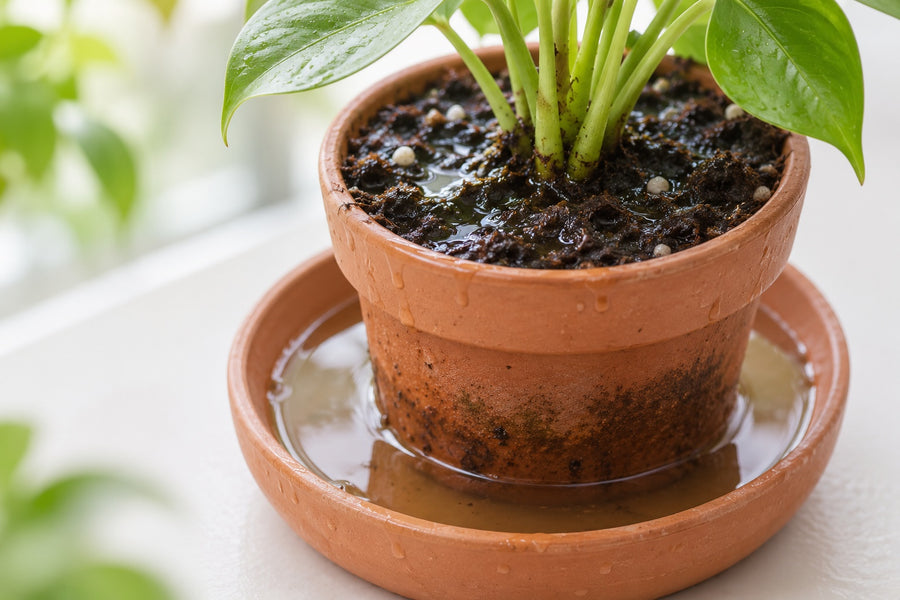
Soggy mix suffocates roots, partner or not.
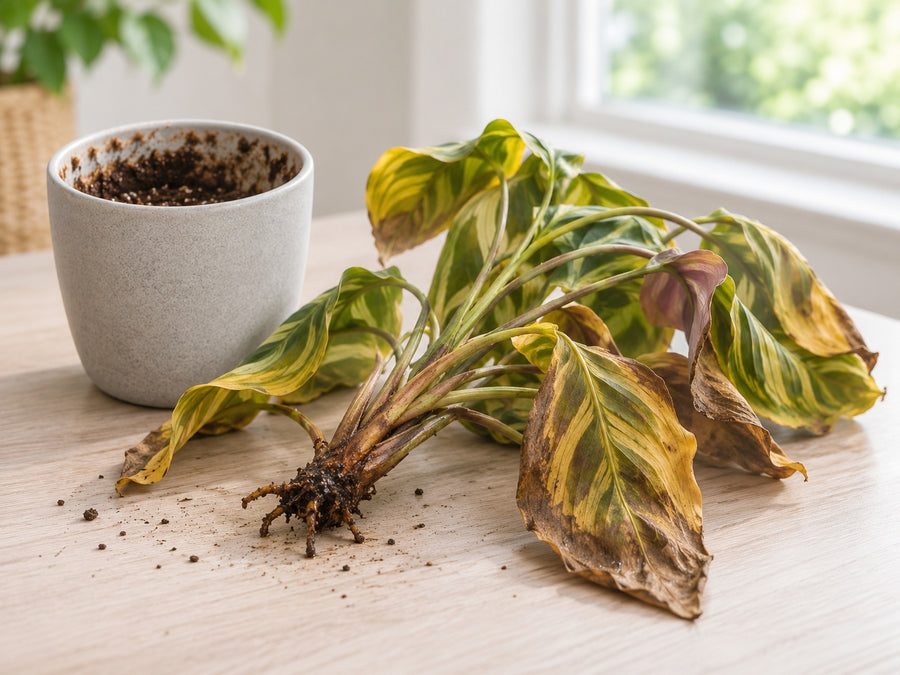
Save the plant first. Then protect the new roots.
Sun on the drench. Keep it out of direct sun.
A repot with no fresh drench. Repotting resets it.
Prevention
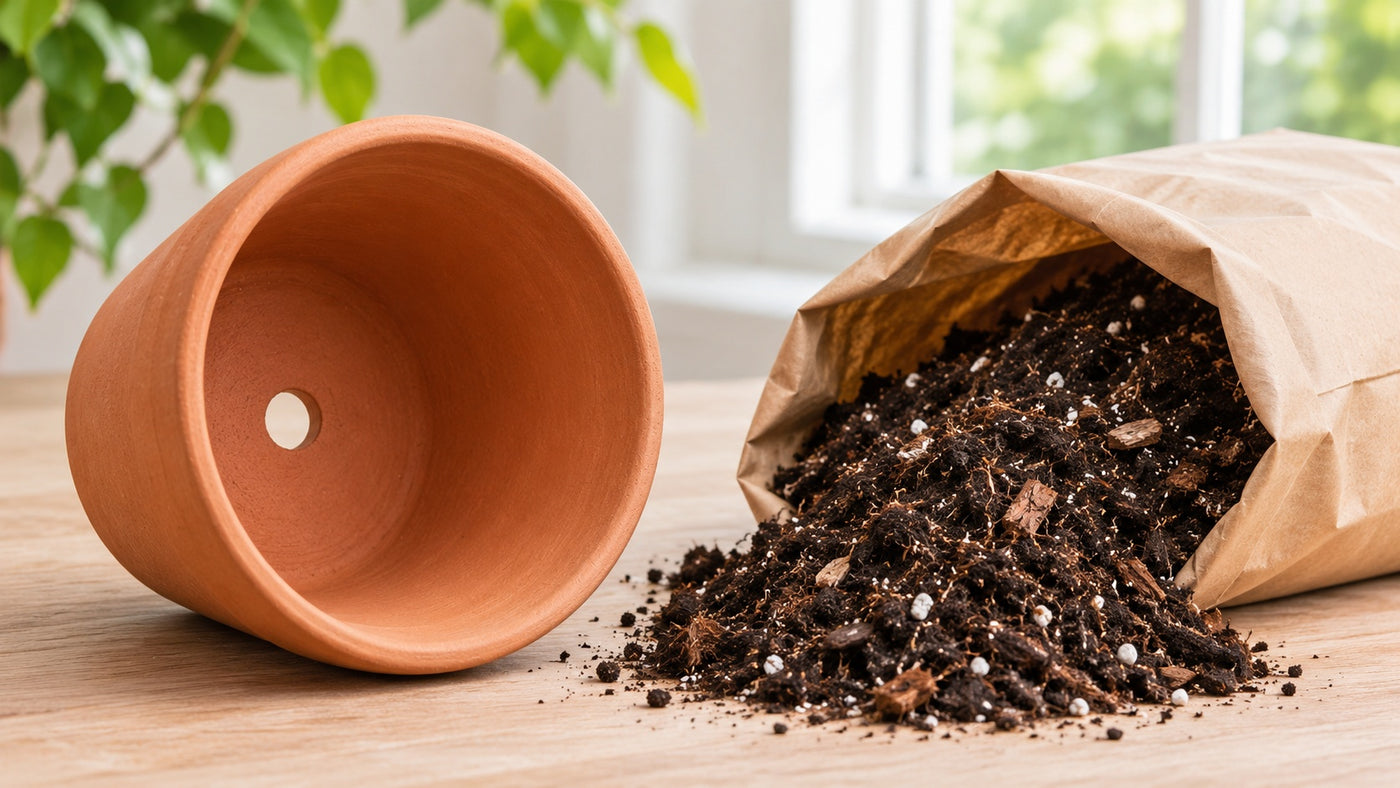
Pots that drain. Fast-draining mix, every time. A clean pot for every new planting.
Reusing a pot? Thirty minutes in 10% bleach, then let it air dry. Rot doesn't get a rematch.
Often shows up with
Questions
It settles on the root surface and feeds on other fungi. It also switches on the plant's own defenses.
No. T-22 is the one built to guard roots against rot. The other two add more root partners.
Damaged leaves may stay damaged. Judge by the new growth.
If something’s wrong when it arrives, email info@fgmnnursery.com within 72 hours of delivery for a replacement or store credit.
By continuing to checkout you agree to our Shipping Policy and Live Delivery Guarantee.
If something’s wrong when it arrives, email info@fgmnnursery.com within 72 hours of delivery for a replacement or store credit.
By placing your order you agree to our Shipping Policy and Live Delivery Guarantee.