



Field Notes

You Cannot See Them. You Cannot See Them Working, Either.
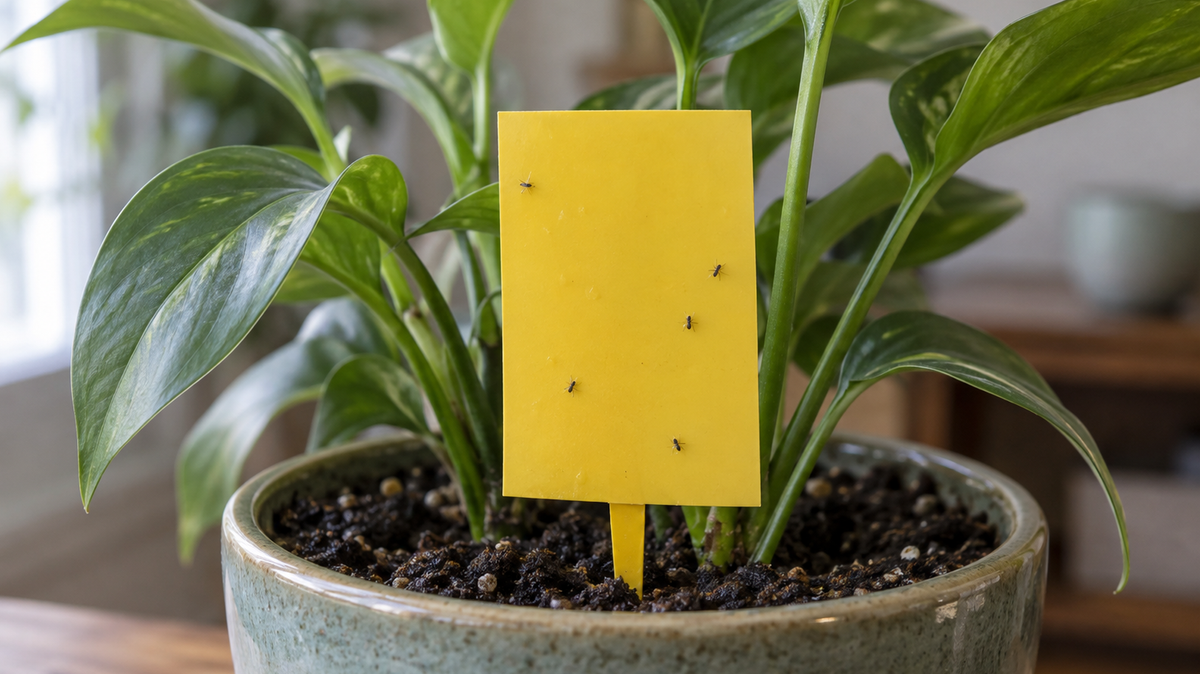
The Gnats You Can See Are Not the Ones You Treated.

Beneficials Aren't OMRI Listed. That's The Point.
Go looking for an OMRI seal on a tube of predatory mites and you will not find one — on ours or on anybody's. The usual explanation is that you cannot certify something alive, and that explanation is wrong. Releasing beneficials is a practice rather than an input, and a practice has nothing in it for anyone to review.

Four Ways to Kill a Fungus Gnat. Two of Them Fight.
No published trial has ever put predatory mites, beneficial nematodes, rove beetles and Bti head to head under one protocol. What exists is a set of single-agent results answering different questions — how fast, how long, which life stages, and which of them eat each other.

Your Beneficials Started the Moment You Released Them. You Just Can't Tell Yet.
You released the predatory mites three days ago and the spider mites are still there. The nematodes went in a week ago and the fungus gnats are still flying. This is the moment most growers reach for a spray — and it's usually the wrong move, because the beneficials have already started. Here's what's actually happening after a release, and how to read the signs that it's working.

How Beneficial Nematodes Work: The Science of "Waking Up" Soil Predators
That packet of powder contains millions of living nematodes in a state of suspended animation — dried down, refrigerated, and waiting. Here's the biology that makes it possible, how they're produced at scale, and what actually happens in the fifteen minutes after you add water.

How to Dose Beneficial Nematodes (Without Losing Your Mind)
Not sure how many nematodes you need, or why your last application didn't work? This covers the dose, the timing, the water, the temperature — everything that actually matters.