


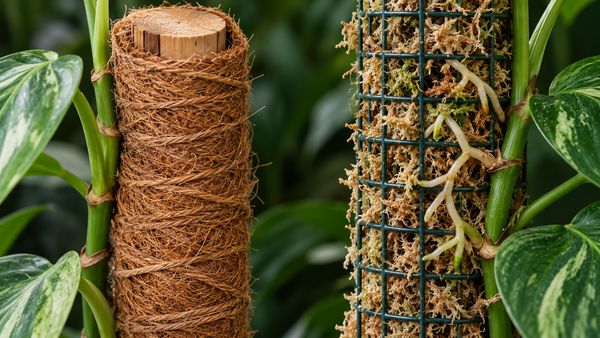
Field Notes
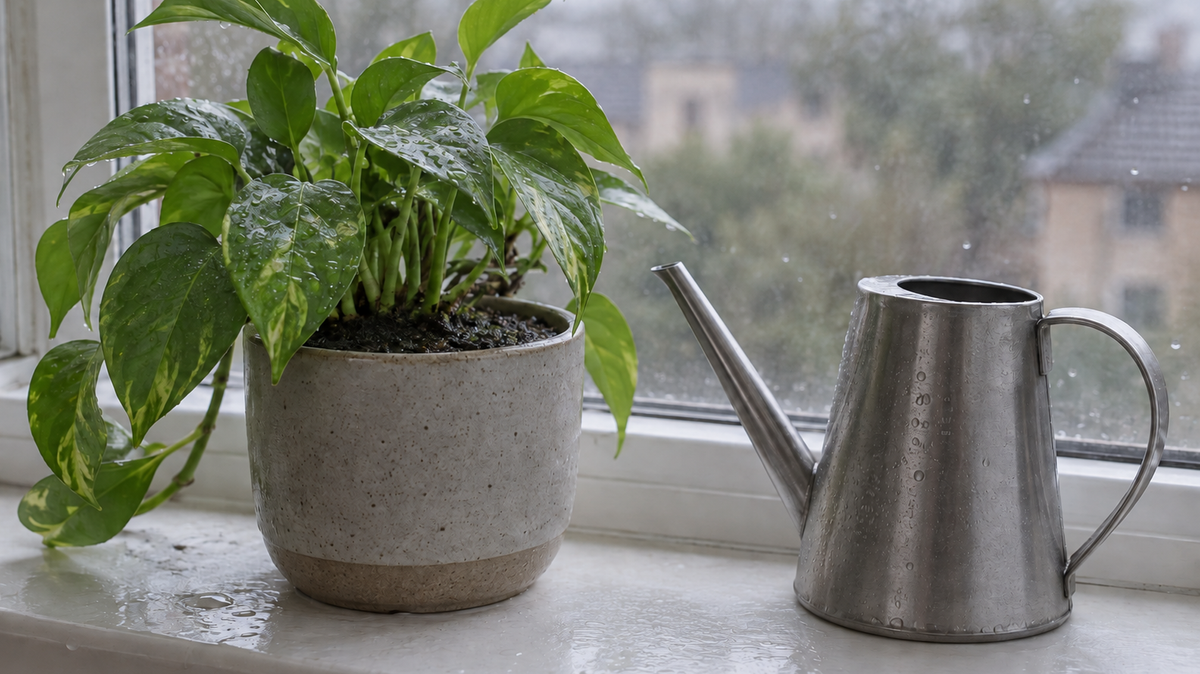
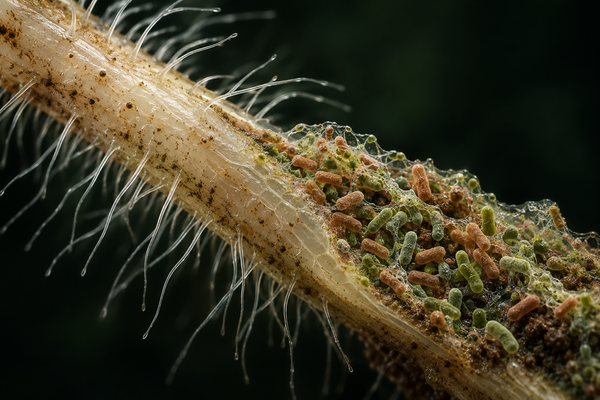
You Cannot See Them. You Cannot See Them Working, Either.
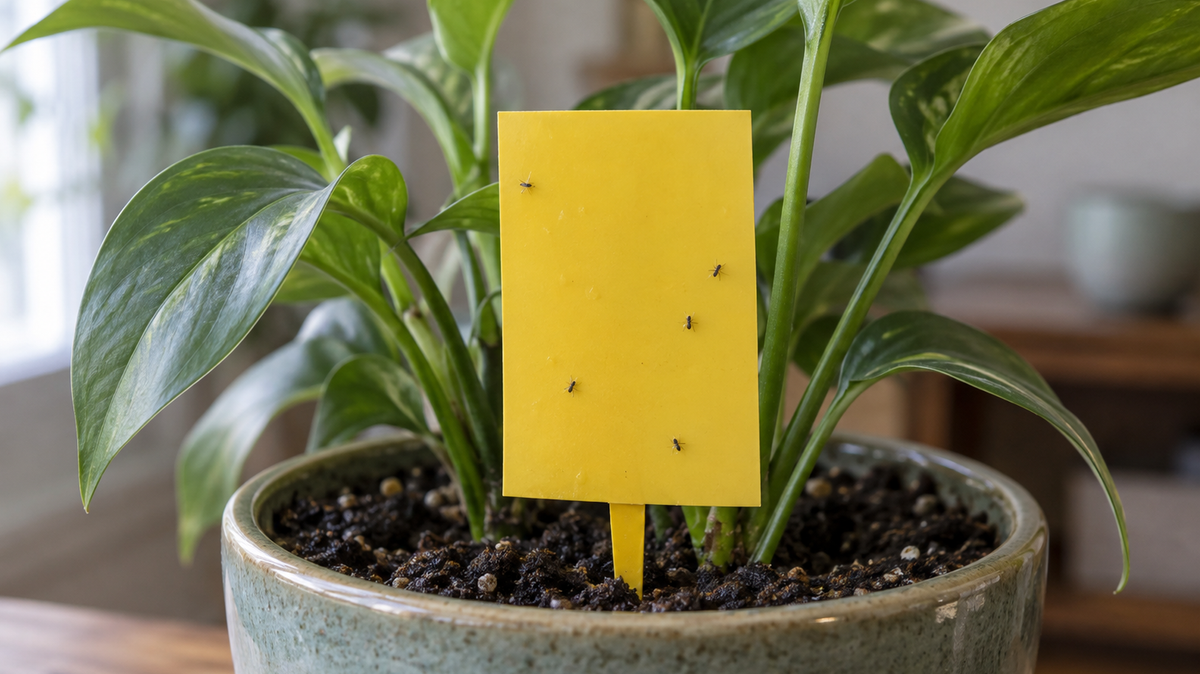
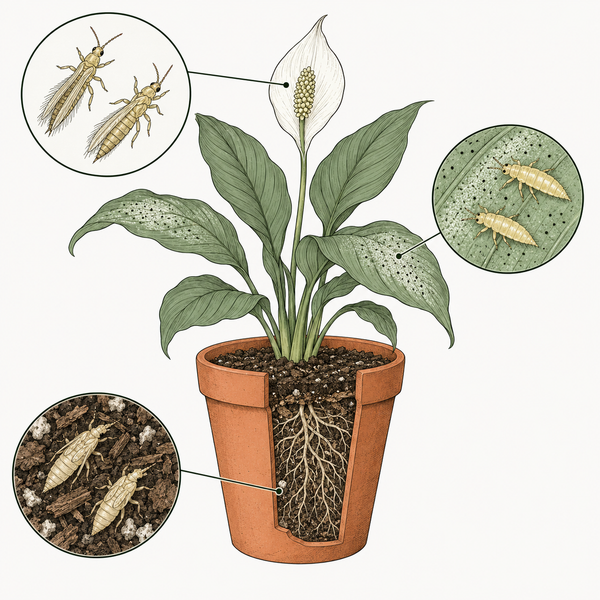
The Gnats You Can See Are Not the Ones You Treated.
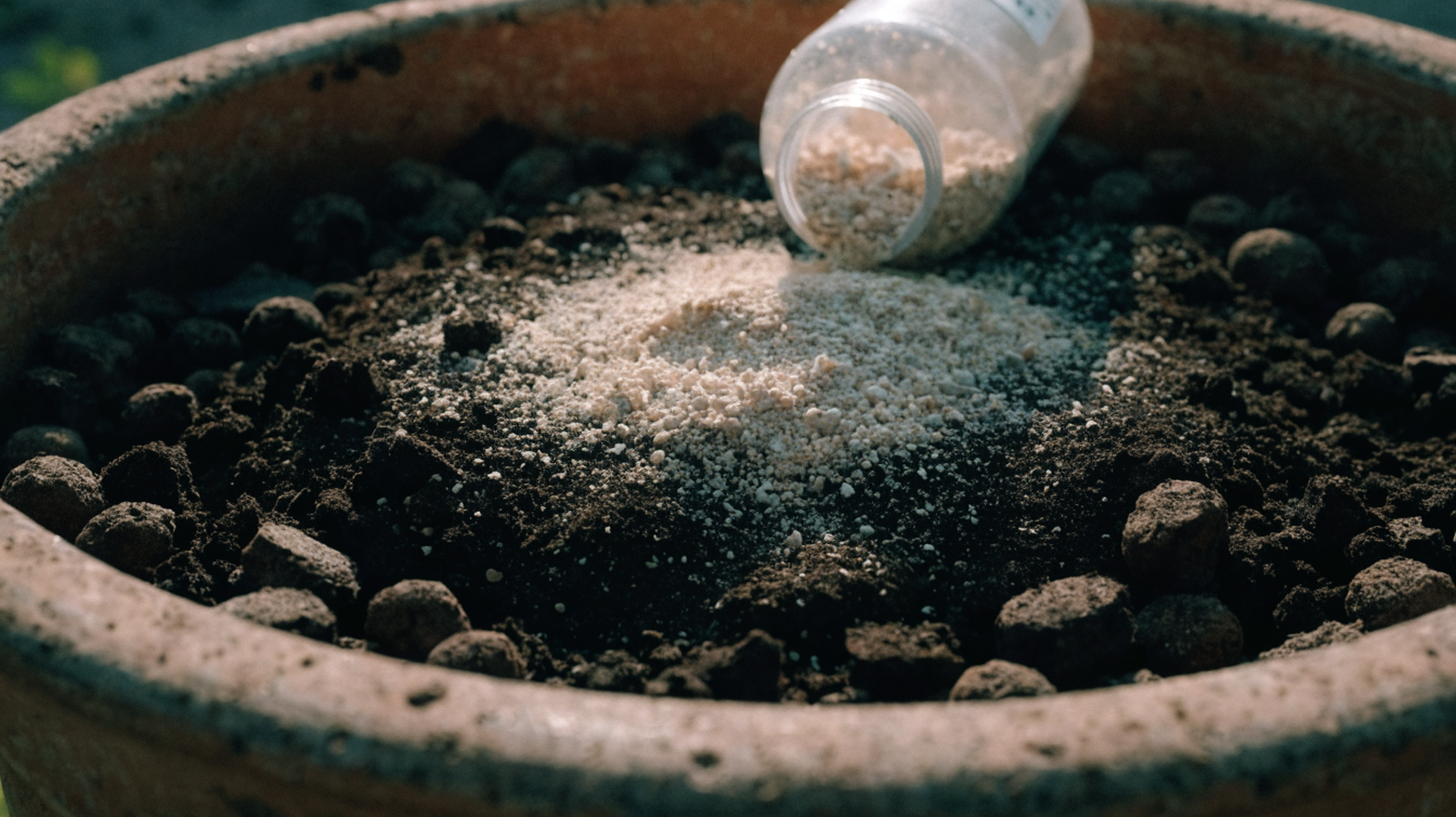
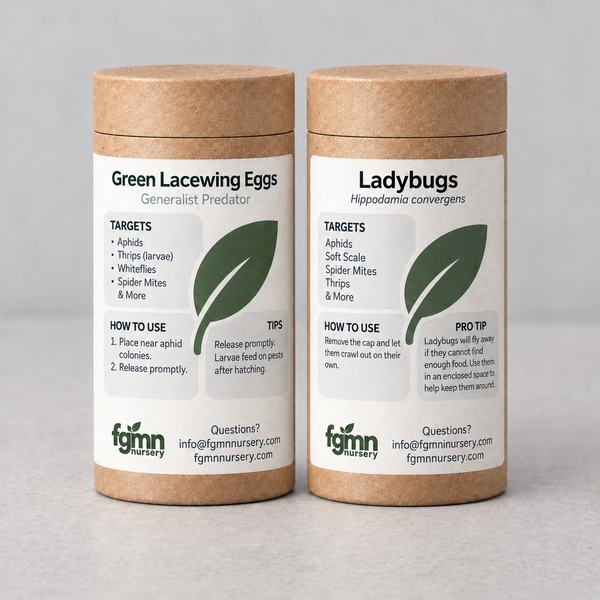
You Bought the Wrong Predatory Mite. So Did Everyone Else.
The soil mite you buy for fungus gnats has been sold under another species' name for fifty years, and it's credited with a prey list the science only partly supports. Here's what it is, what it eats, where it lives in the pot, and which claims on the label survive contact with the studies.
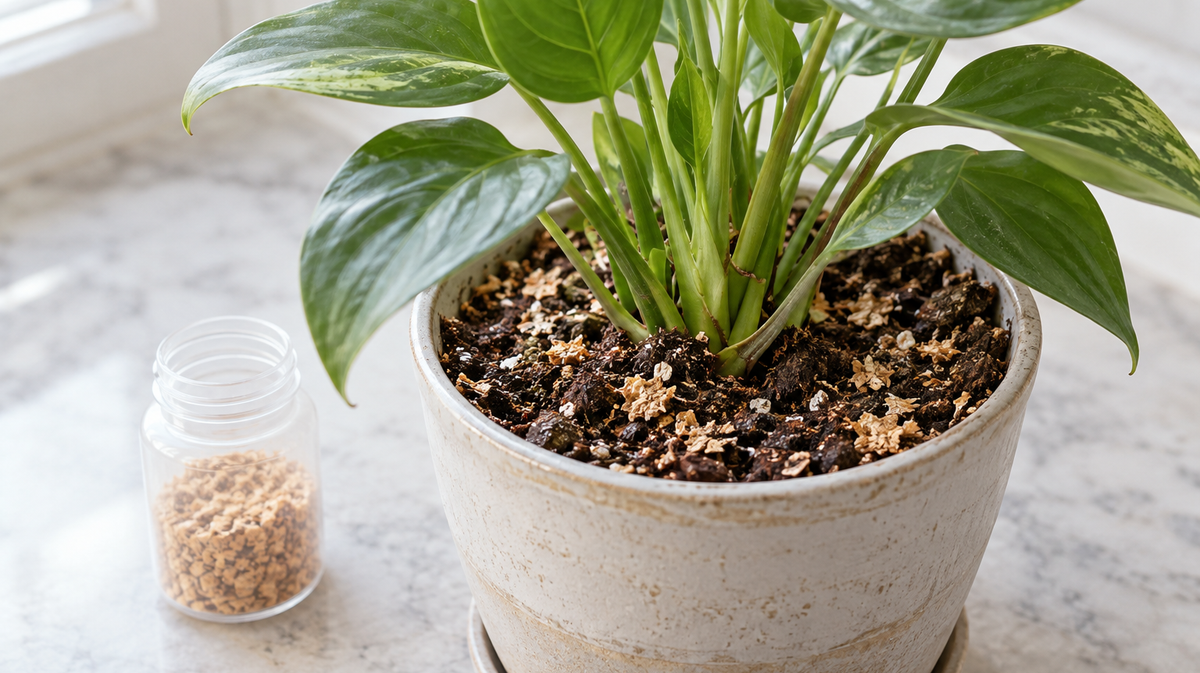
Stratiolaelaps Is Shake, Sprinkle, and Wait. Mostly Wait.
Soil mites are sold by the thousand and applied by the tablespoon, which makes it hard to know whether you've used enough. Here's where the numbers come from, how they convert into pots, and what the first month should look like on a sticky card.
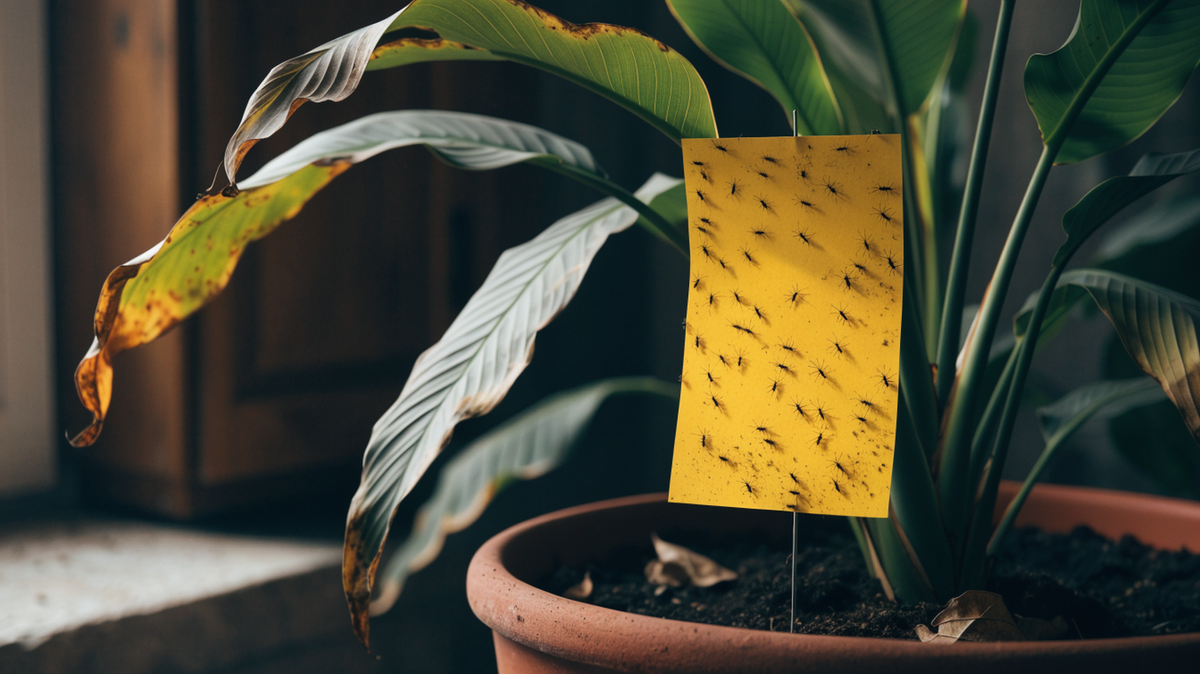
Your Stratiolaelaps Didn't Fail. Something Else Did.
Almost every "the mites didn't work" story traces back to one of nine causes, and most of them were decided before the bottle was opened. Here's each failure mode, the mechanism behind it, and the fingerprint that tells them apart.

Four Ways to Kill a Fungus Gnat. Two of Them Fight.
No published trial has ever put predatory mites, beneficial nematodes, rove beetles and Bti head to head under one protocol. What exists is a set of single-agent results answering different questions — how fast, how long, which life stages, and which of them eat each other.
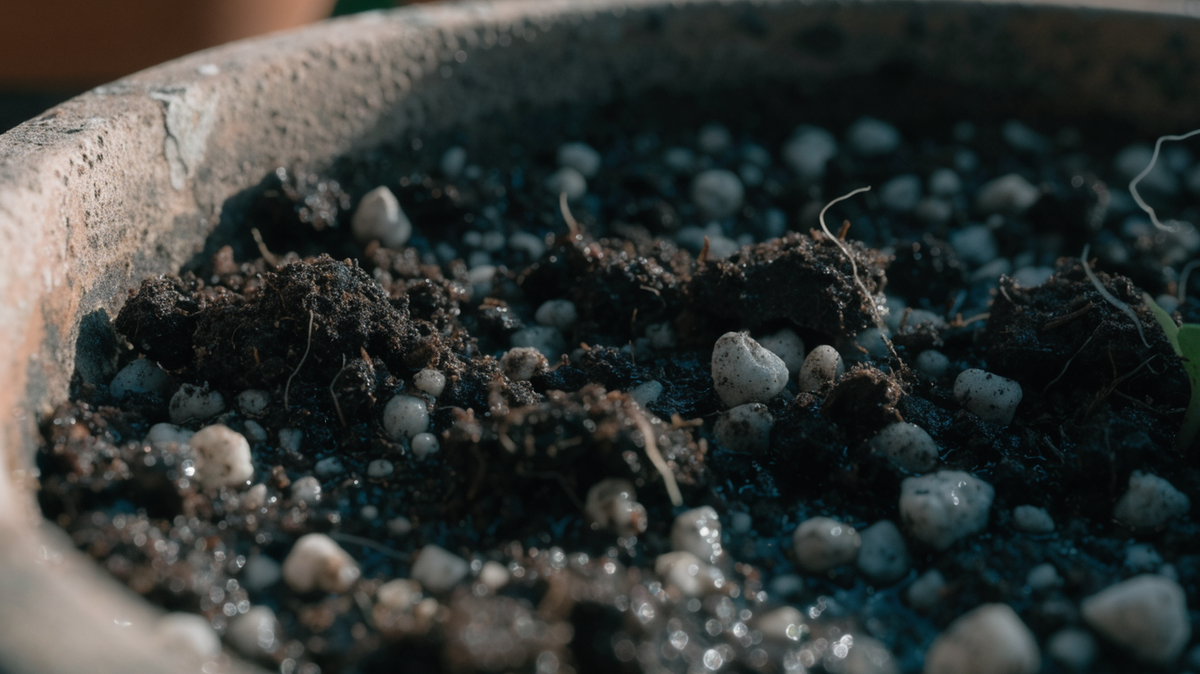
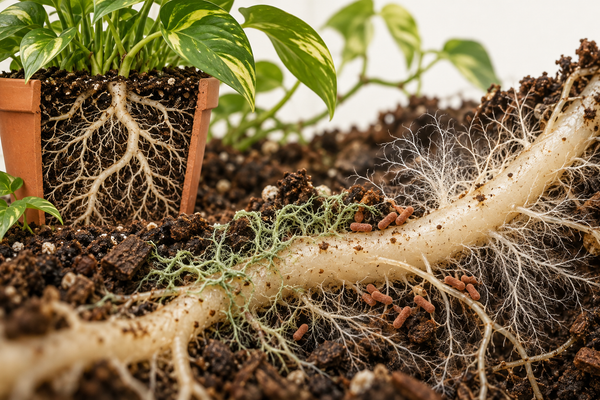
Fungus Gnat Larvae Live in One Inch of Soil. That's the Whole Game.
Soil isn't a material a predator moves through. It's a three-dimensional maze of pores, films and dead ends, and the size of those pores decides who hunts where. This is the physics underneath every soil biocontrol instruction you've ever been given.
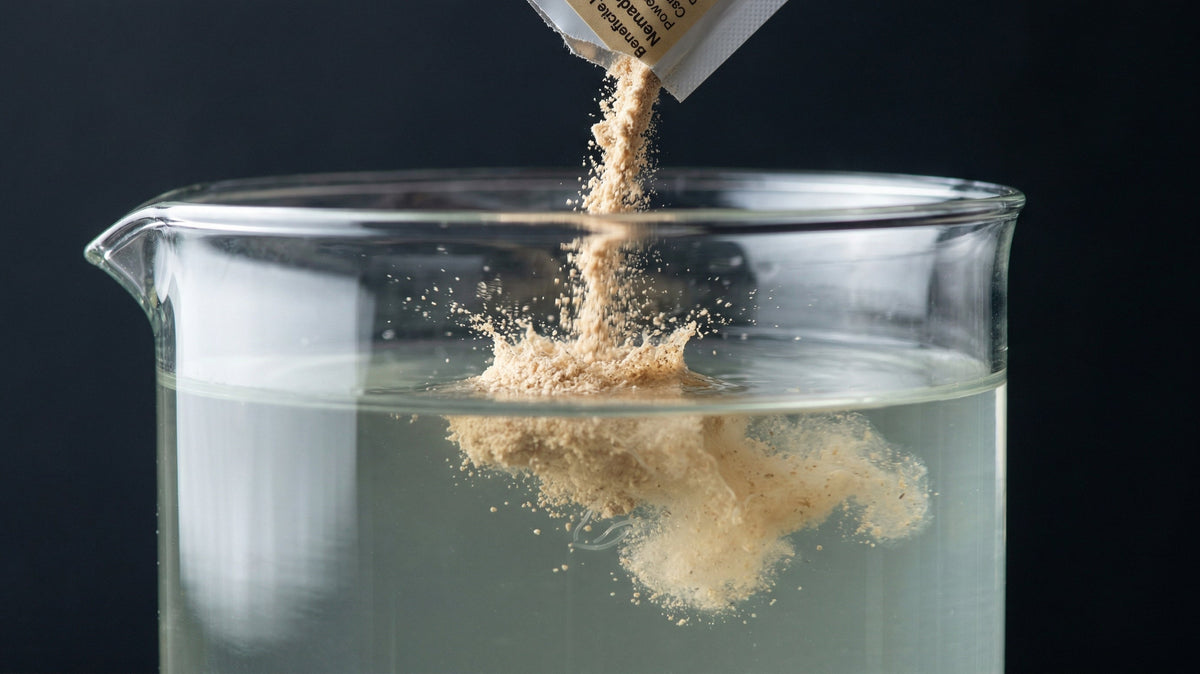
How Beneficial Nematodes Work: The Science of "Waking Up" Soil Predators
That packet of powder contains millions of living nematodes in a state of suspended animation — dried down, refrigerated, and waiting. Here's the biology that makes it possible, how they're produced at scale, and what actually happens in the fifteen minutes after you add water.
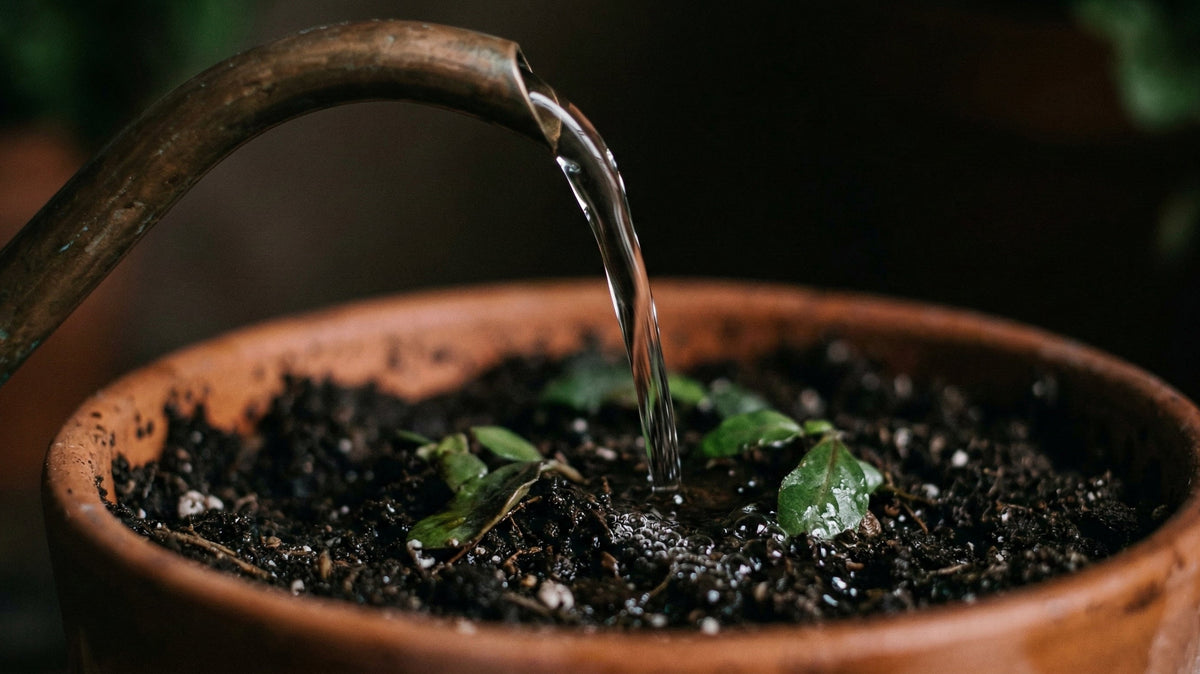
How to Dose Beneficial Nematodes (Without Losing Your Mind)
Not sure how many nematodes you need, or why your last application didn't work? This covers the dose, the timing, the water, the temperature — everything that actually matters.