



Field Notes
Cucumeris Catches Thrips Young
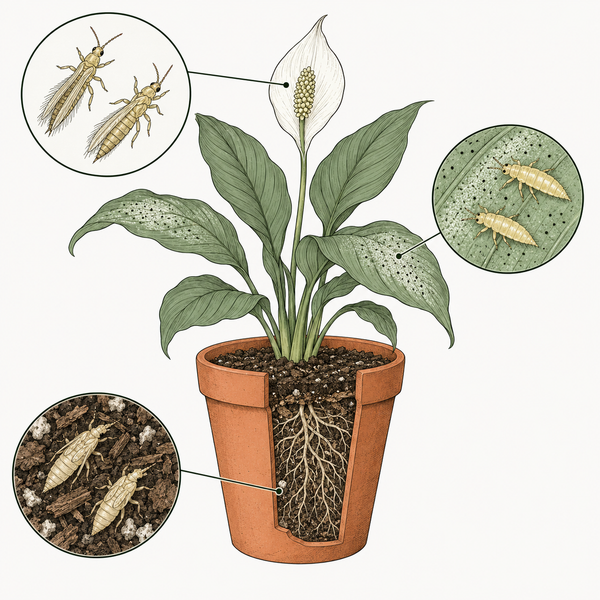
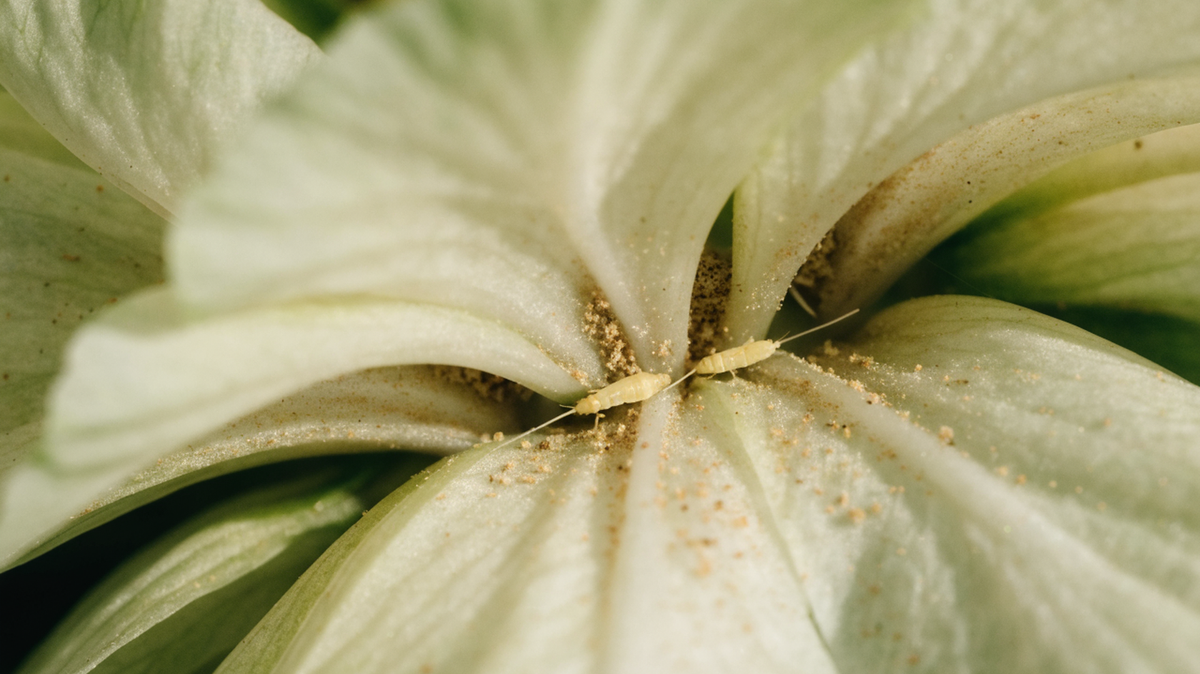
Follow a thrips through the stage cucumeris targets, and learn why catching young larvae changes future generations before it clears the adults you can see.
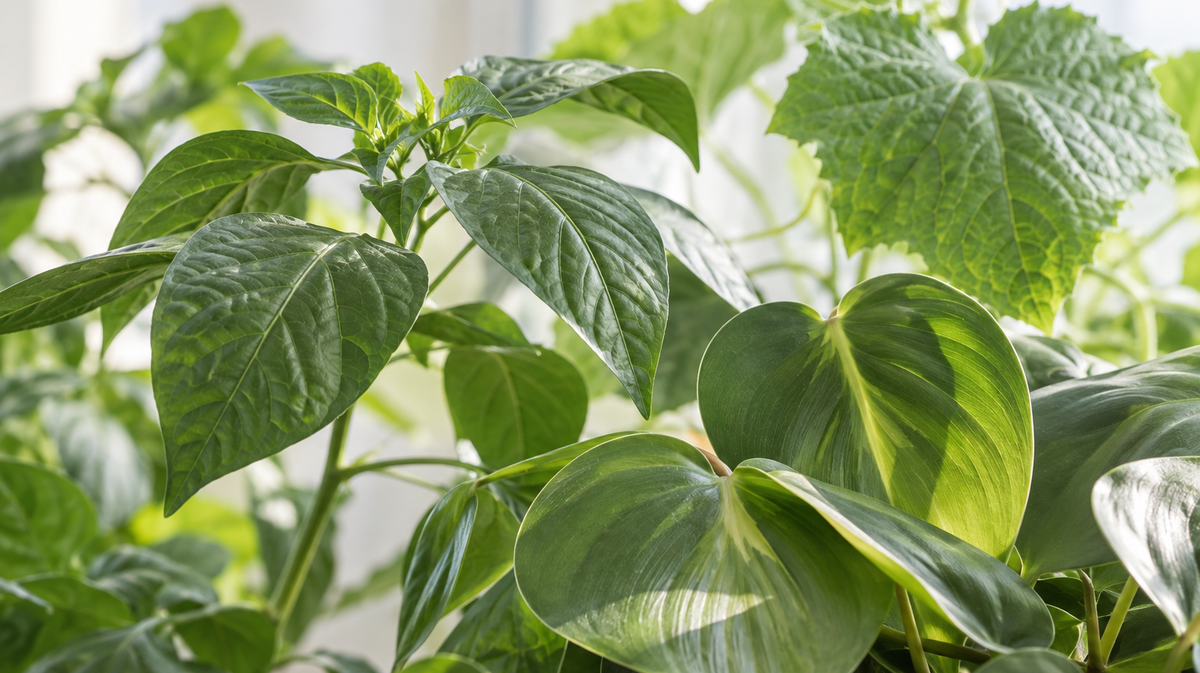
Four Mites Apply for the Thrips Job
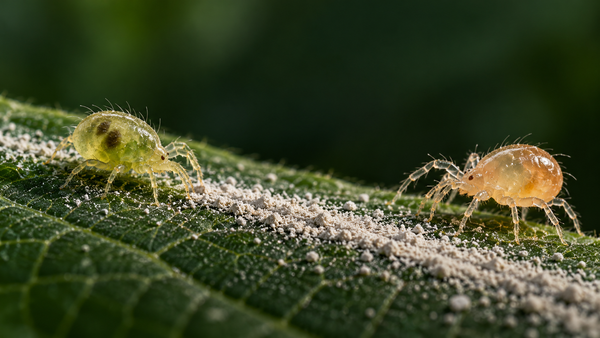
Compare cucumeris, swirskii, limonicus, and andersoni by the job they need to do on your plants—not just how many thrips they eat in a laboratory.
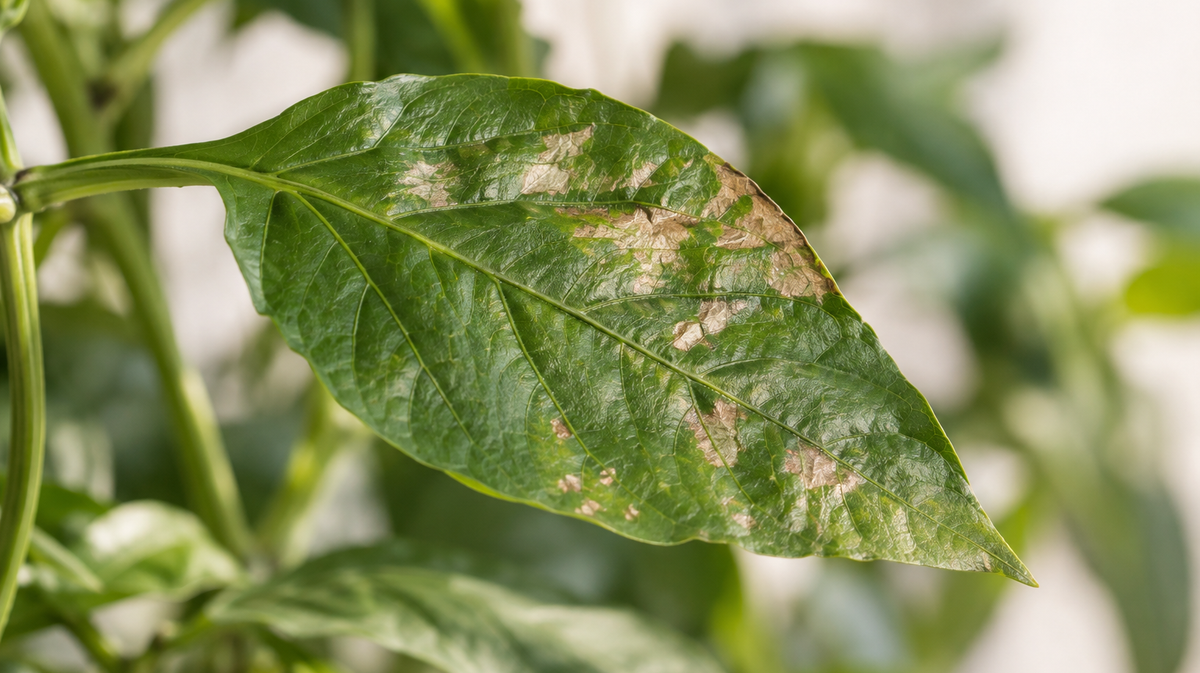
When Cucumeris Is Not Keeping Up
A connected troubleshooting path from live thrips counts to coverage, conditions, prey stages, and a better repeat-treatment plan.

Cucumeris Sachets Need a Good Address
Why sheltered placement and plant coverage affect cucumeris sachets, and how to use those lessons in a prevention program.

Cucumeris Has a Small Target
What cucumeris does in a thrips program, why adults can remain after release, and where treatment and prevention fit.