


Field Notes
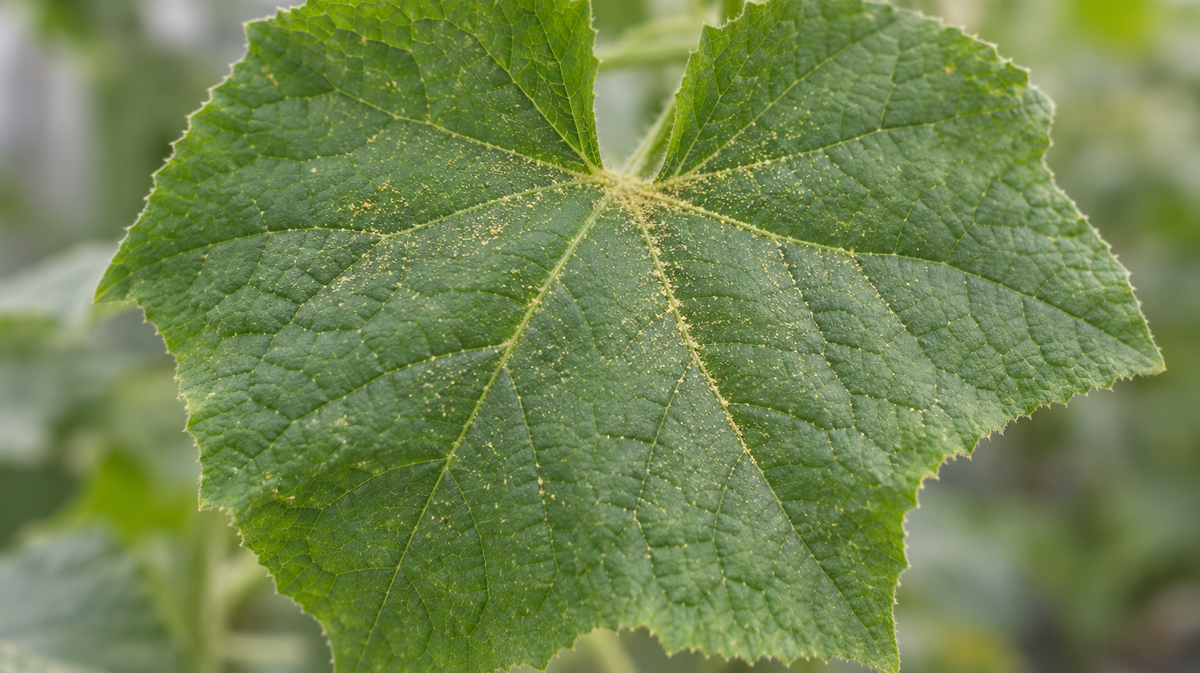
Pollen Feeds More Than Your Mites
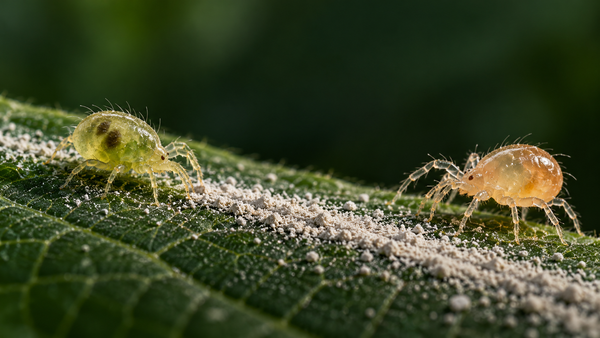
A pollen-fed Amblyseius swirskii kills 34–60% fewer pests than a hungry one. Whitefly control improved anyway, because there were five times as many mites. That trade decides one thing for you immediately: if your pest is thrips, pollen is the wrong food, because thrips eat it too.
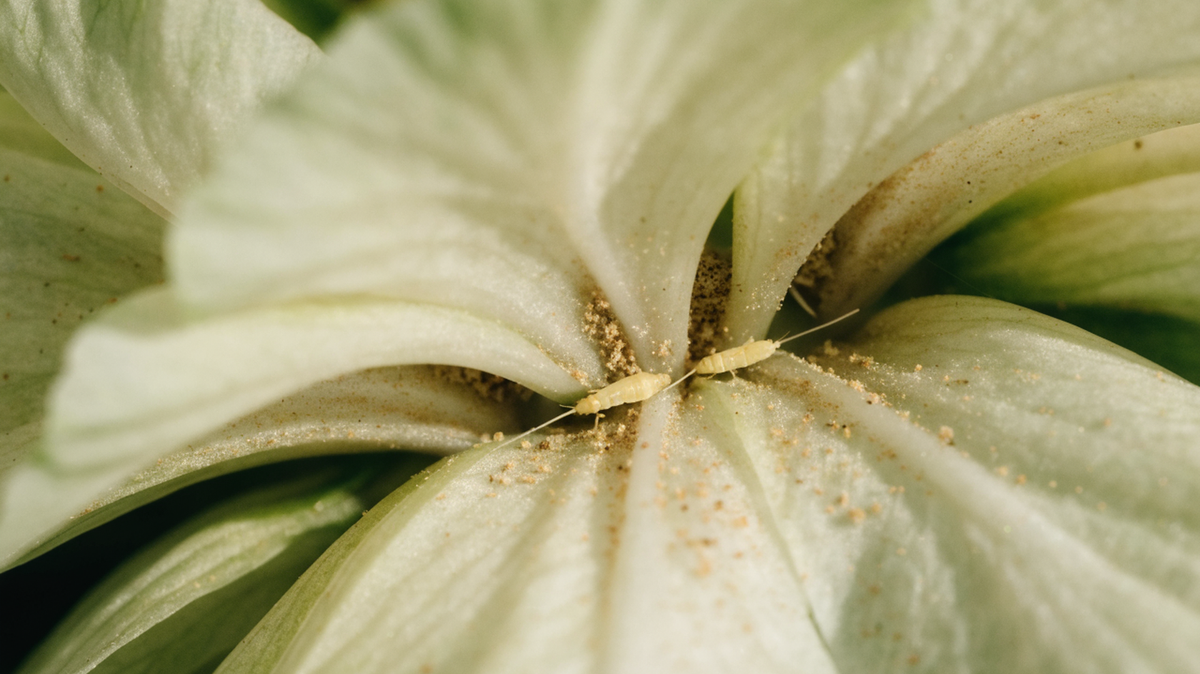
Cucumeris Catches Thrips Young
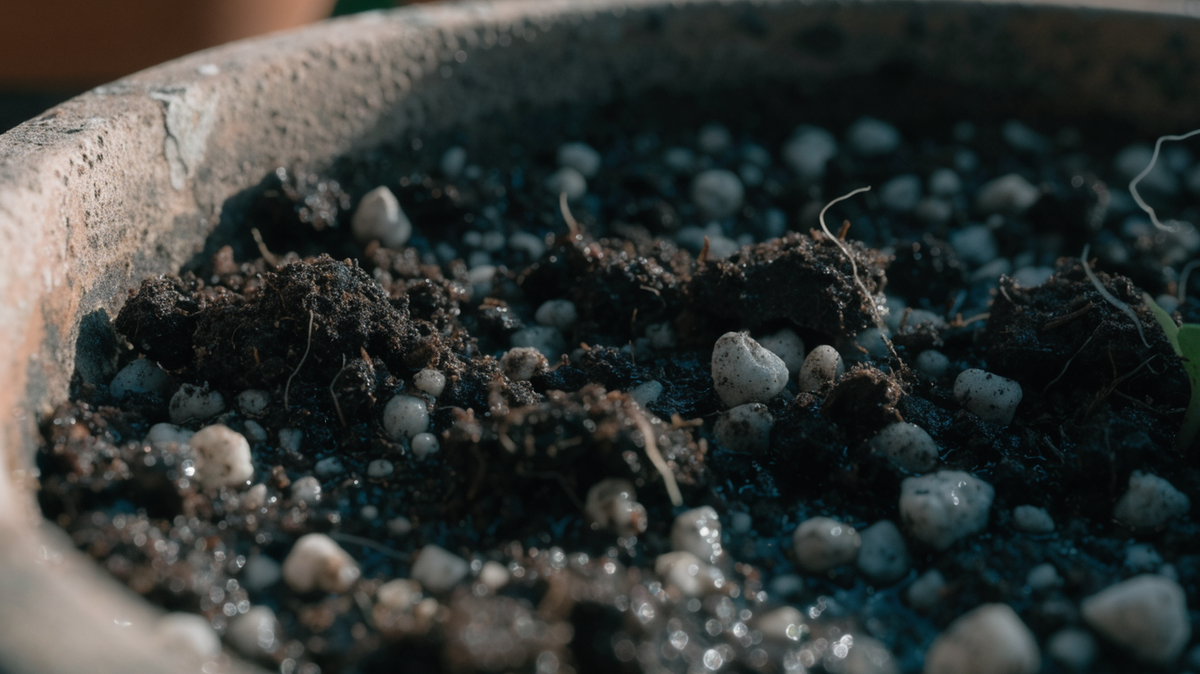
Fungus Gnat Larvae Live in One Inch of Soil. That's the Whole Game.
Soil isn't a material a predator moves through. It's a three-dimensional maze of pores, films and dead ends, and the size of those pores decides who hunts where. This is the physics underneath every soil biocontrol instruction you've ever been given.
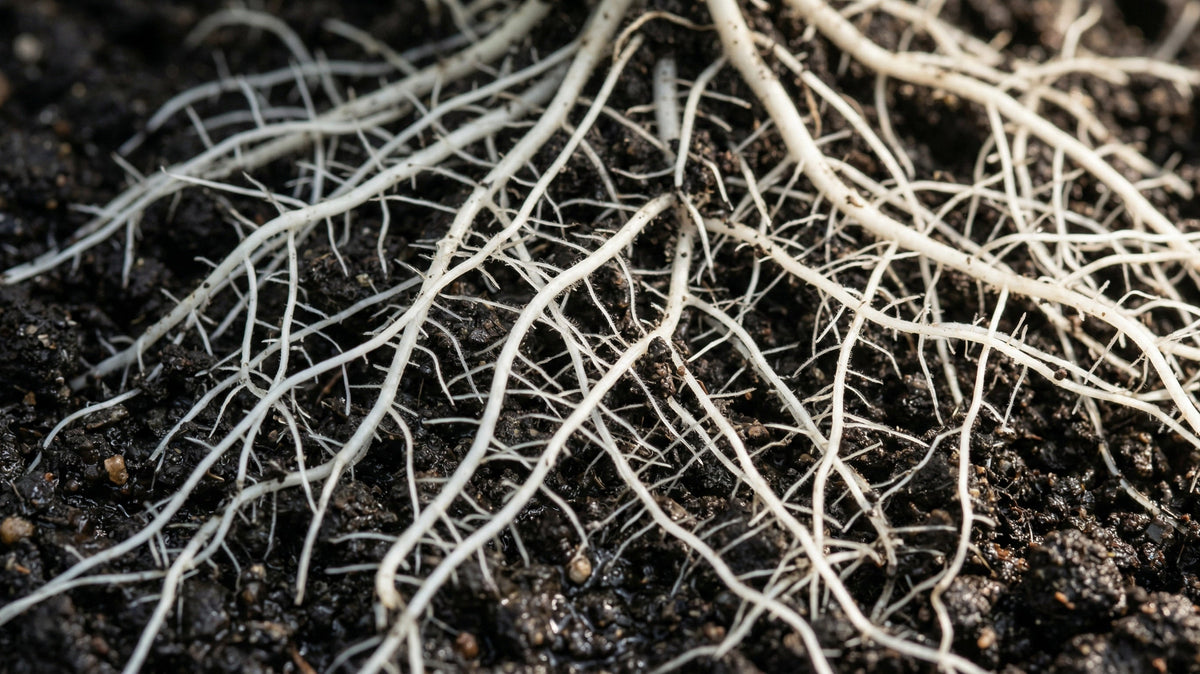
The Fungus That Fights for Your Roots
T22 is not a pesticide. It's a fungus that colonises plant roots, hunts and eats soil pathogens, produces antifungal compounds that diffuse through the root zone, and simultaneously triggers the plant's own immune system. Then, separately from all of that, it makes your roots bigger and your nutrients more available. Here's how each of those things actually works.
The Hidden Weather That Shapes Plant and Predator Life
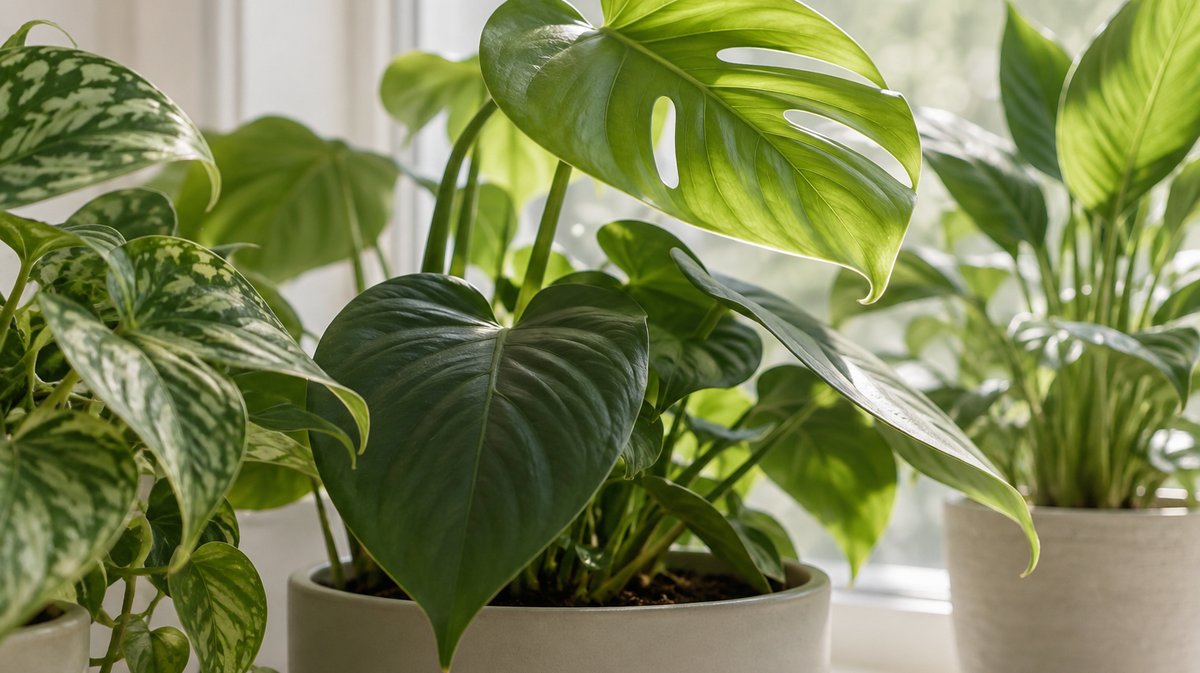
Invisible weather shapes every growing space. Warm air pools under lights, cool air settles near the floor, and in between, tiny predators decide where they’ll thrive. Learn how microclimates influence the balance between plants, pests, and the mites that keep them in check.
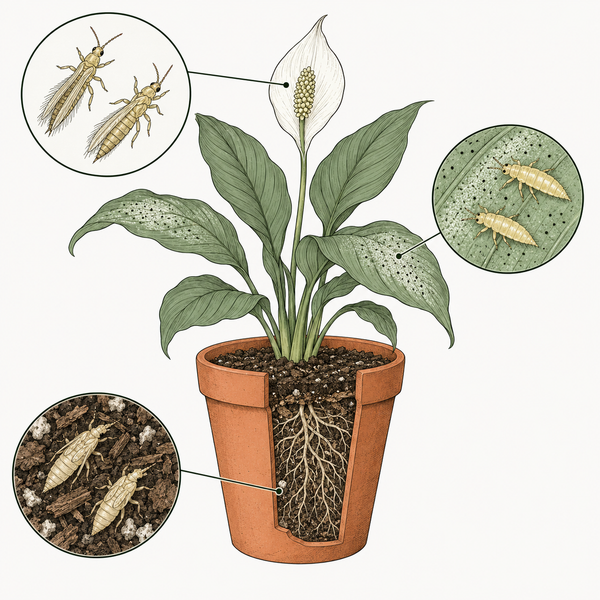
Thrips Leave More Than Marks
How Predatory Mites Use Chemical Signals
Predatory mites don’t just hunt—they communicate. Plants call for backup with chemical signals, predators leave scent trails, and entire ecosystems shift in response. These invisible conversations shape how pests are controlled, long before you see results on the leaves.