



Field Notes
Follow the Pests After Release
Follow pest activity and fresh plant damage after a predatory mite release, with consistent observations and clear steps for reassessing treatment.
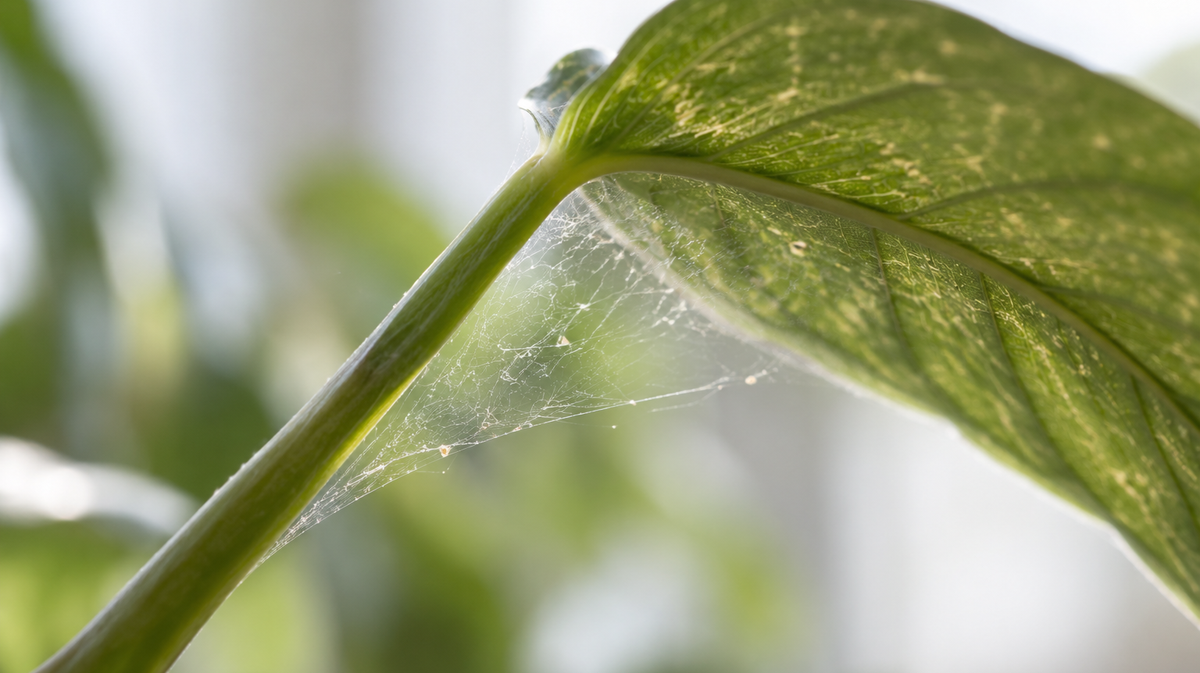
My Plant Has Webbing. Help.
Webbing on a plant isn't always spider mites — and the mite that causes the most damage indoors doesn't produce webbing at all. Here's how to tell what you're actually looking at before you treat.

Limonicus Was Worth the Wait
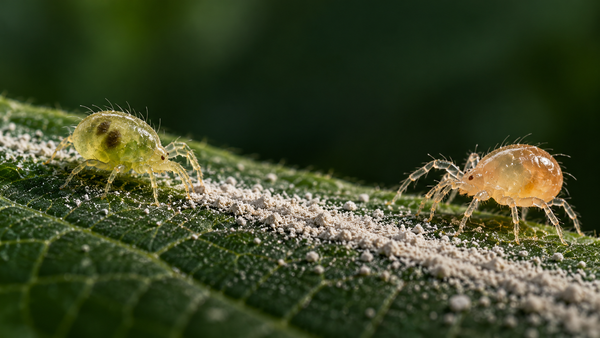
Most predatory mites do one thing well. Limonicus hunts thrips, whitefly, and spider mites — and survives on pollen when there's nothing left to kill. Meet biocontrol's most versatile generalist.
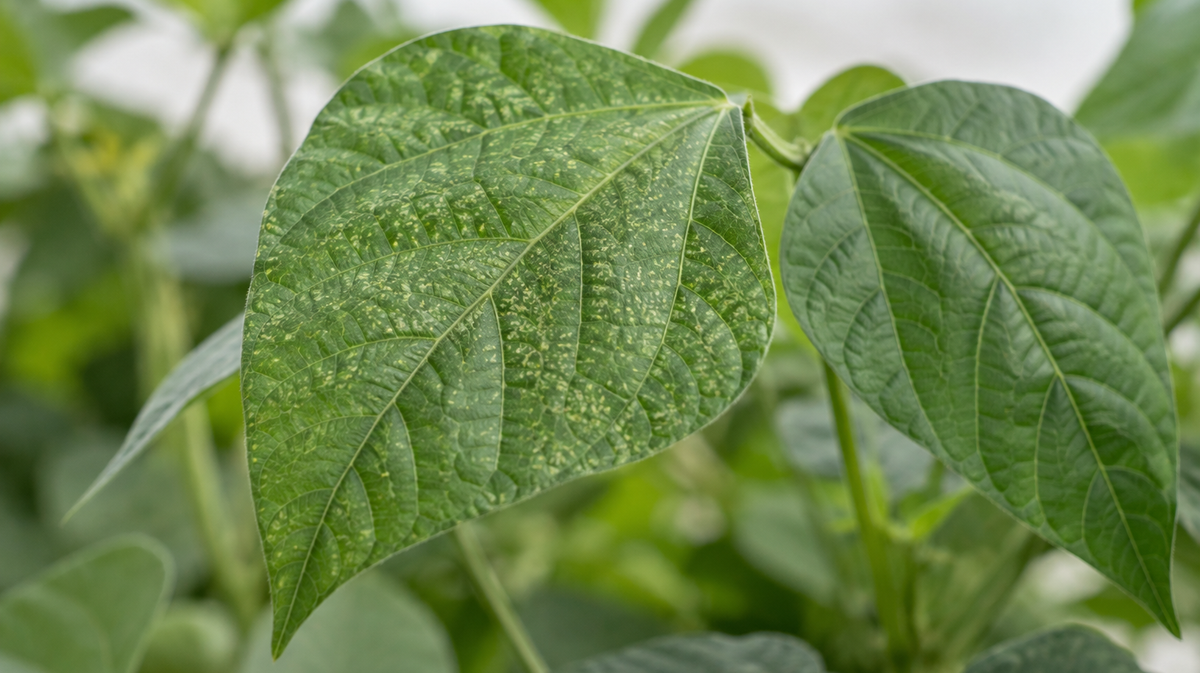
How Predatory Mites Use Chemical Signals
Predatory mites don’t just hunt—they communicate. Plants call for backup with chemical signals, predators leave scent trails, and entire ecosystems shift in response. These invisible conversations shape how pests are controlled, long before you see results on the leaves.