




Field Notes
Andersoni Has Other Dinner Plans
Californicus Is Tough, Not Indestructible
Troubleshoot returning spider mites by checking live pests, release coverage, heat, humidity, spray history, and gaps between prevention sachets.
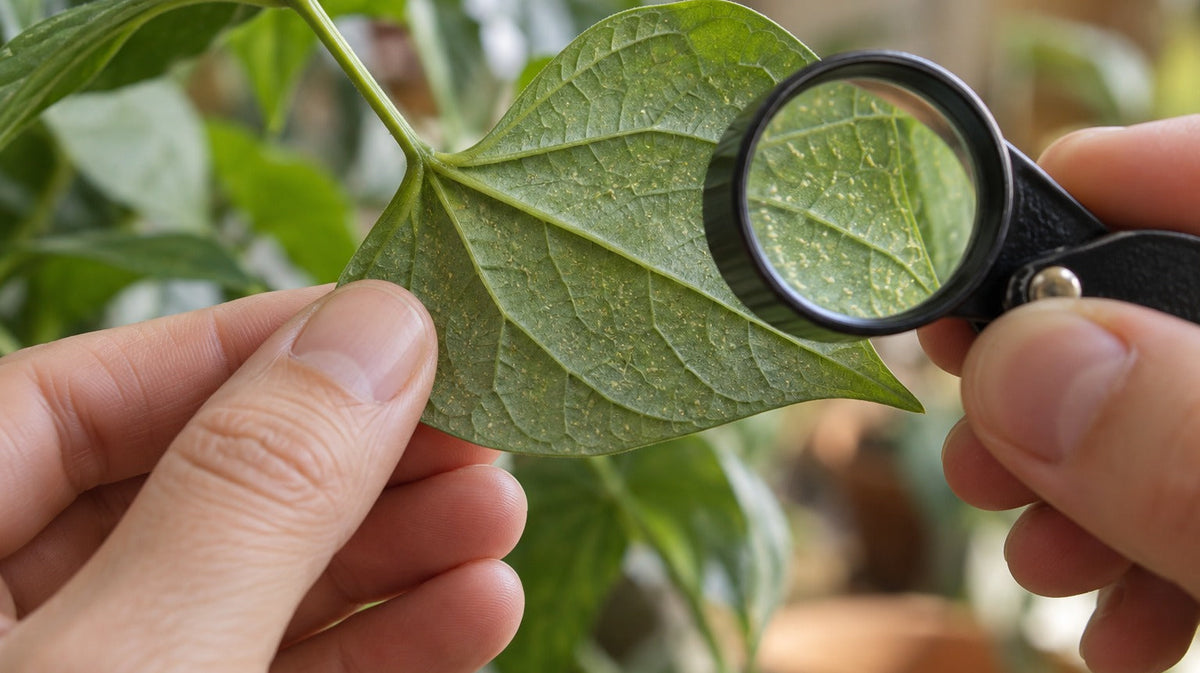
Is Californicus Working?
Judge Californicus by live spider mites, spreading damage, and new growth—not by whether old leaves heal or every predator stays visible.

Put Californicus Where the Mites Are
Use Californicus bottles for active spider mites and sachets for prevention. Learn placement, repeat-release planning, and how to protect the predators.
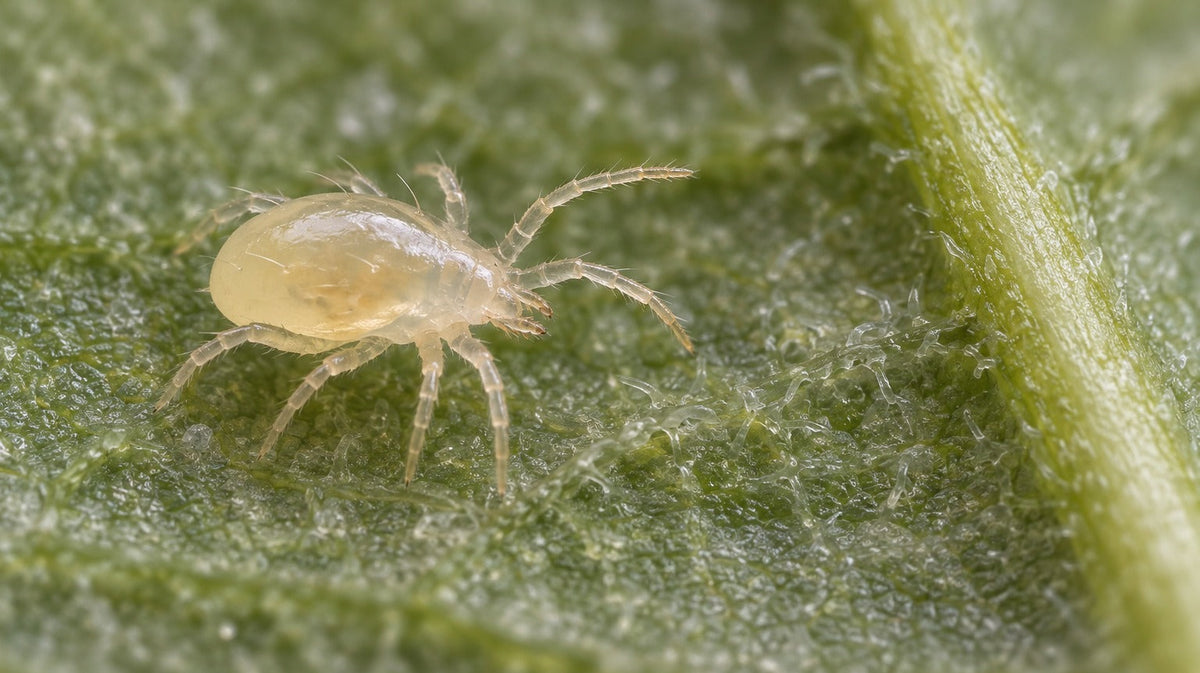
Californicus Has Options
Meet Californicus, the predatory mite used against spider mites. Learn how it finds prey, what else it eats, and why staying power has limits.
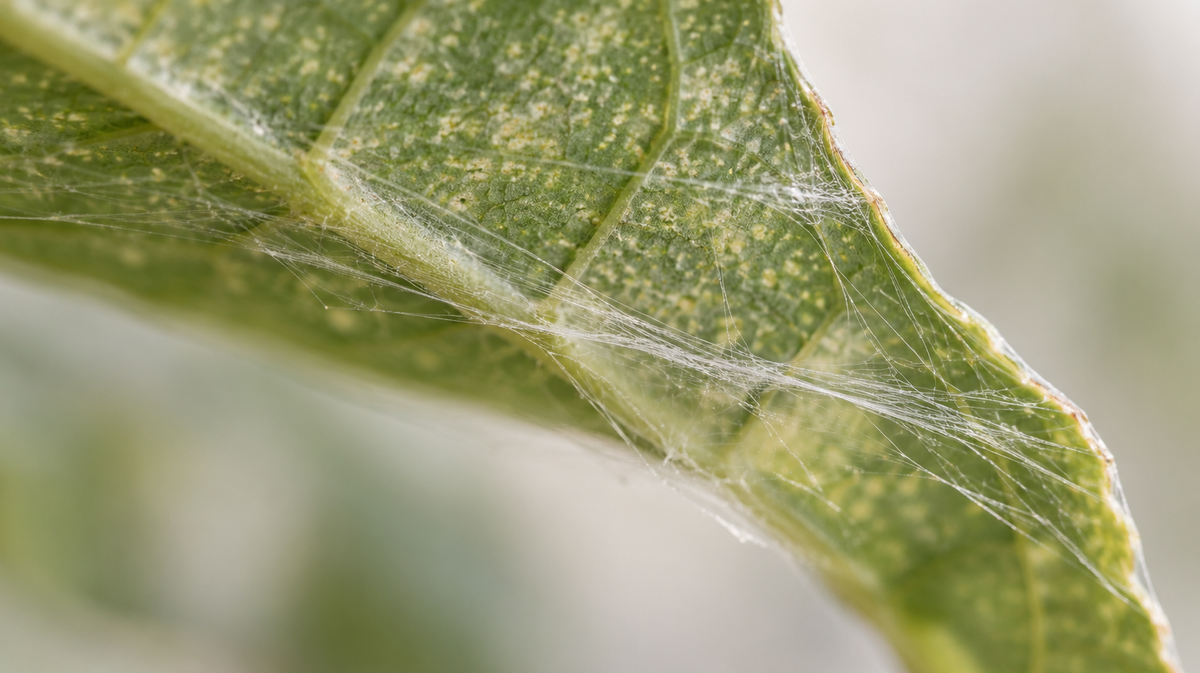
Spider Mites Brought Their Own Security

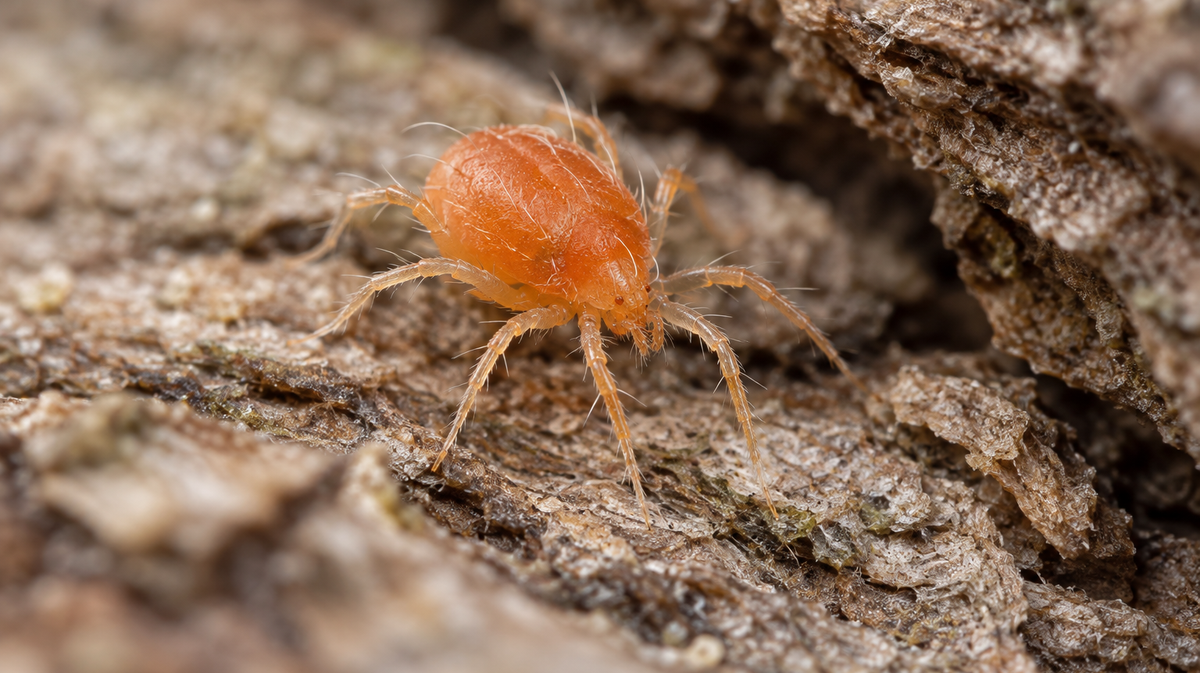
Spider Mites Have Winter Plans
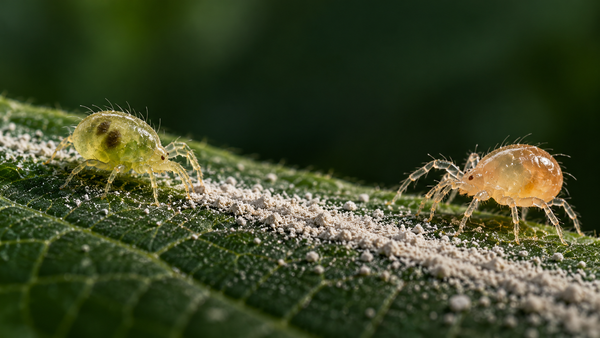
Some spider mites turn orange as winter approaches. Behind the costume change is a survival strategy involving long nights, borrowed fungal genes, and plans for spring.
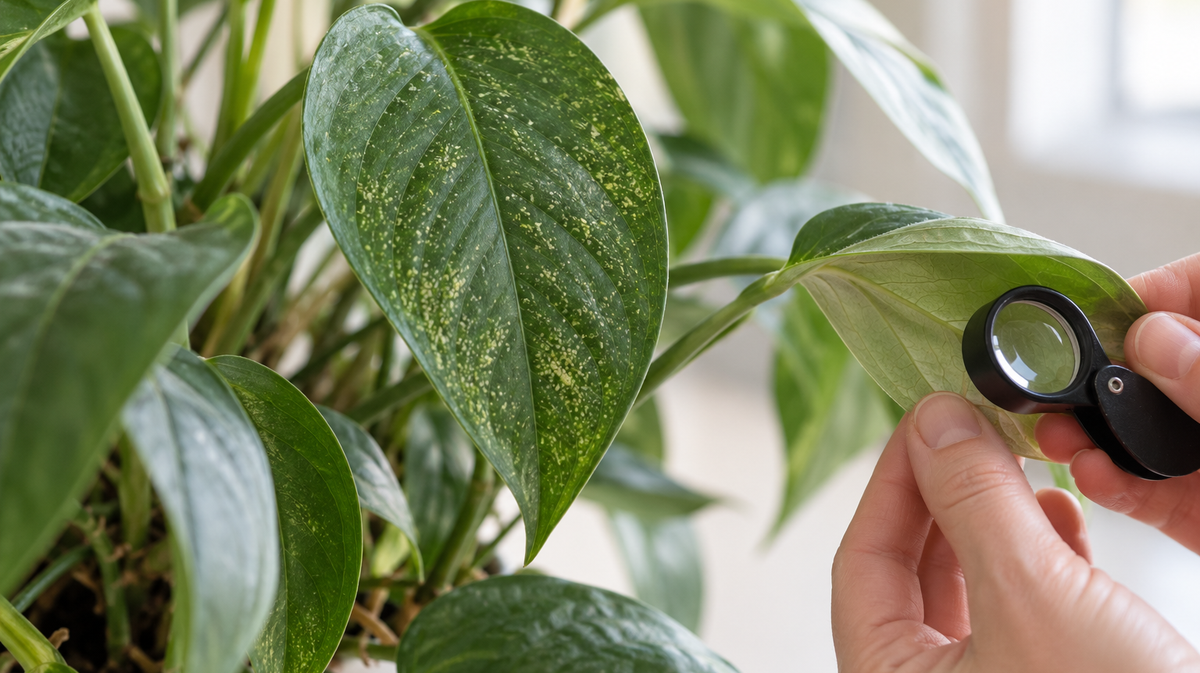
Spider Mites Are on the Menu
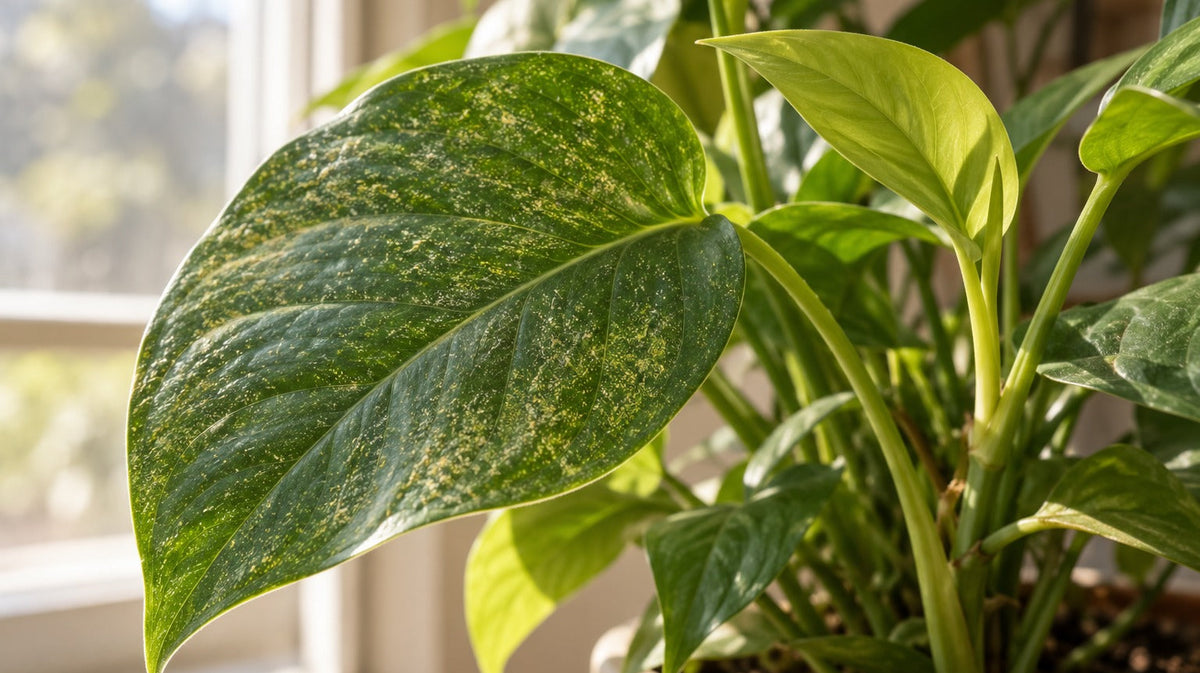
You released the predators. Your plant still looks terrible. Here’s how to tell whether the spider mites are losing ground—even before the leaves give you anything to celebrate.

Californicus or Persimilis?
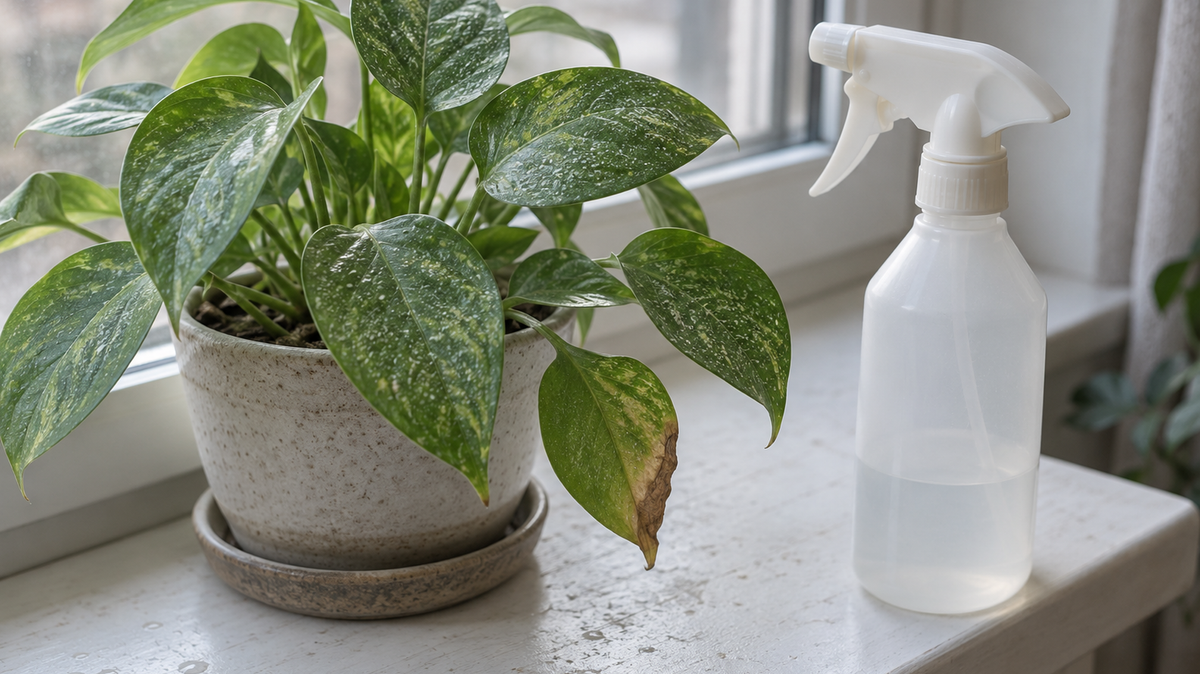
You Did Not Lose to a Spider Mite. You Lost to Ninety-Six of Them.
Seven Ways To Waste Your First Mite Release
Nearly all of these are decisions rather than products, which is the good news: a decision can be made differently next time. The most expensive one is buying a second lot to fix a first lot, when the room was the problem both times.