

Field Notes
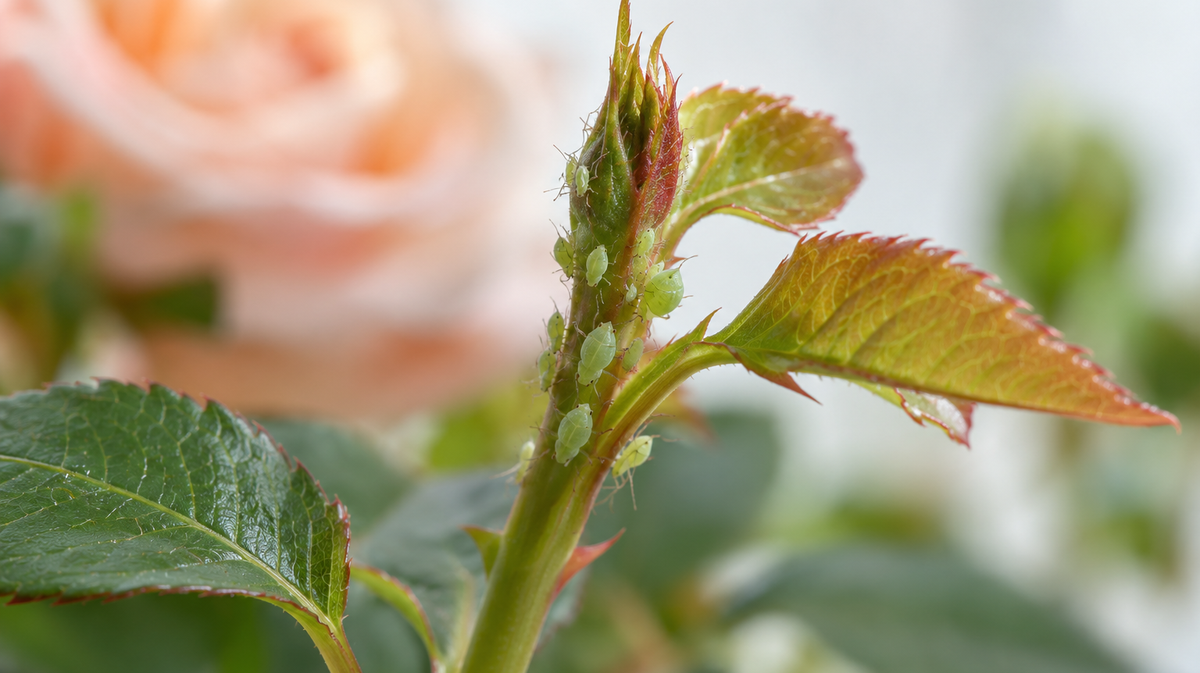
Four Ways to Ruin an Aphid's Day
Ladybugs, lacewing larvae, Aphidius wasps and Aphidoletes midges are not four strengths of the same thing. Three of them arrive, work and are finished. One of them leaves a next generation inside the colony, which is the difference that decides most cases.
Beneficials Aren't OMRI Listed. That's The Point.
Go looking for an OMRI seal on a tube of predatory mites and you will not find one — on ours or on anybody's. The usual explanation is that you cannot certify something alive, and that explanation is wrong. Releasing beneficials is a practice rather than an input, and a practice has nothing in it for anyone to review.
Thrips Never Seem To Go Away
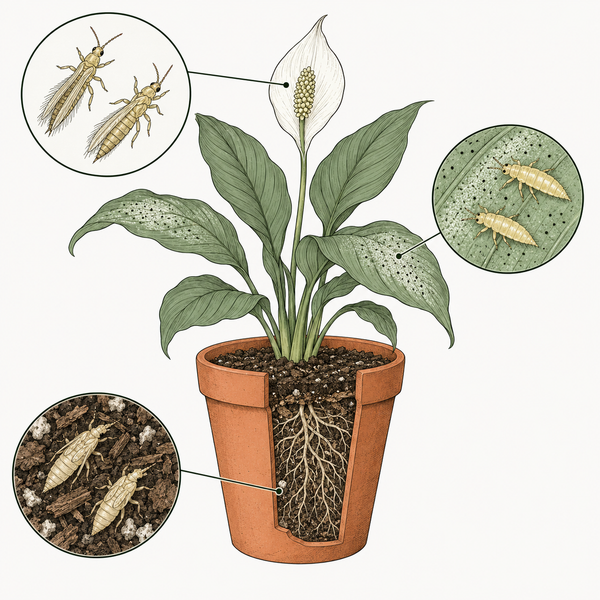
Not on the underside — inside it. Which means that when you sprayed, a large share of the thrips on that plant were sealed in plant tissue or sitting in the potting mix, where nothing applied to a leaf goes. They were never killed, and they arrived on schedule.
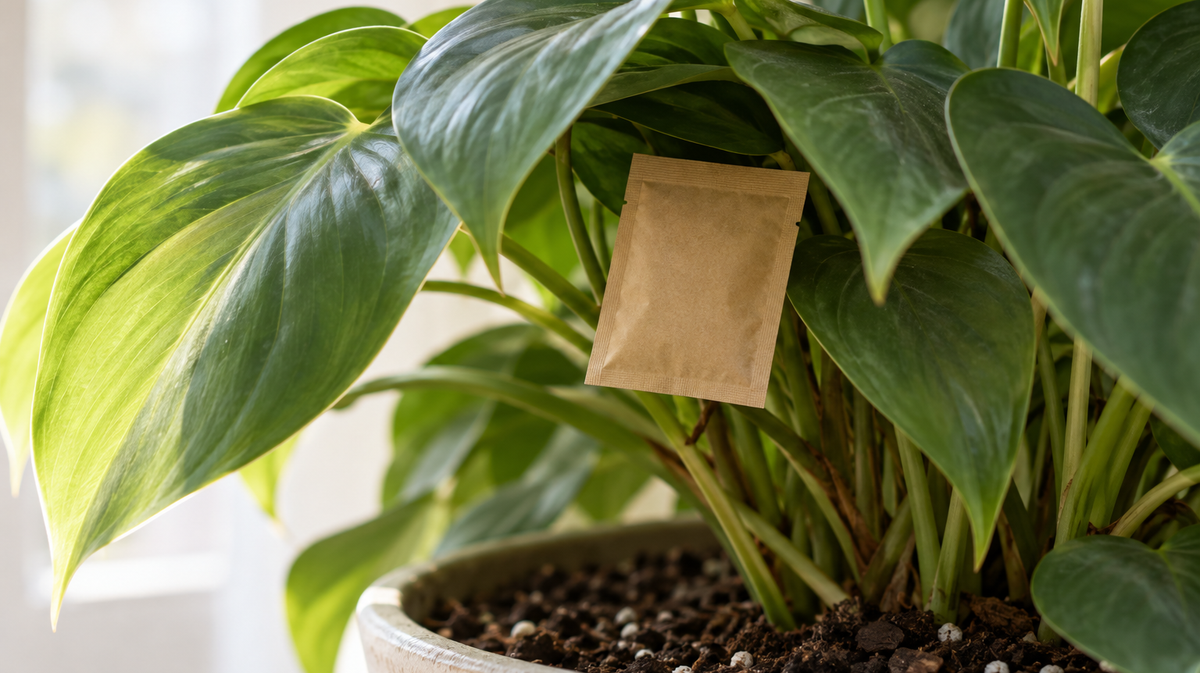
Swirskii Needs More Than a Warm Room
How warmth, drying air, and sachet placement interact, and why to measure the environment near the foliage.
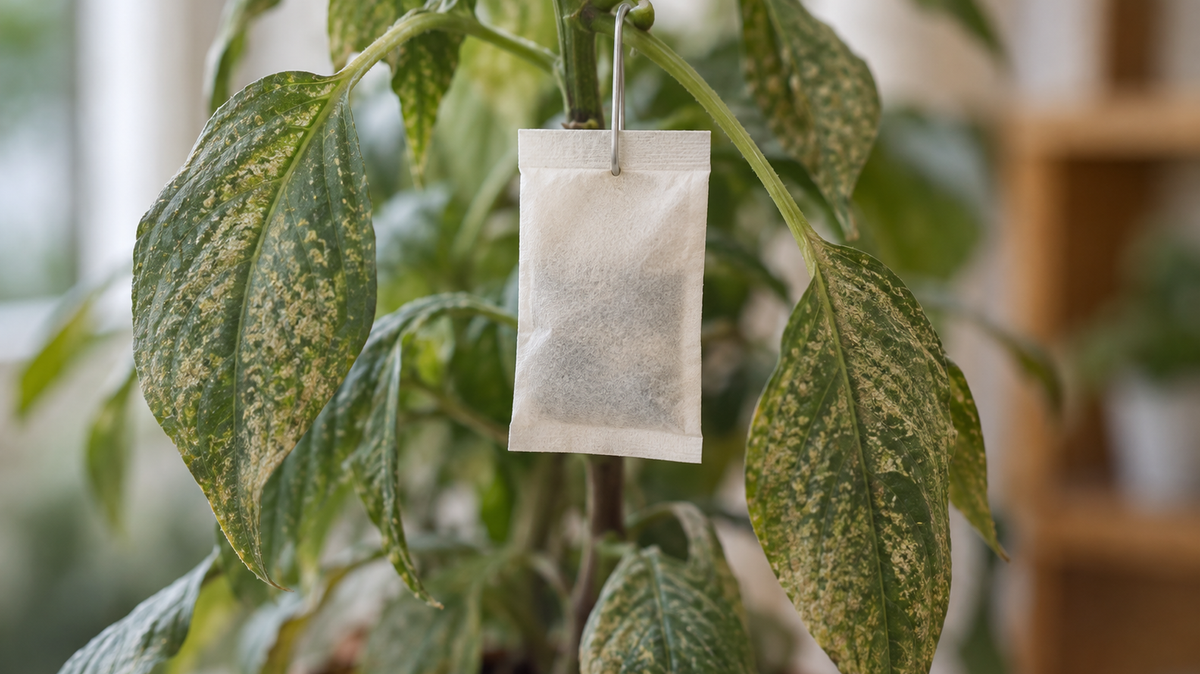
When Swirskii Is Not Keeping Up
Trace an unsuccessful swirskii release from pest trends through delivery, conditions, and treatment coverage before repeating it.
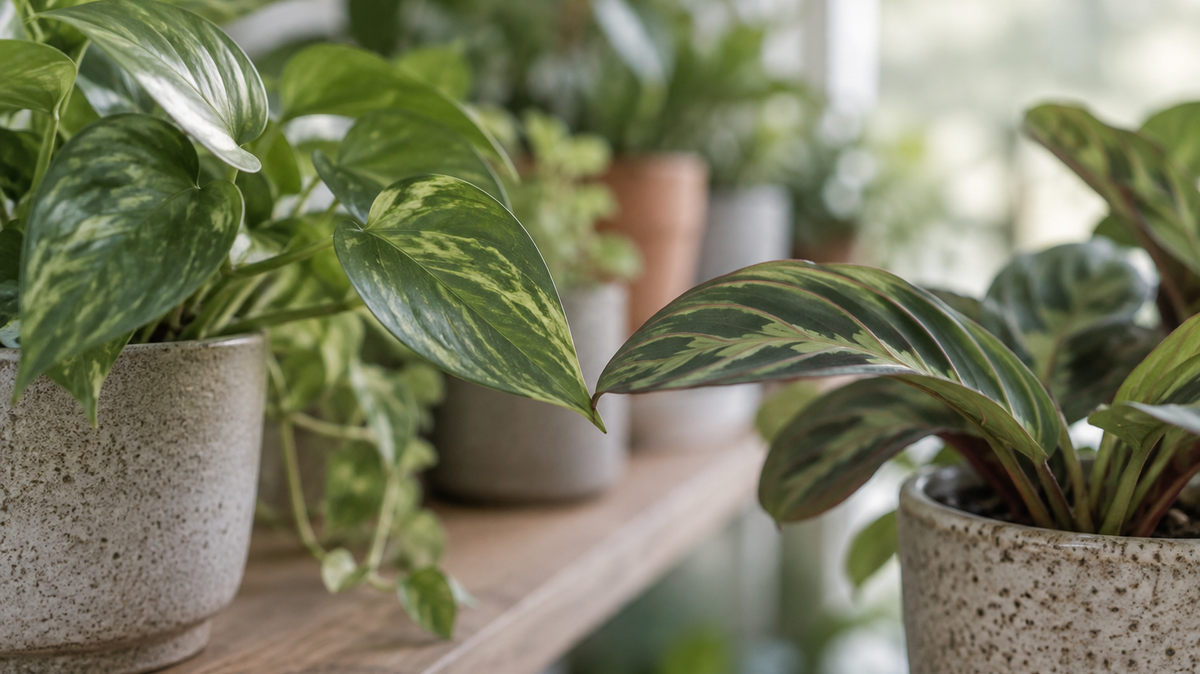
Swirskii Per Plant Or Per Square Foot?
Every commercial rate for this animal is written per unit of area, because a greenhouse bench is one continuous canopy. Convert that onto a shelf of separate pots and the arithmetic gives you a comfortable number while most of your plants get nothing.
Seven Ways To Waste Your First Mite Release
Nearly all of these are decisions rather than products, which is the good news: a decision can be made differently next time. The most expensive one is buying a second lot to fix a first lot, when the room was the problem both times.
Follow the Pests After Release
Roll Your Swirskii Bottle Before You Open It
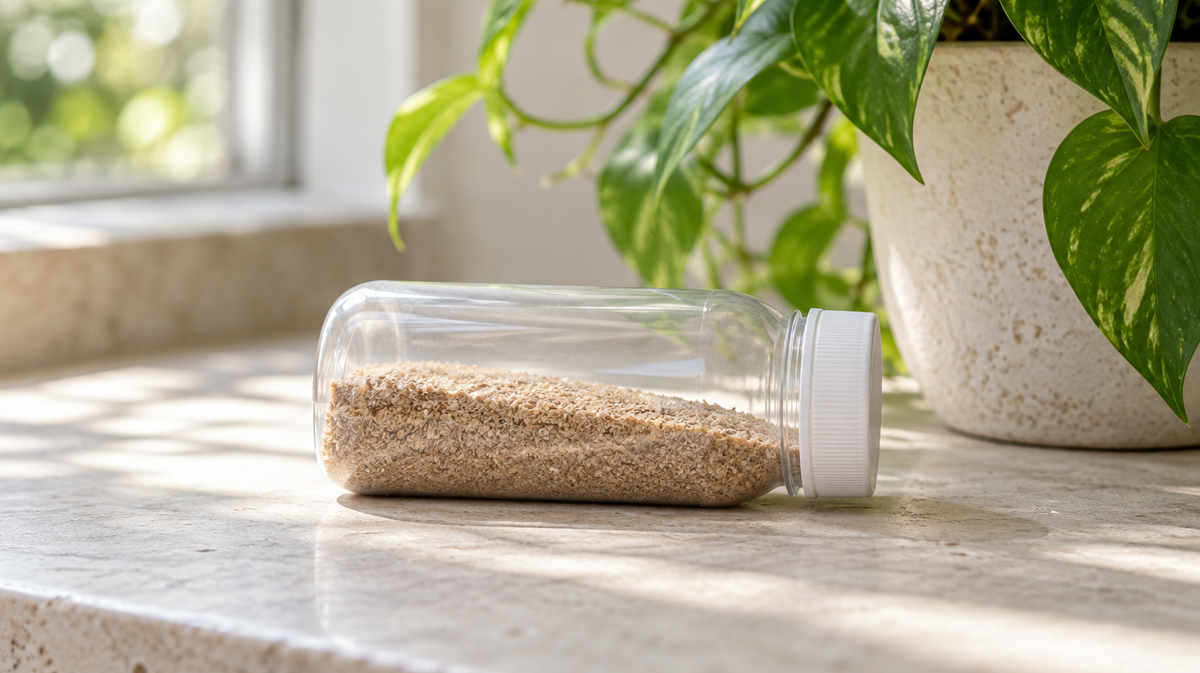
The bottle needs rolling before you open it, because the mites settle in transit and the top third is mostly bran. That one step is the difference between dosing your first plant properly and dosing it with sawdust.
Swirskii Needs the Right Job
Choose swirskii by the pest stage, plant, growing environment, and treatment goal—not the prey list alone.
Swirskii Eats More Than Pests
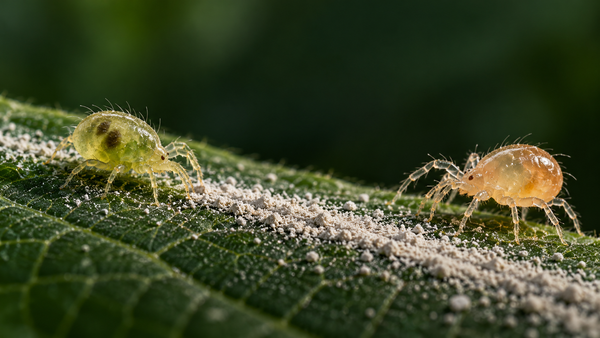
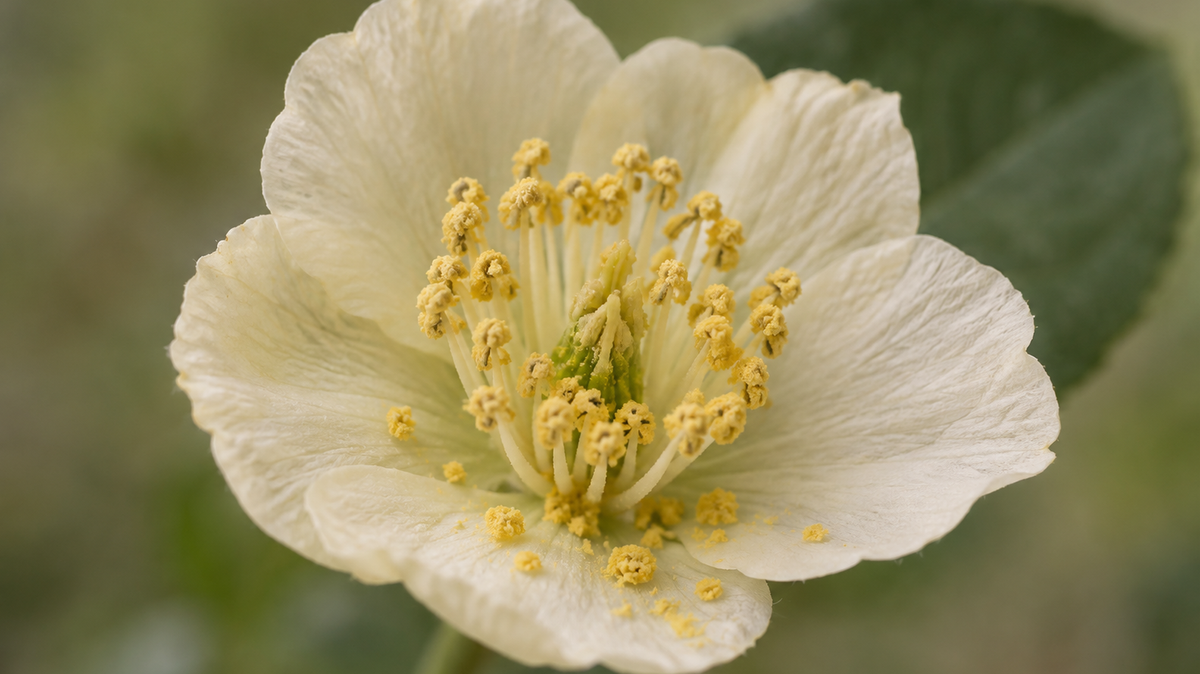
It is about half a millimeter long, and it eats pollen as happily as it eats pests. That second fact is the whole reason anyone buys it — a predator that can feed itself on a clean plant is already there when the thrips arrive.