



Field Notes
Roll Your Swirskii Bottle Before You Open It
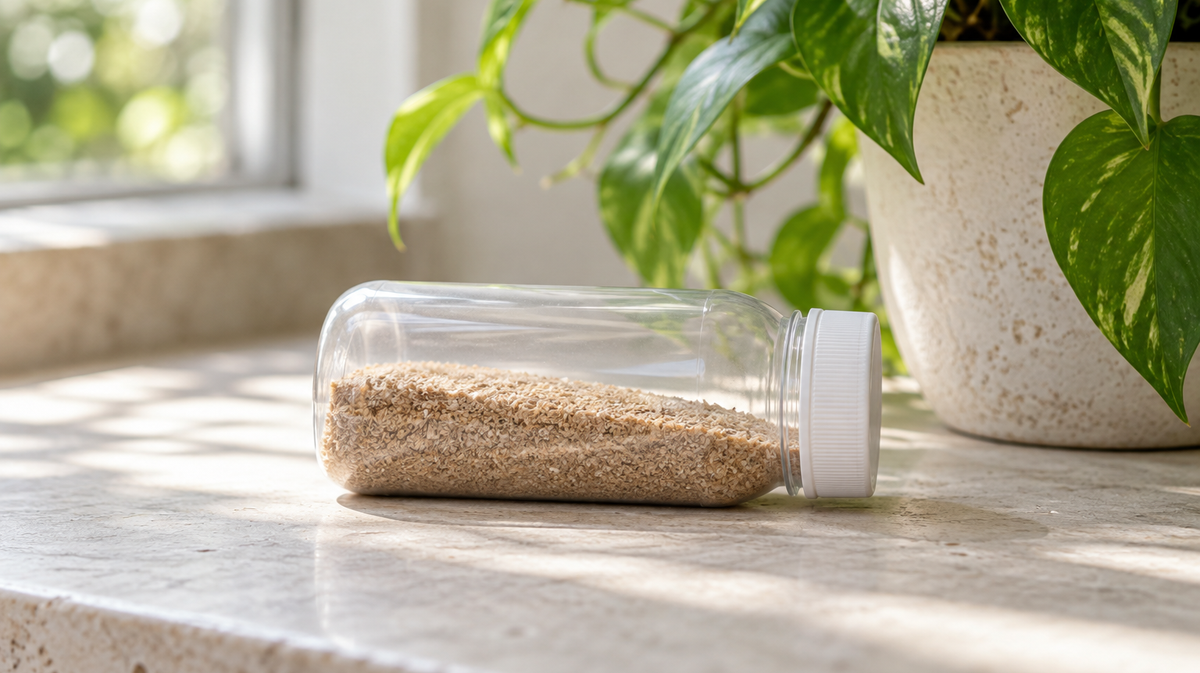
The bottle needs rolling before you open it, because the mites settle in transit and the top third is mostly bran. That one step is the difference between dosing your first plant properly and dosing it with sawdust.
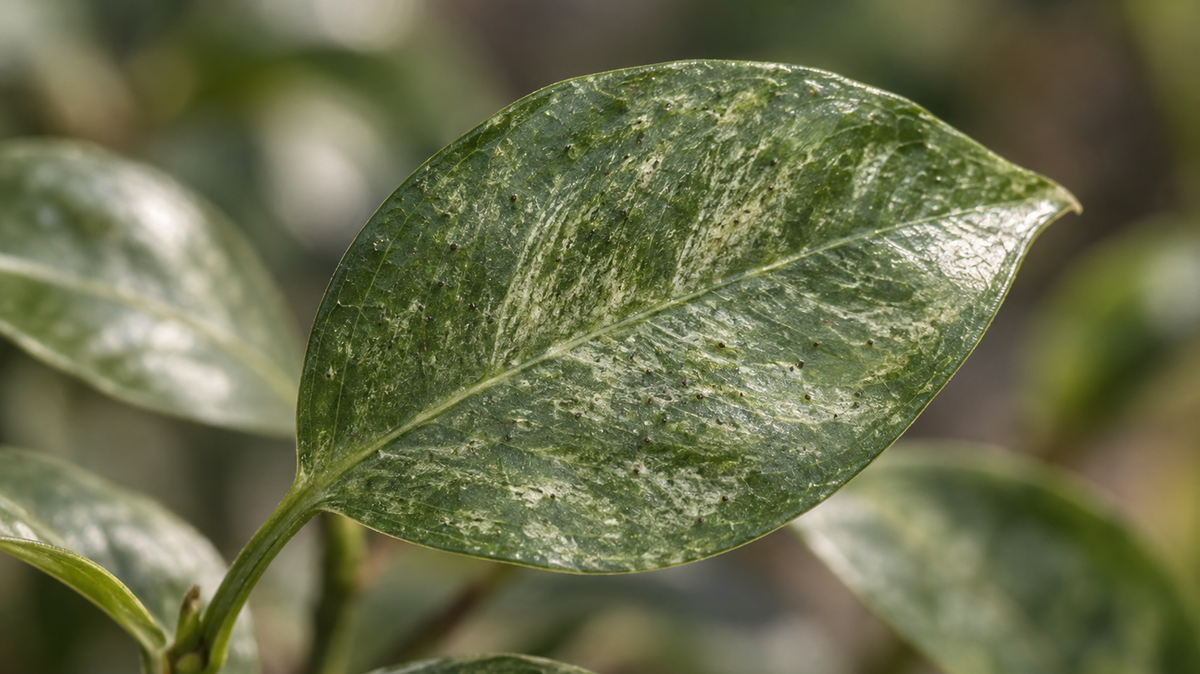
Swirskii Needs the Right Job
Choose swirskii by the pest stage, plant, growing environment, and treatment goal—not the prey list alone.
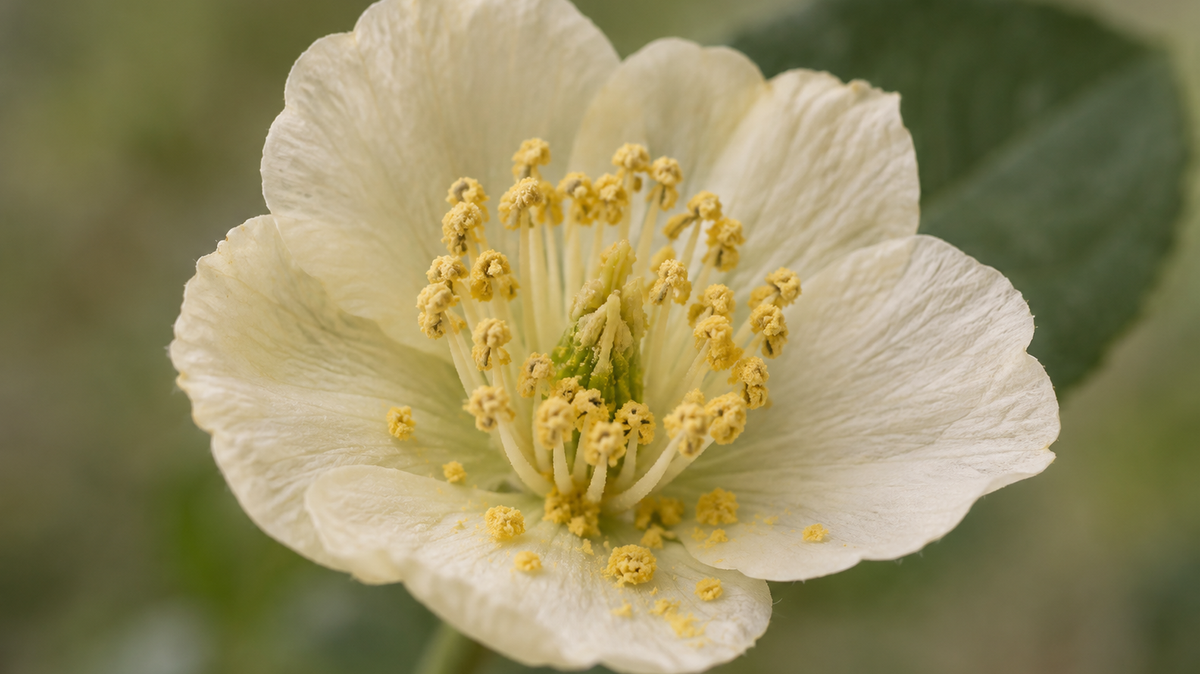
Swirskii Eats More Than Pests
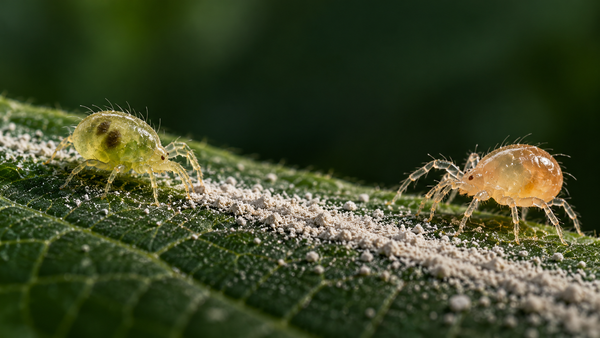
It is about half a millimeter long, and it eats pollen as happily as it eats pests. That second fact is the whole reason anyone buys it — a predator that can feed itself on a clean plant is already there when the thrips arrive.
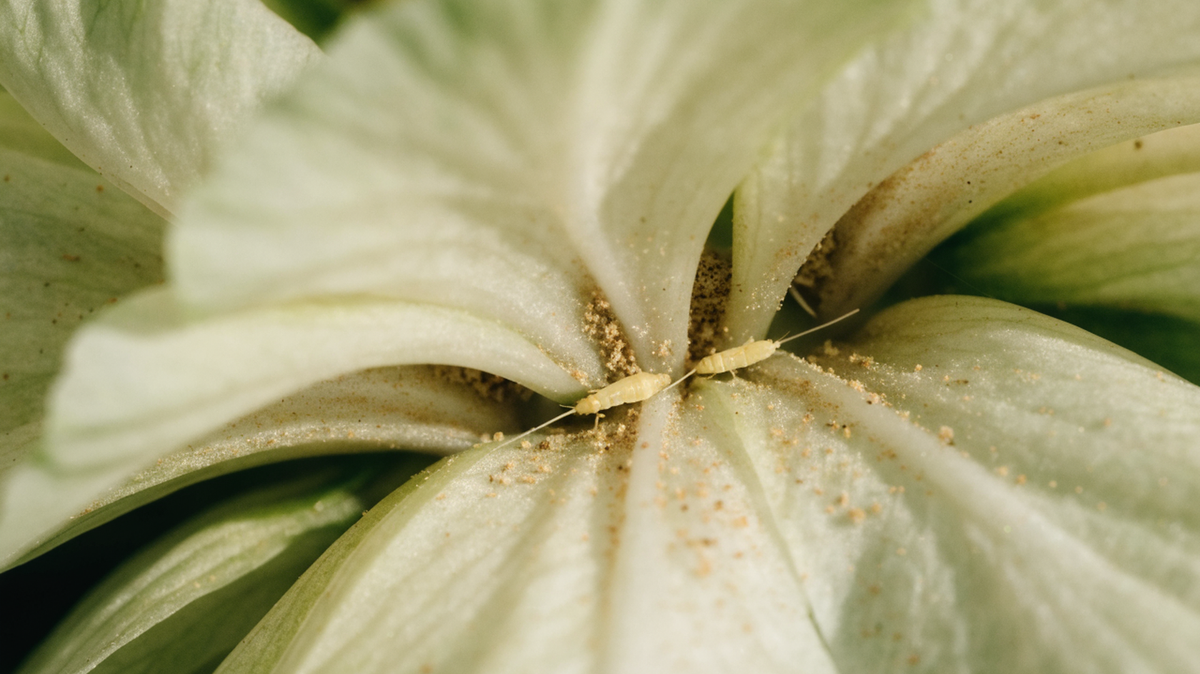
Cucumeris Catches Thrips Young
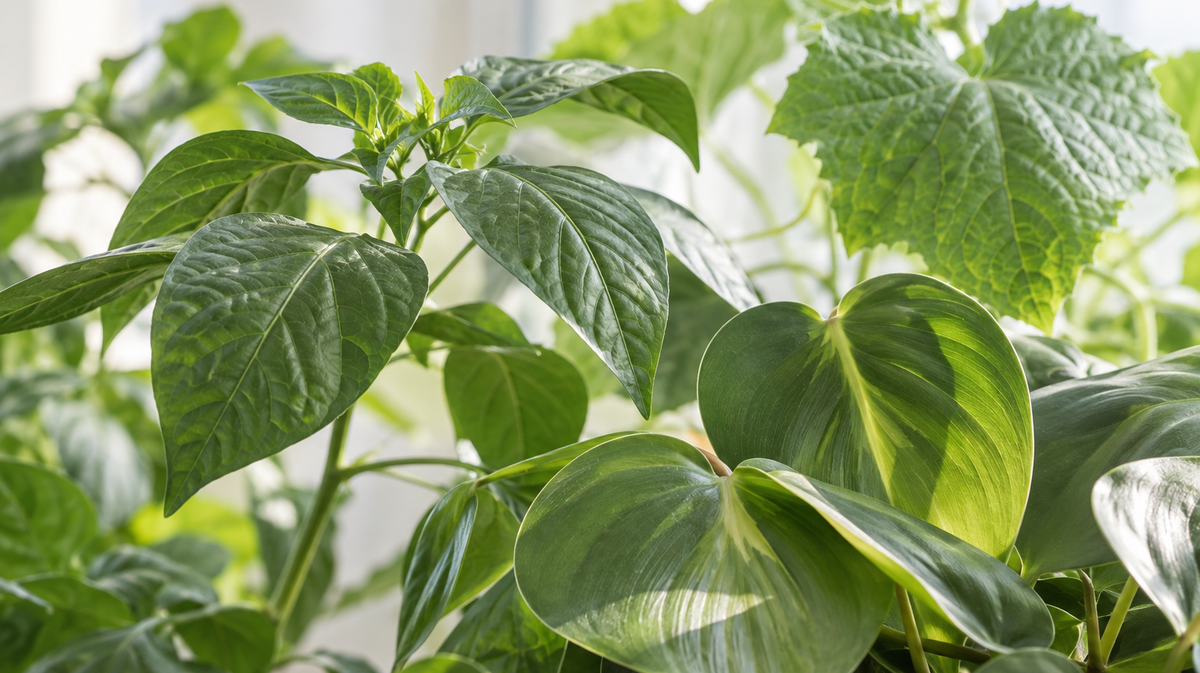
Four Mites Apply for the Thrips Job
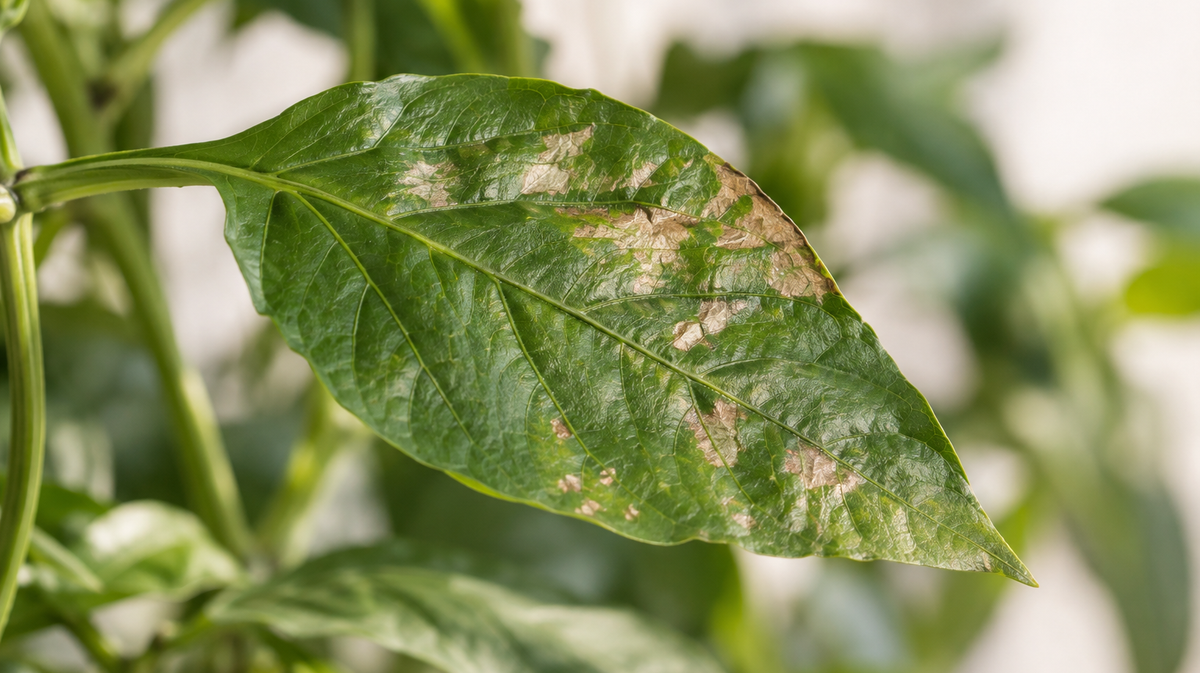
When Cucumeris Is Not Keeping Up
A connected troubleshooting path from live thrips counts to coverage, conditions, prey stages, and a better repeat-treatment plan.

Cucumeris Sachets Need a Good Address
Why sheltered placement and plant coverage affect cucumeris sachets, and how to use those lessons in a prevention program.

You Bought the Wrong Predatory Mite. So Did Everyone Else.
The soil mite you buy for fungus gnats has been sold under another species' name for fifty years, and it's credited with a prey list the science only partly supports. Here's what it is, what it eats, where it lives in the pot, and which claims on the label survive contact with the studies.

Cucumeris Has a Small Target
What cucumeris does in a thrips program, why adults can remain after release, and where treatment and prevention fit.

How Beneficial Nematodes Work: The Science of "Waking Up" Soil Predators
That packet of powder contains millions of living nematodes in a state of suspended animation — dried down, refrigerated, and waiting. Here's the biology that makes it possible, how they're produced at scale, and what actually happens in the fifteen minutes after you add water.
Limonicus Was Worth the Wait
Most predatory mites do one thing well. Limonicus hunts thrips, whitefly, and spider mites — and survives on pollen when there's nothing left to kill. Meet biocontrol's most versatile generalist.

Eggs on Stalks: The Unusual Biology of Green Lacewing Eggs
Green lacewing eggs are laid on silken stalks — an evolutionary solution to two problems at once. Here's the biology behind the structure, what happens inside the egg as it develops, and how to deploy them effectively against aphids, mealybugs, thrips, and more.