
Macro looking into the throat of a pale flower, with two small slender pale thrips tucked into the crevice where the petals meet

Thrips Have Six Stages. Cucumeris Reaches One.

A thrips passes through six life stages and cucumeris can kill one of them. Second instars do not just survive the attack — they fight it off, and they destroy the predator's eggs on the way past. That single fact explains the lag, the reservoir, and most of the disappointment.

Read more
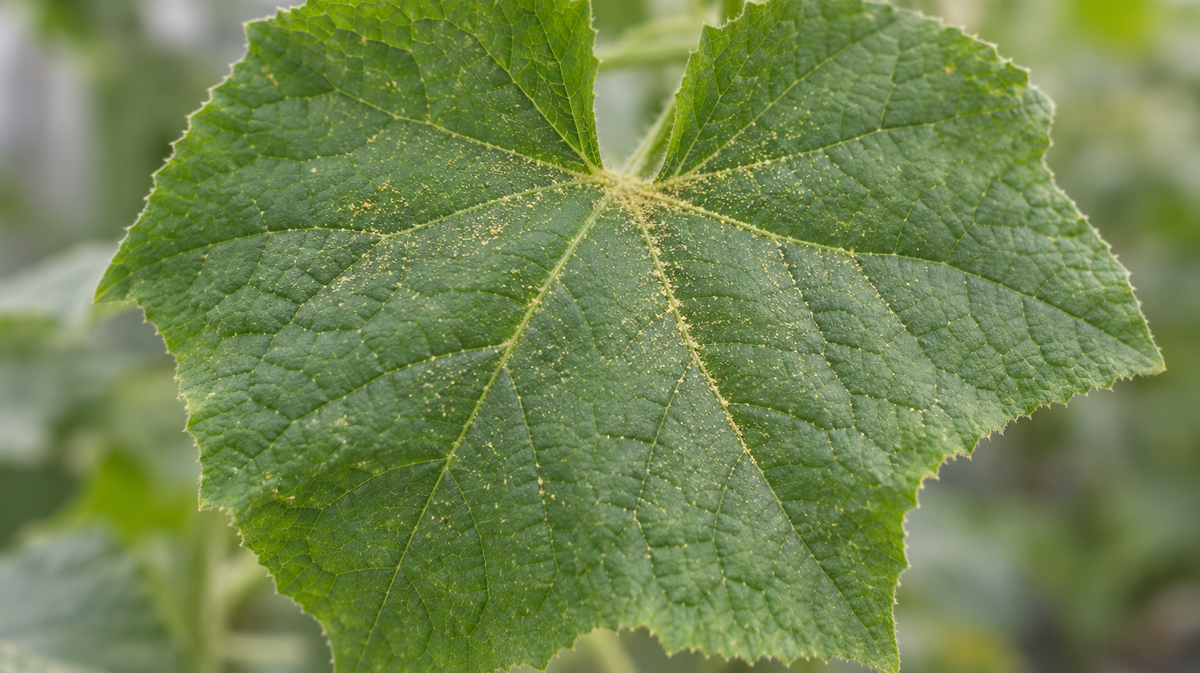
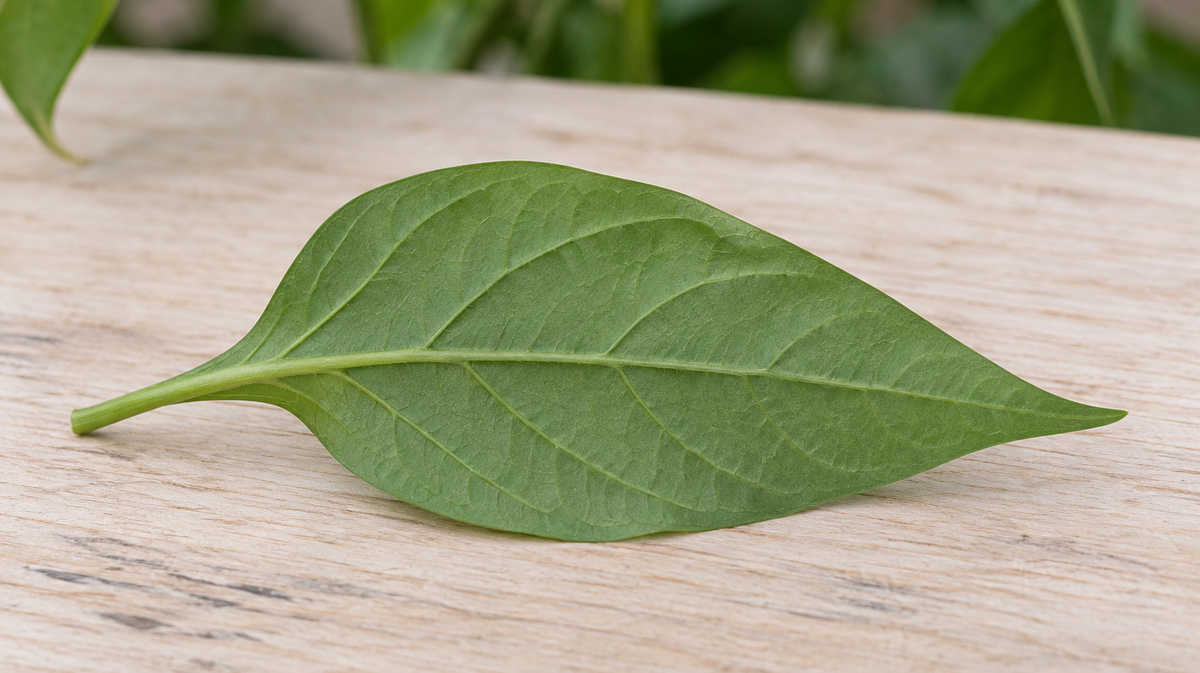
Extreme macro of a leaf underside showing veins and fine hairs, with a single pale tan predatory mite walking across the surface

Four Predatory Mites, Compared. Two of the Columns Are Guesses.

Every supplier prints the same four-column comparison table. We went and read the papers behind each cell. One column rests on unpublished company data, one species has never been trialled against thrips at all, and the humidity row is backwards. Here is that table with the guesses marked.

Read more
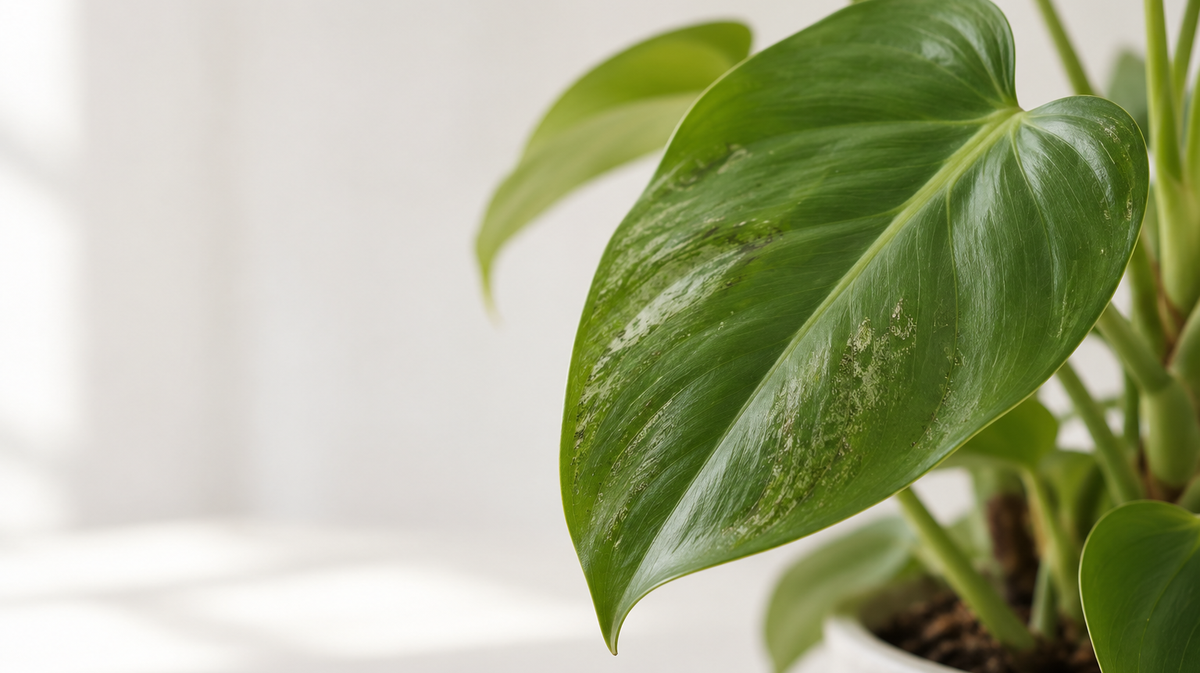
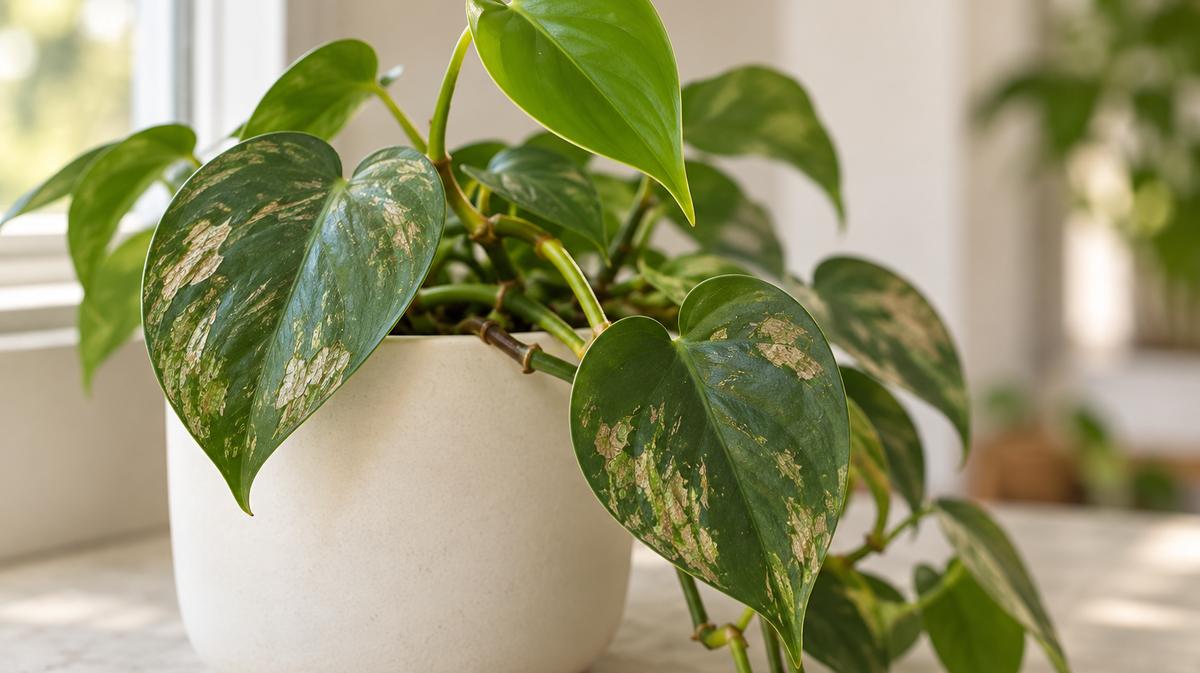
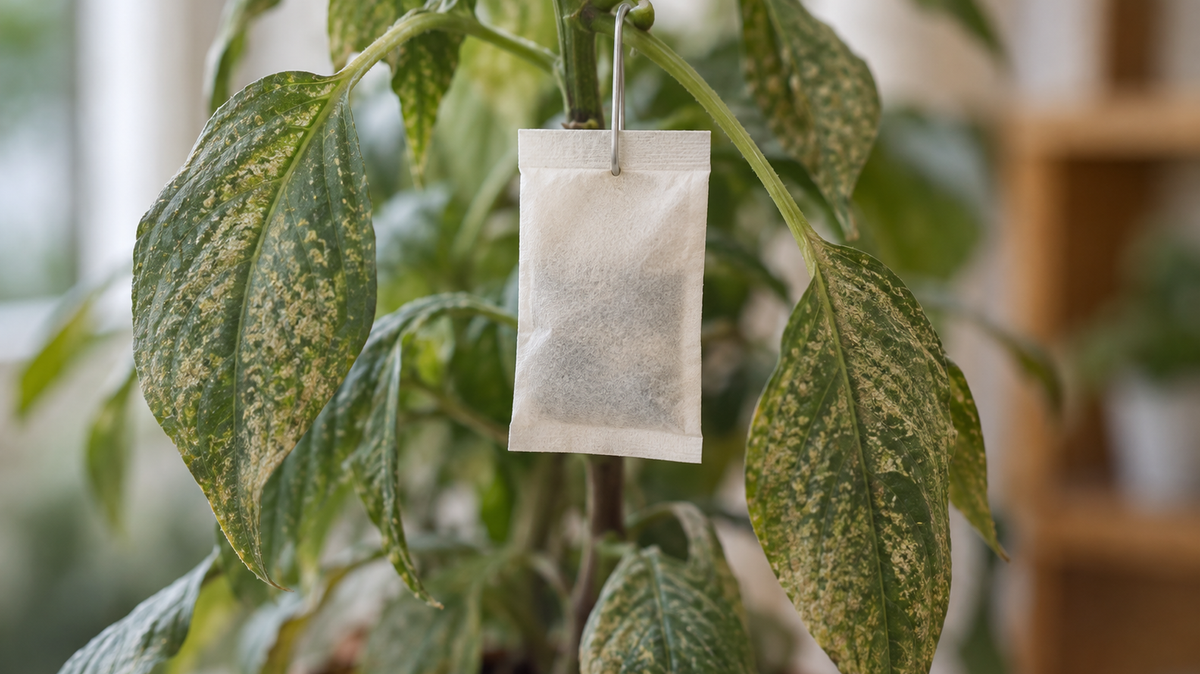
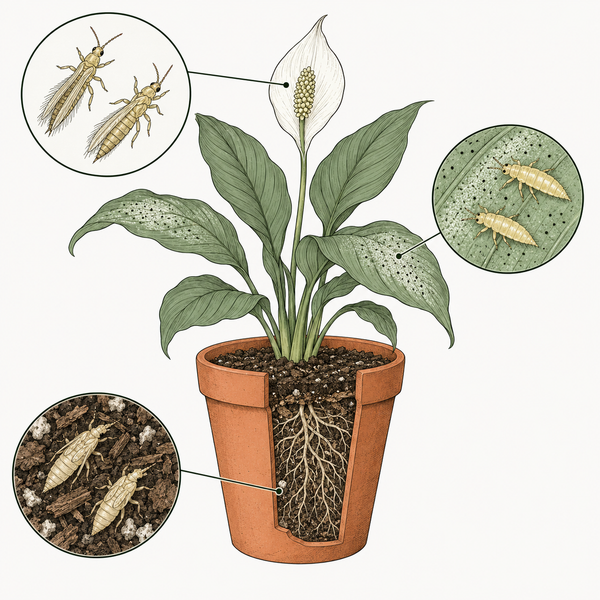
Close view of a houseplant leaf with irregular silvery patches where thrips have rasped away the tissue, scattered with tiny dark frass specks

Your Cucumeris Are Alive. Your Thrips Are Winning.

Your mites are alive. Your thrips are also alive. That combination has twelve documented causes, and what the mites are doing — where they are, what they are sitting next to — narrows it to one or two in about five minutes.

Read more
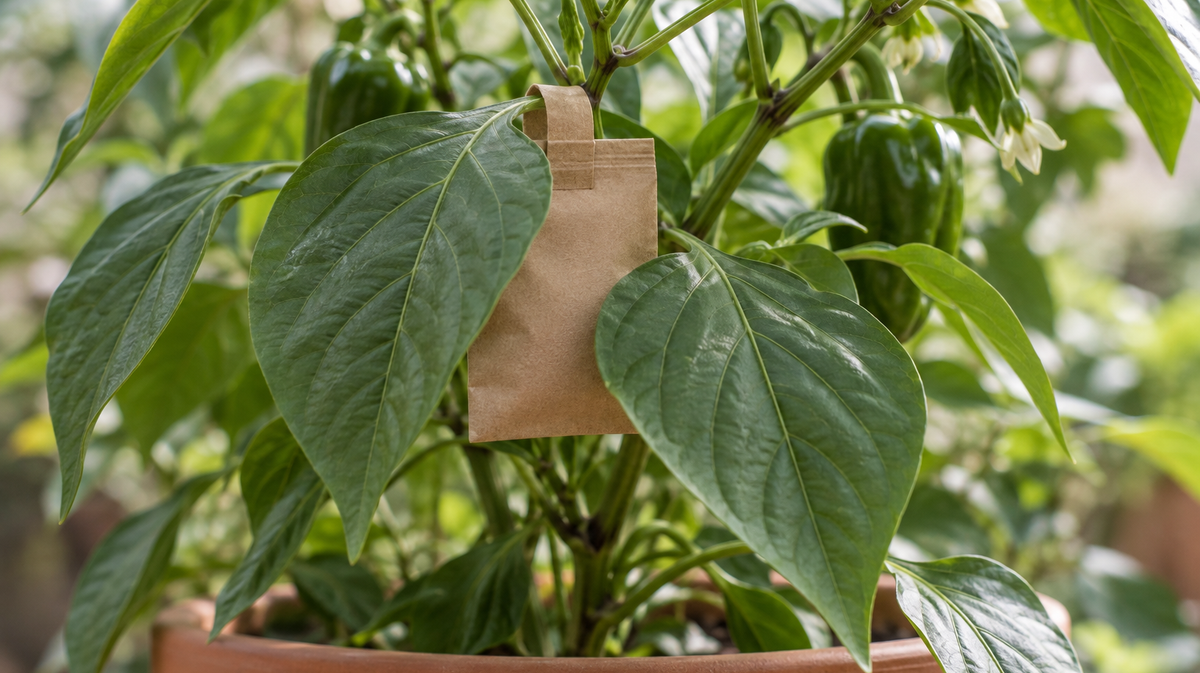
A paper predatory mite sachet hanging from a stem deep inside a houseplant's leaf canopy, shaded by the surrounding foliage

A Cucumeris Sachet Is a Placement, Not a Product.

Hang the same sachet on a bench instead of in the canopy and you have bought a different product — one that empties in a week and stops breeding. Where to put them, how many you need, and why nobody in the trade will tell you how many mites are actually in the box.

Read more
Pale granular carrier poured from a bottle onto dark potting substrate in a terracotta pot

You Bought the Wrong Predatory Mite. So Did Everyone Else.

The soil mite you buy for fungus gnats has been sold under another species' name for fifty years, and it's credited with a prey list the science only partly supports. Here's what it is, what it eats, where it lives in the pot, and which claims on the label survive contact with the studies.

Read more
Amblyseius cucumeris on a leaf looking for a 1st instar thrips larva to eat

Cucumeris: Why It Works (and Why It Fails)

Karen Horn

The thrips mite everyone starts with, and the one most likely to end up alive on your plant doing nothing. What it actually eats, the humidity it actually needs, and how to work out whether your room is inside the band or just outside it — before you buy, rather than three weeks after.

Read more
How Beneficial Nematodes Work: The Science of "Waking Up" Soil Predators

How Beneficial Nematodes Work: The Science of "Waking Up" Soil Predators

Karen Horn

That packet of powder contains millions of living nematodes in a state of suspended animation — dried down, refrigerated, and waiting. Here's the biology that makes it possible, how they're produced at scale, and what actually happens in the fifteen minutes after you add water.

Read more
Limonicus: Late to Market, Early to Hunt

Limonicus: Late to Market, Early to Hunt

Karen Horn

Most predatory mites do one thing well. Limonicus hunts thrips, whitefly, and spider mites — and survives on pollen when there's nothing left to kill. Meet biocontrol's most versatile generalist.

Read more
Eggs on Stalks: The Unusual Biology of Green Lacewing Eggs

Eggs on Stalks: The Unusual Biology of Green Lacewing Eggs

Karen Horn

Green lacewing eggs are laid on silken stalks — an evolutionary solution to two problems at once. Here's the biology behind the structure, what happens inside the egg as it develops, and how to deploy them effectively against aphids, mealybugs, thrips, and more.

Read more
How to Treat Thrips (And Why It's Harder Than Everyone Says)

How to Treat Thrips (And Why It's Harder Than Everyone Says)

Thrips are one of the most frustrating pests in cultivation — not because they're invincible, but because most treatments target the wrong life stage at the wrong time. Here's the biology, the honest failure analysis, and what a complete program actually looks like.

Read more
How to Dose Beneficial Nematodes (Without Losing Your Mind)

How to Dose Beneficial Nematodes (Without Losing Your Mind)

Karen Horn

Not sure how many nematodes you need, or why your last application didn't work? This covers the dose, the timing, the water, the temperature — everything that actually matters.

Read more
Orius insidiosus perched on a green leaf, preparing to strike a nearby thrips. The Orius is shown in detailed black and tan coloration with prominent antennae, surrounded by subtly damaged foliage. Clean white background, editorial composition.

Thrips Don’t Stand a Chance (If You Start Here)

Karen Horn

Thrips are tiny, annoying, and almost impressively destructive. This article takes a closer look at Orius insidiosus—the predator that hunts adult thrips—and explains how to use it as part of a long-term control strategy.

Read more