


Field Notes
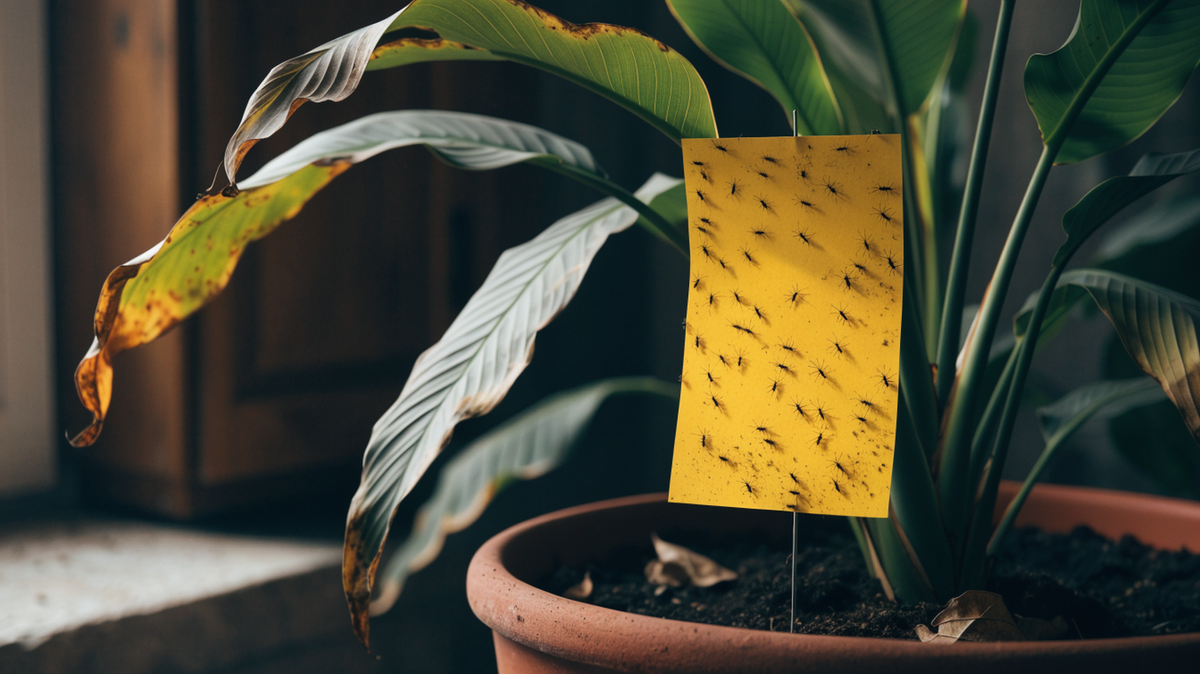
Your Stratiolaelaps Didn't Fail. Something Else Did.
Almost every "the mites didn't work" story traces back to one of nine causes, and most of them were decided before the bottle was opened. Here's each failure mode, the mechanism behind it, and the fingerprint that tells them apart.

Four Ways to Kill a Fungus Gnat. Two of Them Fight.
No published trial has ever put predatory mites, beneficial nematodes, rove beetles and Bti head to head under one protocol. What exists is a set of single-agent results answering different questions — how fast, how long, which life stages, and which of them eat each other.
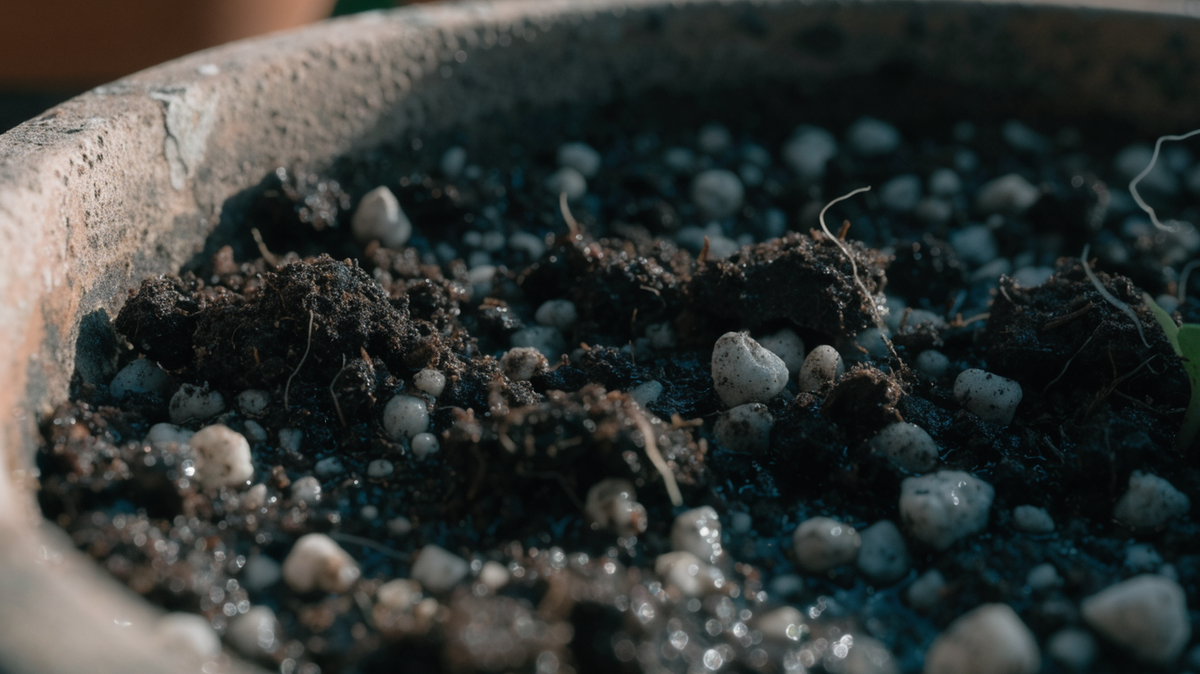
Fungus Gnat Larvae Live in One Inch of Soil. That's the Whole Game.
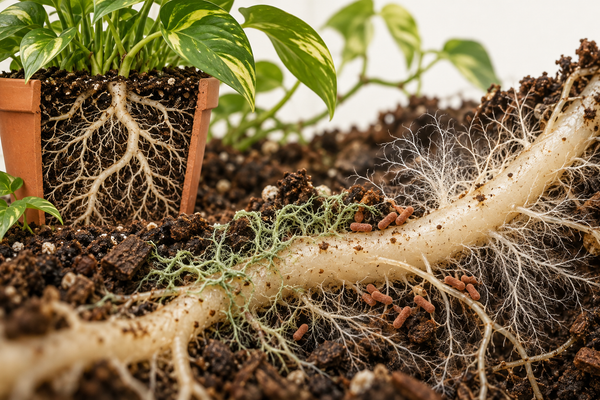
Soil isn't a material a predator moves through. It's a three-dimensional maze of pores, films and dead ends, and the size of those pores decides who hunts where. This is the physics underneath every soil biocontrol instruction you've ever been given.

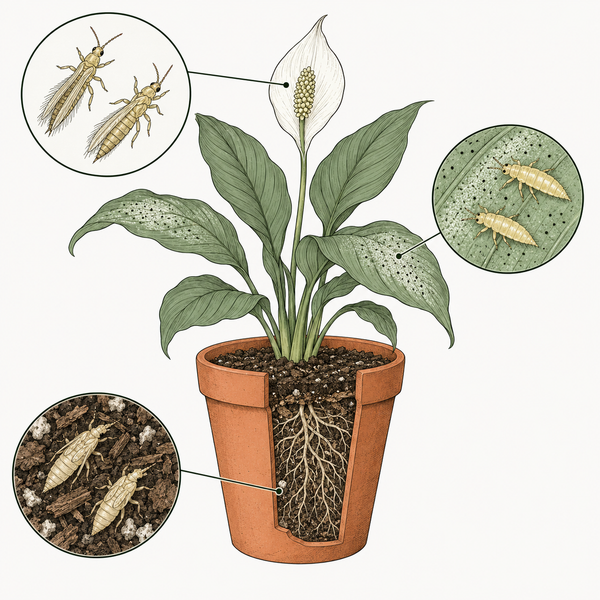
Cucumeris Has a Small Target
What cucumeris does in a thrips program, why adults can remain after release, and where treatment and prevention fit.
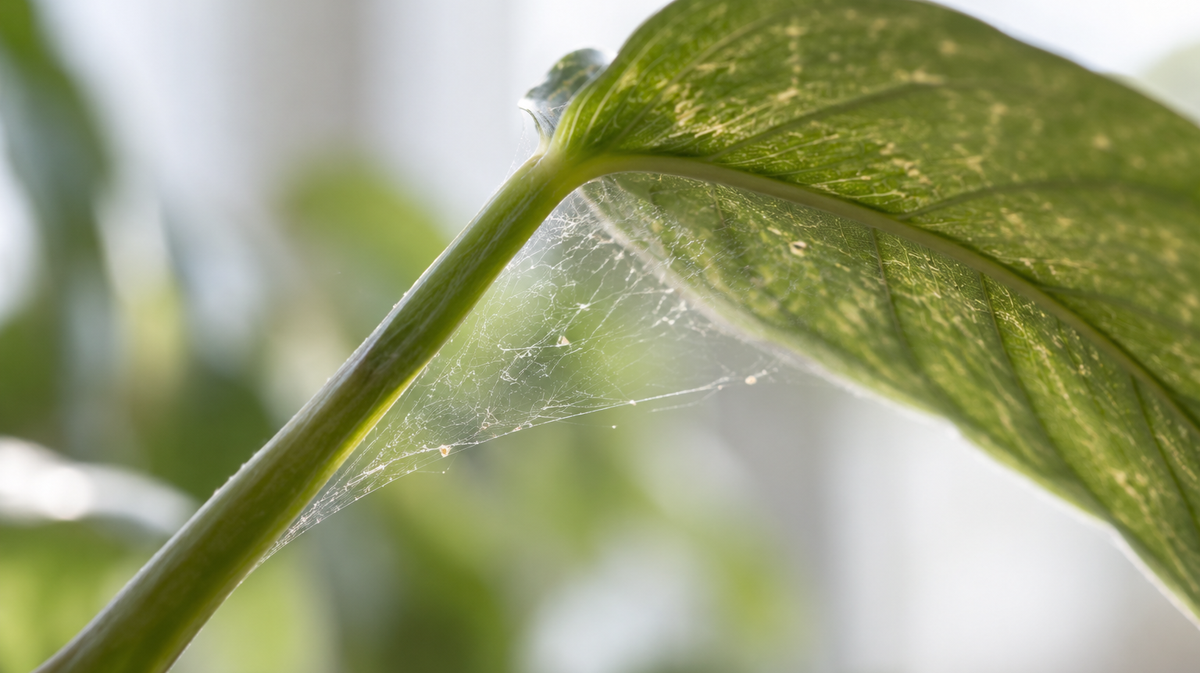
My Plant Has Webbing. Help.
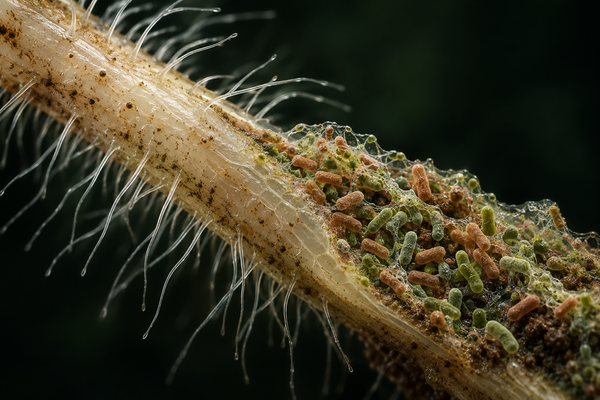
Webbing on a plant isn't always spider mites — and the mite that causes the most damage indoors doesn't produce webbing at all. Here's how to tell what you're actually looking at before you treat.

Native vs Invasive Ladybugs
Most ladybugs you'll encounter are red with black dots — and that description fits native, introduced, and invasive species equally. Here's how to actually tell them apart, what the harlequin ladybug has been doing to native populations, and where the real ecological concerns are.

Your Grow Light Isn't Killing Your Predatory Mites. Your Humidity Might Be.
UV gets all the attention, but it's rarely the problem under standard LEDs. The variables that actually determine whether predatory mites thrive in a lit grow space are humidity, heat, and photoperiod — and all three are fixable once you know what to look for.

Predatory Mites Outdoors
Predatory mites have been managing pest populations in orchards and gardens for decades — the outdoor track record is solid. The approach is just different than indoor. Here's which species handle real outdoor conditions, when to release for the season, and why suppression is the goal that actually keeps your plants healthy.

Are You Trying to Eradicate Your Pests — or Live With Them Strategically?
Most growers release predatory mites with a vague goal of "getting rid of the pests." But eradication and ongoing protection are different strategies, requiring different species, different formats, and different expectations. One is a campaign with an end. The other is a programme that runs alongside your plants. Here's how to know which one you're actually running — and how to make it work.
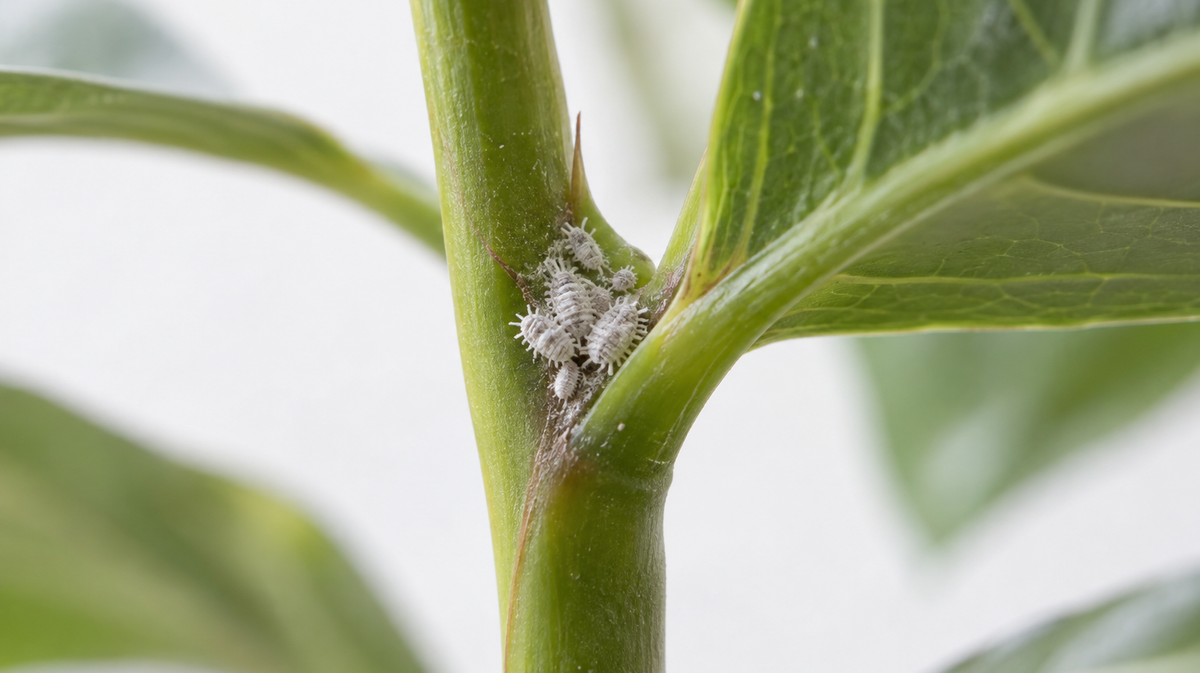
The Beetle That Looks Like Its Prey
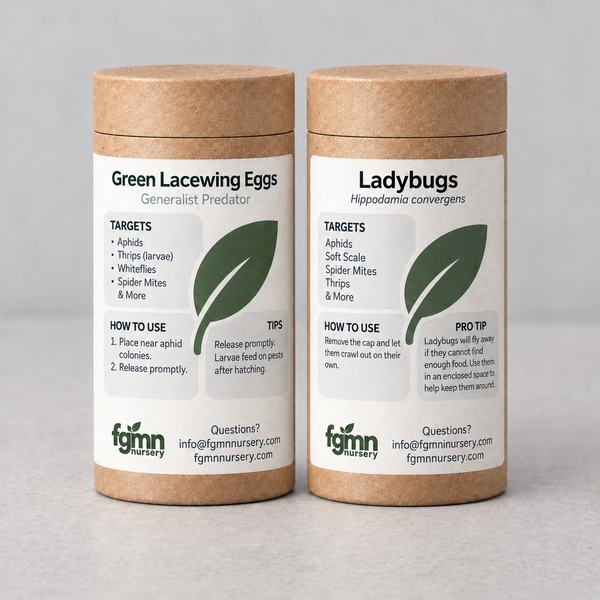
The larvae of Cryptolaemus montrouzieri look so much like mealybugs that growers routinely try to wipe them off their plants. That's the beetle they just released, eating the pest they paid to eliminate. Here's how to tell them apart — and everything else you need to know before you release the most effective biological mealybug control in existence.
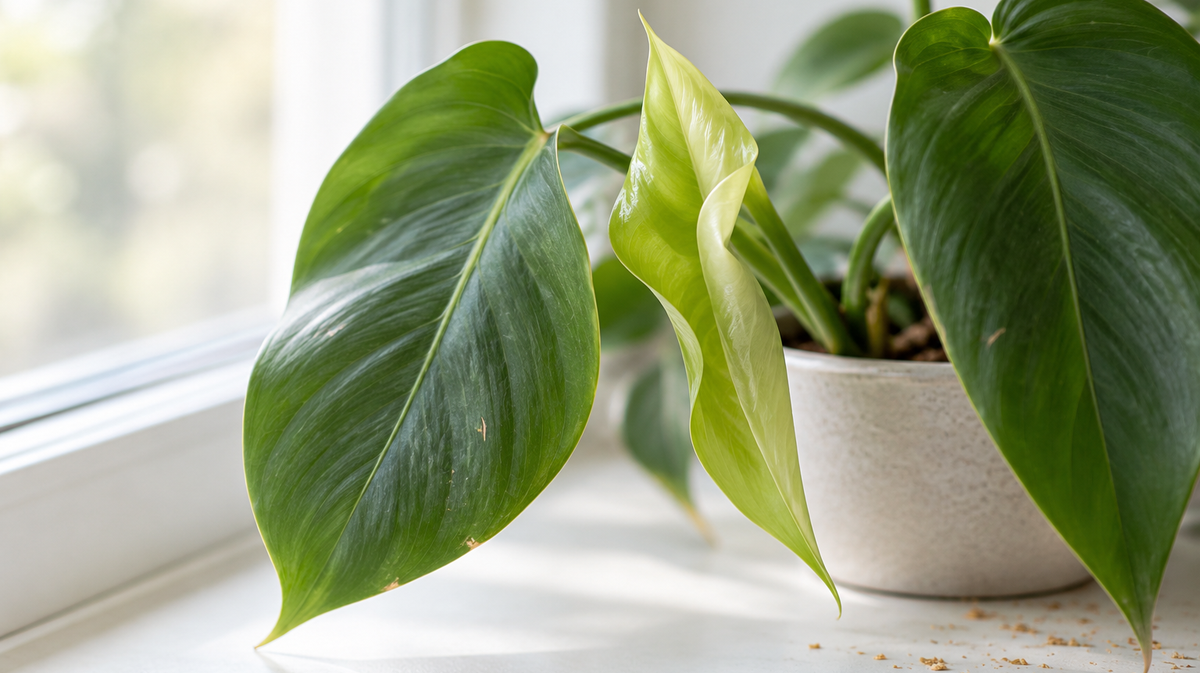
Your Beneficials Started the Moment You Released Them. You Just Can't Tell Yet.
You released the predatory mites three days ago and the spider mites are still there. The nematodes went in a week ago and the fungus gnats are still flying. This is the moment most growers reach for a spray — and it's usually the wrong move, because the beneficials have already started. Here's what's actually happening after a release, and how to read the signs that it's working.
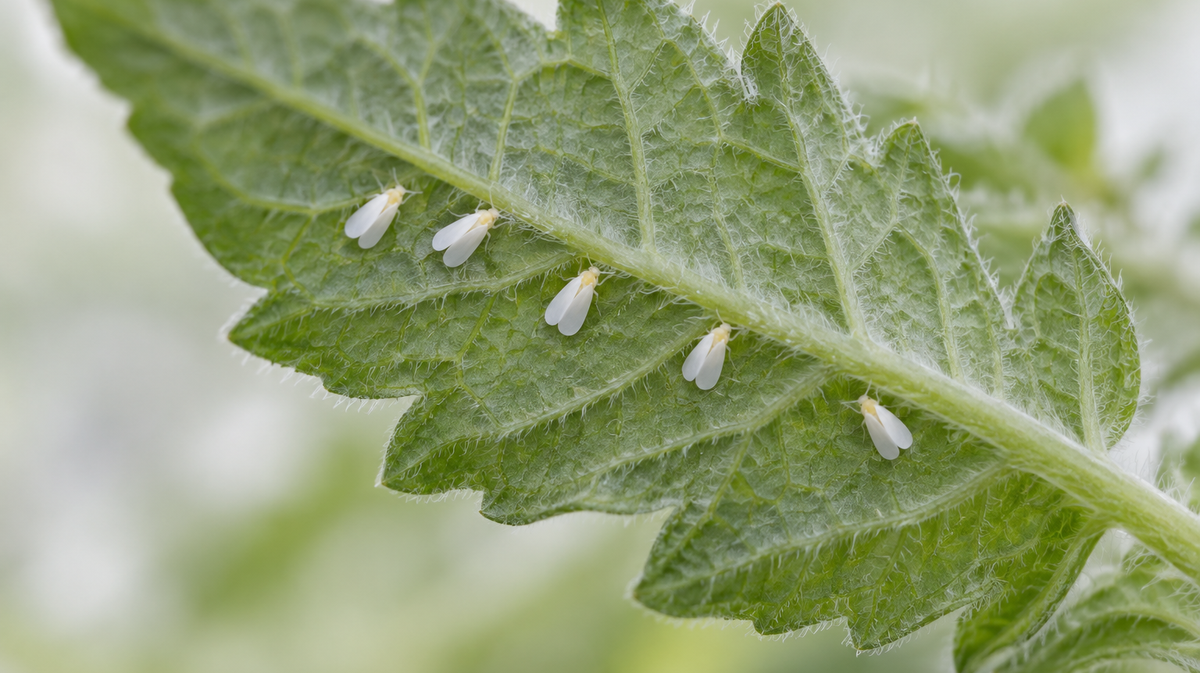
Whitefly Treatment That Doesn't Wear Off
Spraying whiteflies knocks back the adults you can see. It doesn't touch the eggs. The eggs hatch, the nymphs are harder to kill, and three weeks later you're back where you started — except the population is slightly more resistant. Here's how predatory mites and Orius break that cycle by targeting the stages your spray misses.