



Field Notes
The Fungus That Fights for Your Roots
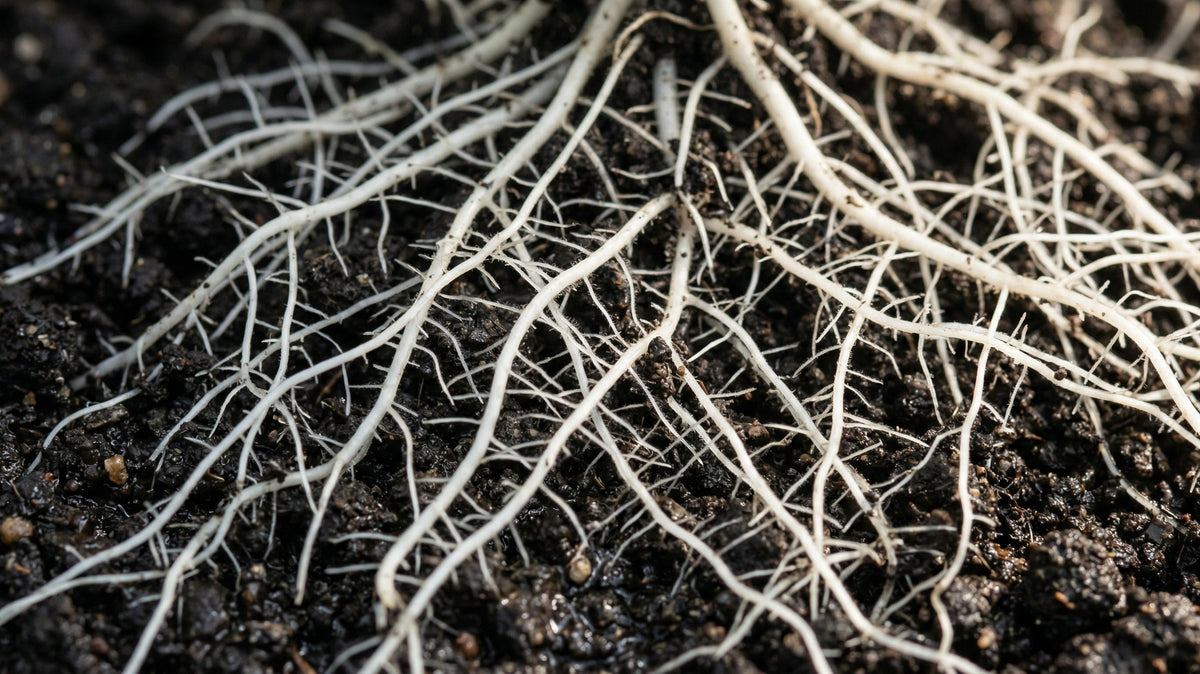
T22 is not a pesticide. It's a fungus that colonises plant roots, hunts and eats soil pathogens, produces antifungal compounds that diffuse through the root zone, and simultaneously triggers the plant's own immune system. Then, separately from all of that, it makes your roots bigger and your nutrients more available. Here's how each of those things actually works.
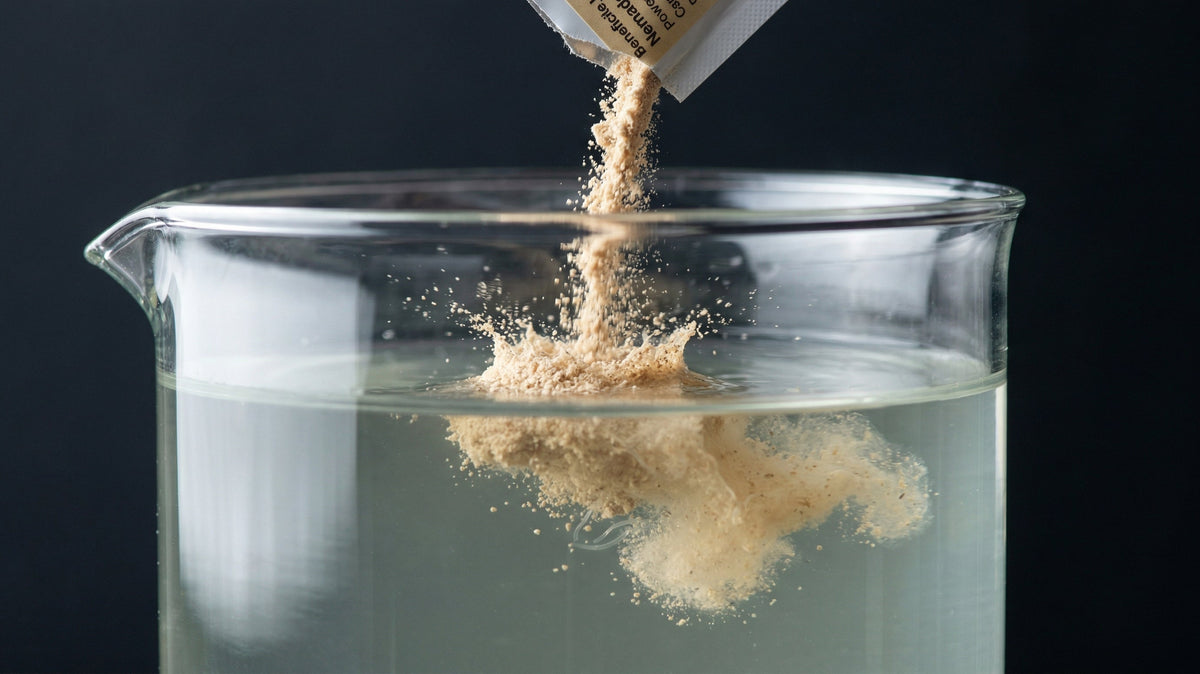
How Beneficial Nematodes Work: The Science of "Waking Up" Soil Predators
That packet of powder contains millions of living nematodes in a state of suspended animation — dried down, refrigerated, and waiting. Here's the biology that makes it possible, how they're produced at scale, and what actually happens in the fifteen minutes after you add water.
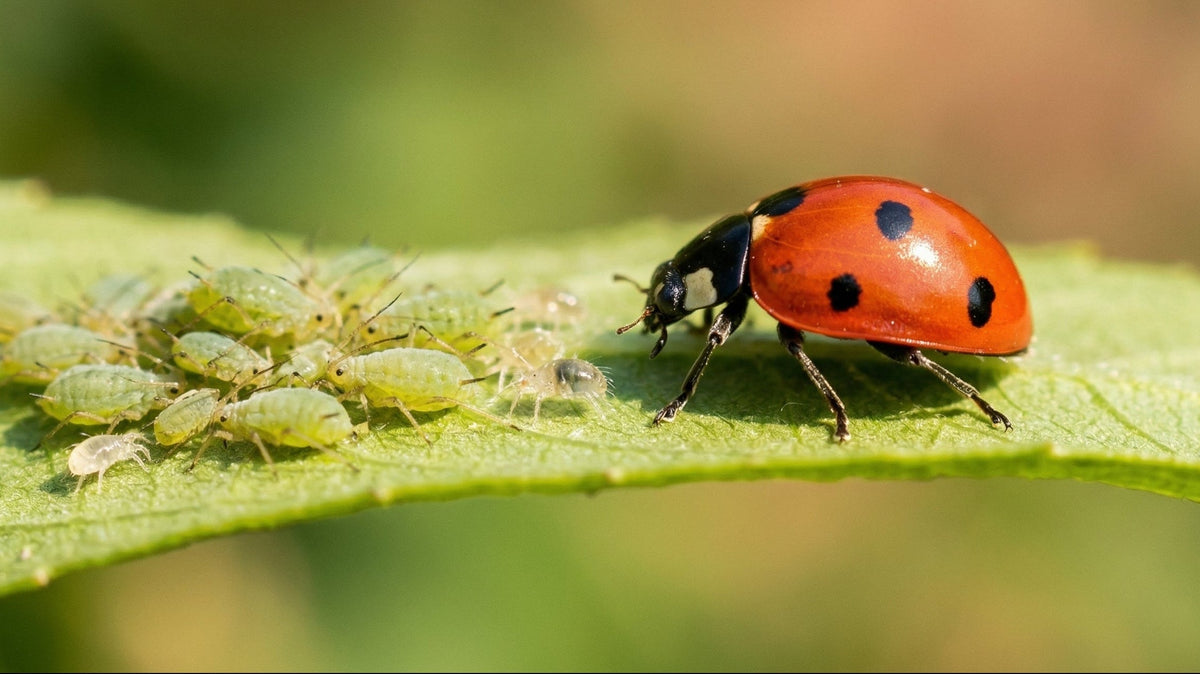
One Eats Aphids. One Eats Mites. Carry On.
Ladybugs and predatory mites can run in the same space without meaningfully interfering with each other — but they're not doing the same job, and one won't cover for the other. Here's when the combination makes sense and when it's just extra cost.

Are Predatory Mites Right for You?
The honest answer is: it depends. Predatory mites work exceptionally well under the right conditions — and fail predictably under the wrong ones. Here's how to know which situation you're in before you spend anything.
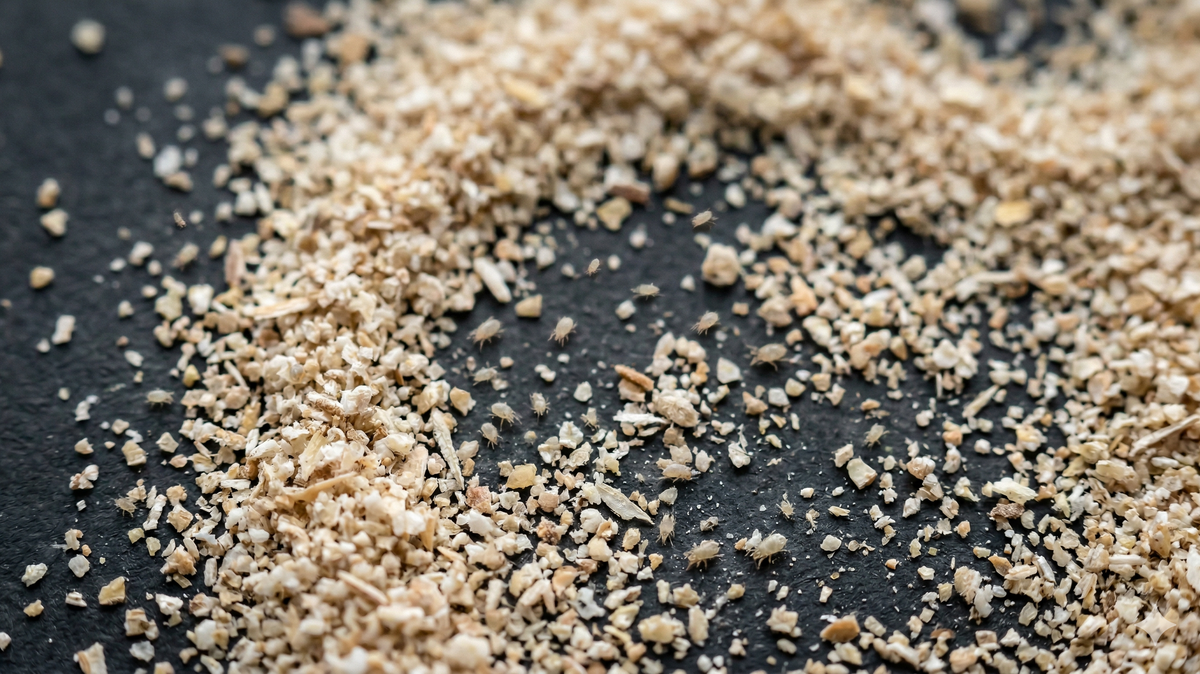
They Eat Pests for a Living. You're Welcome.
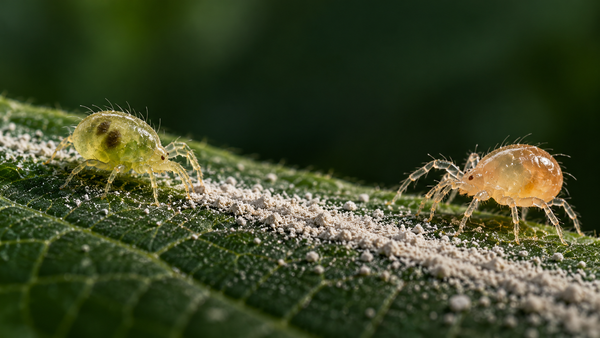
Predatory mites are the biological control solution to spider mites, thrips, broad mites, fungus gnats, and more — and they don't harm plants, people, or pets. If someone has suggested you add more mites to fix your mite problem, this is the article that explains why that's actually correct.
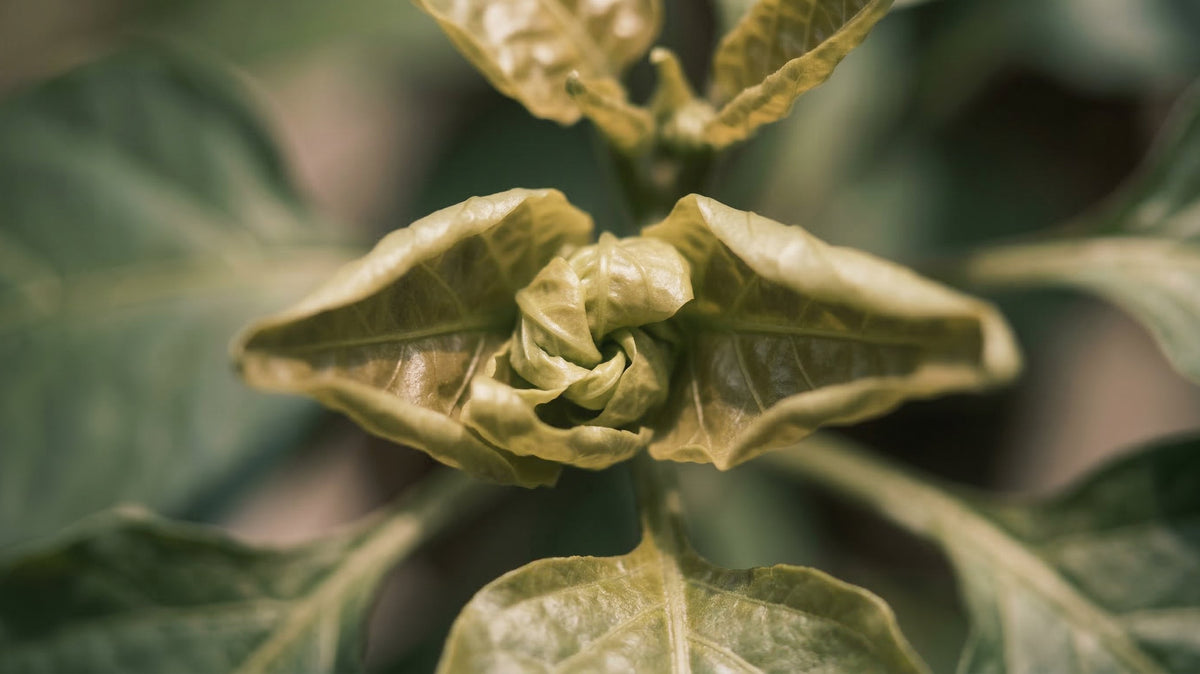
No Webbing. No Warning. No Fun.
Broad mites are microscopic pest mites that cause twisted, bronzed new growth on peppers, cannabis, hoyas, and dozens of other plants — and they're almost always misdiagnosed first. No webbing, no visible culprit, just a plant that keeps getting worse while you adjust the pH. Here's what they actually are, how to identify the damage, and how to get rid of them for good.
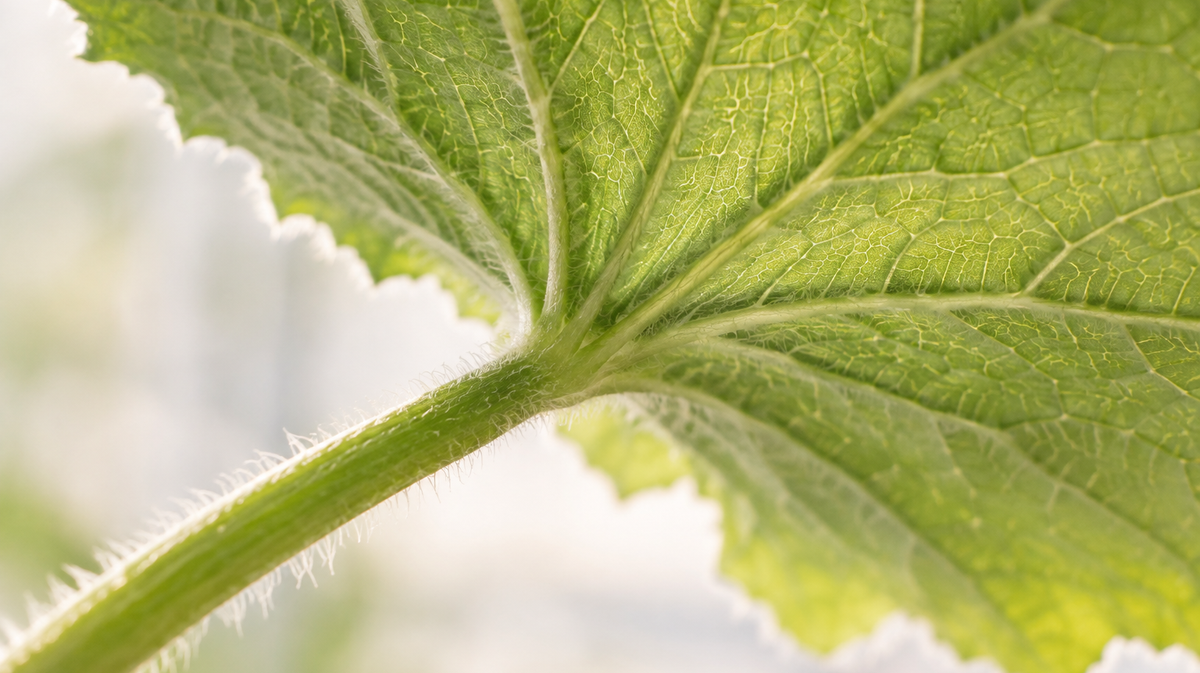
Limonicus Was Worth the Wait
Most predatory mites do one thing well. Limonicus hunts thrips, whitefly, and spider mites — and survives on pollen when there's nothing left to kill. Meet biocontrol's most versatile generalist.

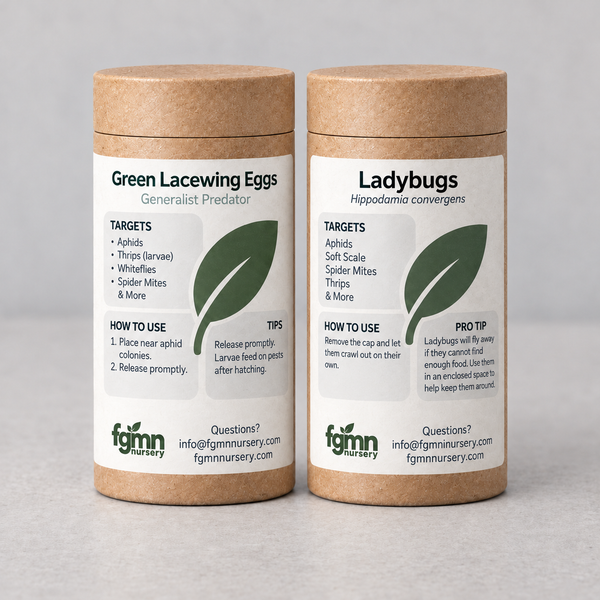
Eggs on Stalks: The Unusual Biology of Green Lacewing Eggs
Green lacewing eggs are laid on silken stalks — an evolutionary solution to two problems at once. Here's the biology behind the structure, what happens inside the egg as it develops, and how to deploy them effectively against aphids, mealybugs, thrips, and more.
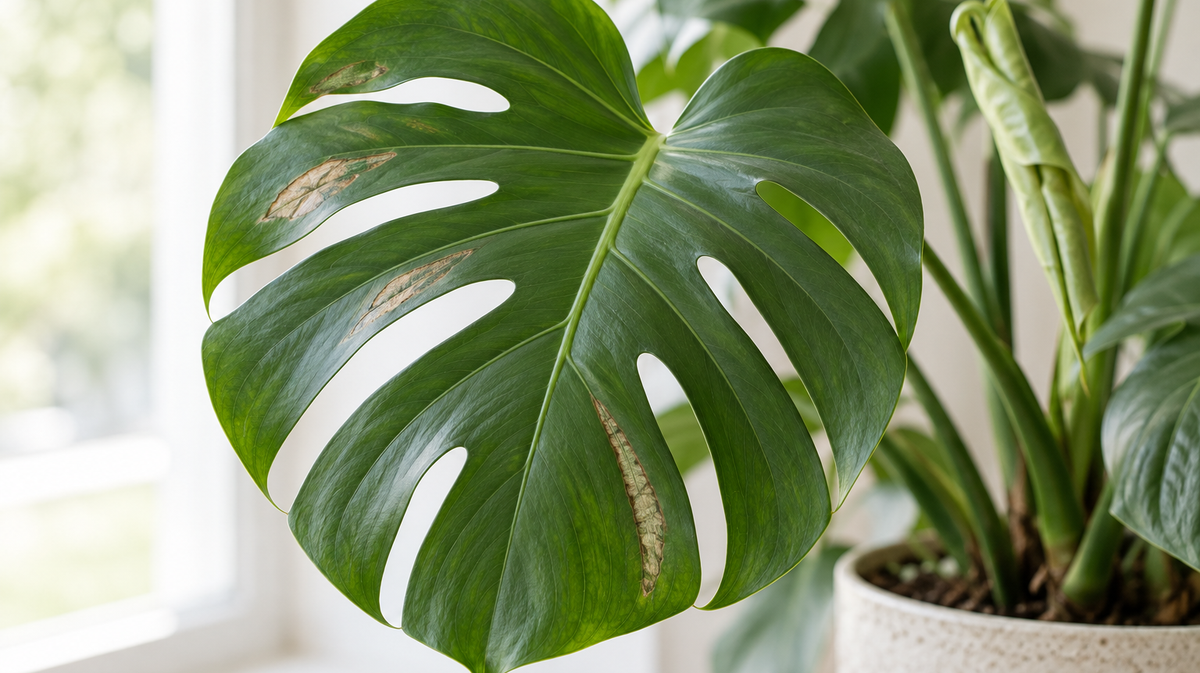
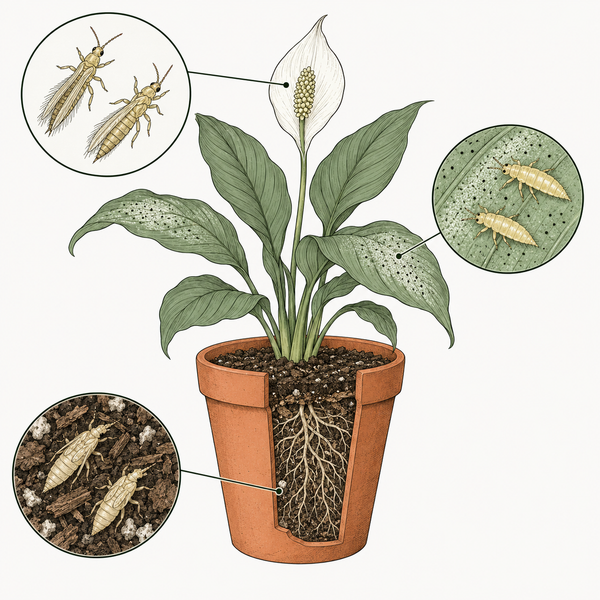
How to Treat Thrips (And Why It's Harder Than Everyone Says)
Thrips are one of the most frustrating pests in cultivation — not because they're invincible, but because most treatments target the wrong life stage at the wrong time. Here's the biology, the honest failure analysis, and what a complete program actually looks like.
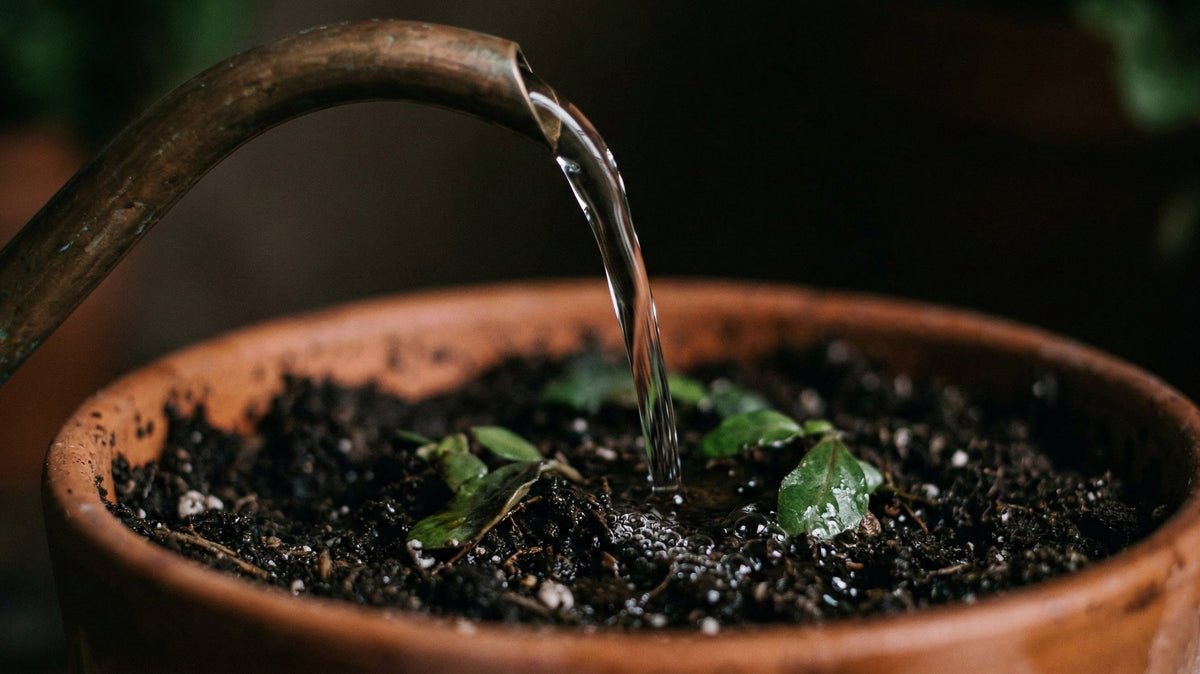
How to Dose Beneficial Nematodes (Without Losing Your Mind)
Not sure how many nematodes you need, or why your last application didn't work? This covers the dose, the timing, the water, the temperature — everything that actually matters.
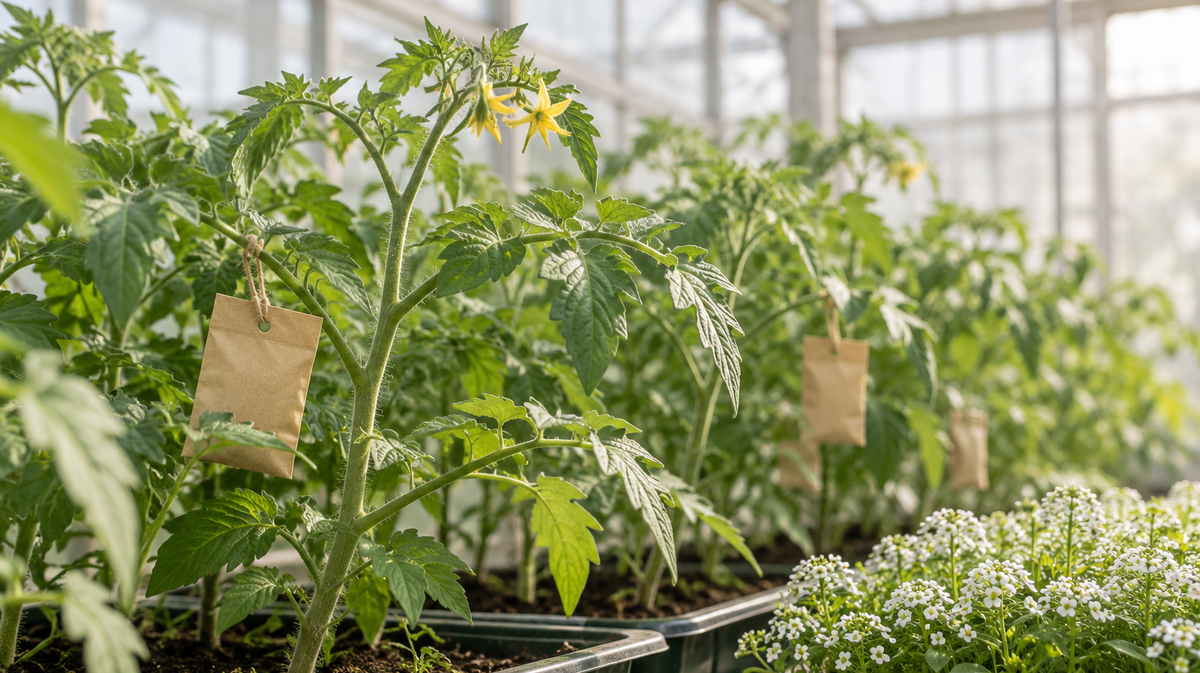
Organic by Design: Why Biological Control is Infrastructure, Not Intervention
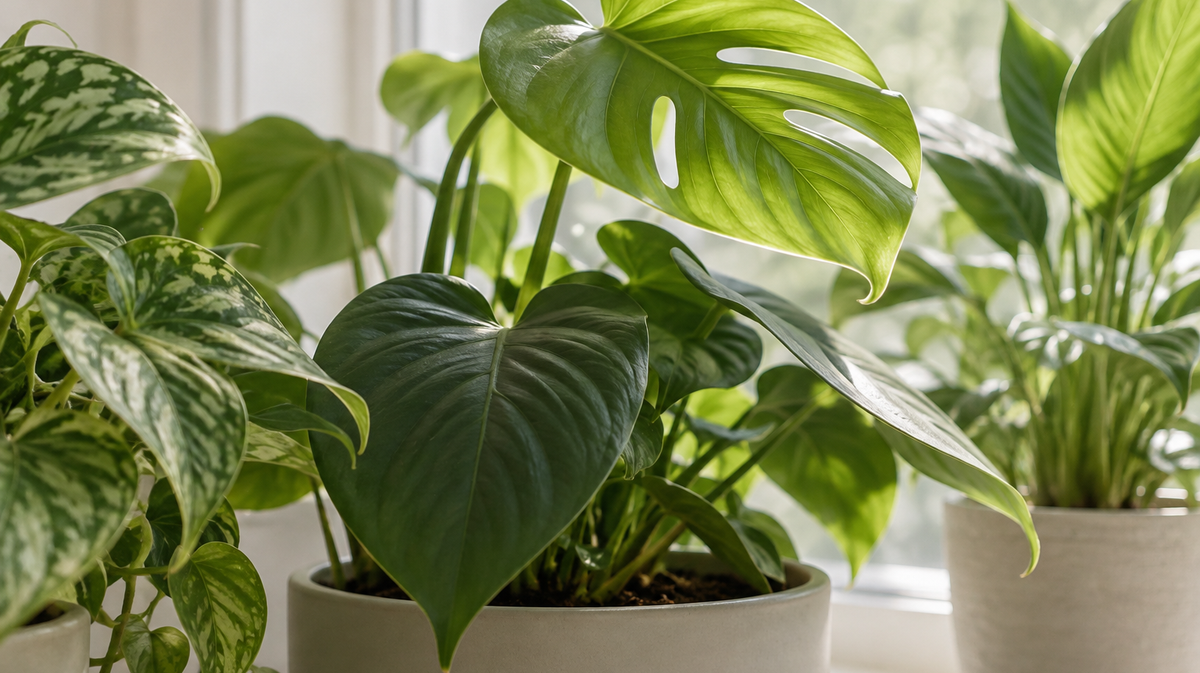
The Hidden Weather That Shapes Plant and Predator Life
Invisible weather shapes every growing space. Warm air pools under lights, cool air settles near the floor, and in between, tiny predators decide where they’ll thrive. Learn how microclimates influence the balance between plants, pests, and the mites that keep them in check.