
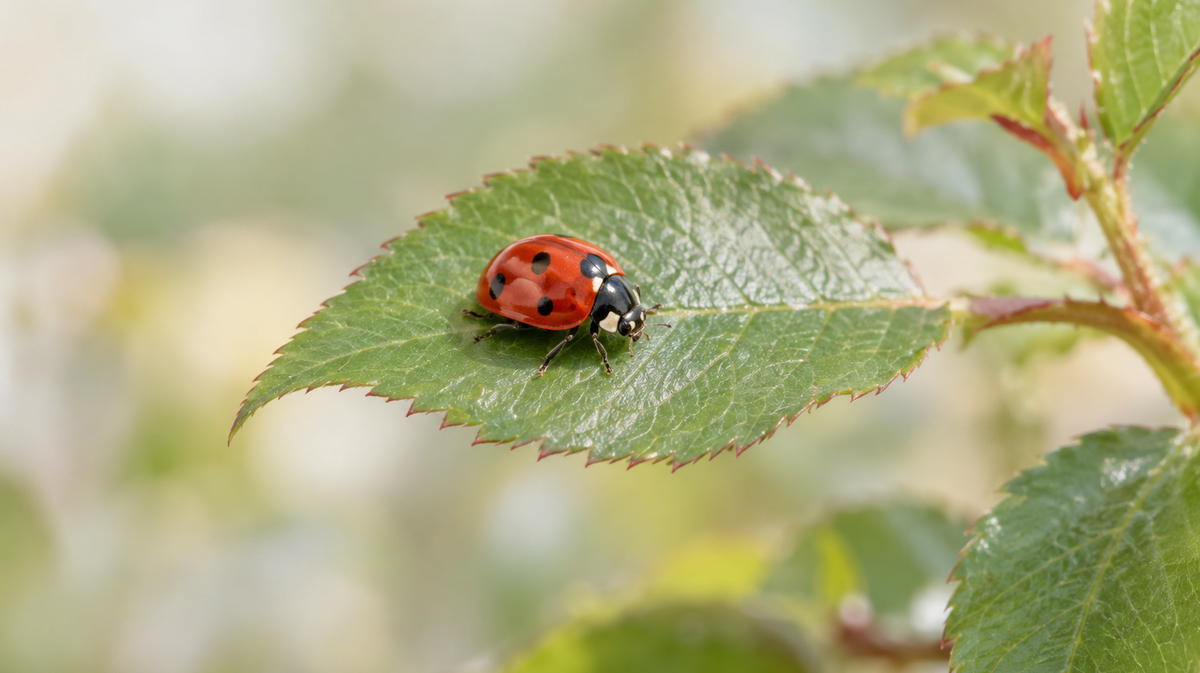
A red-and-black lady beetle resting on a green rose leaf.

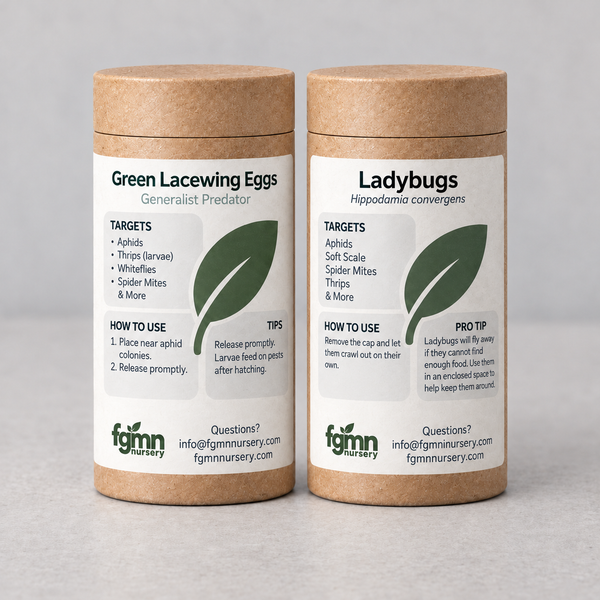
If Ladybugs Are Just Going to Fly Away, Why Use Them?

— Karen Horn

They do fly away, and not because your plant disappointed them. Most are gone inside 48 hours whether or not there are aphids left to eat. That is worth understanding before you decide whether it makes them worth buying.

Read more
White pepper flowers among green leaves in a bright growing area.

Orius Takes on Adult Thrips

— Karen Horn

Why Orius can prey on adult thrips, how that differs from larval predation, and what flowers and plant inspections reveal about biological control.

Read more
A healthy-looking philodendron beside an open window overlooking a garden.

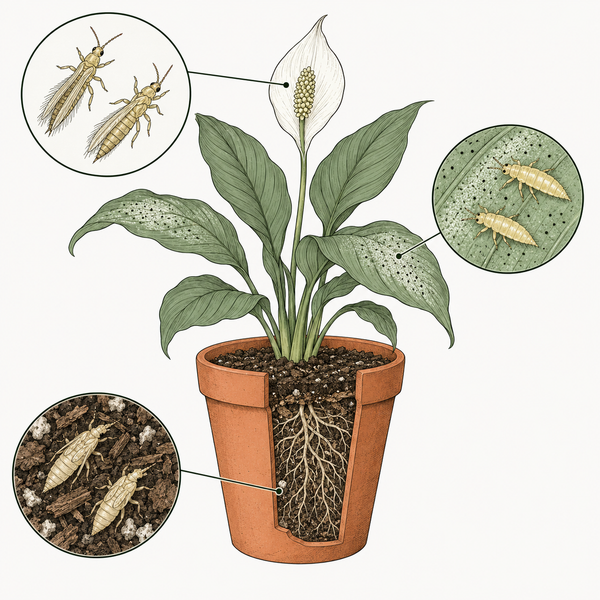
How Did Thrips Get In Here?

Found thrips? Follow the possible routes from new plants, flowers, outdoors, and growing media—and understand why discovery can come long after arrival.
Read more
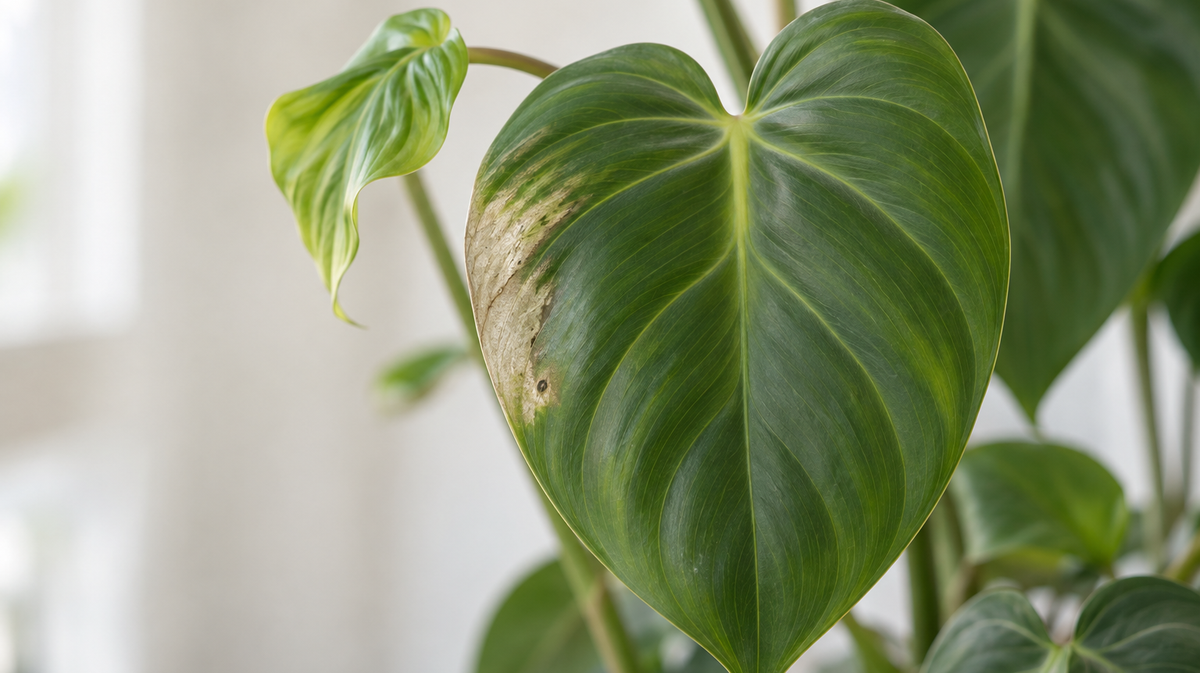
Philodendron leaf with an irregular pale scar and distorted young growth behind it.

Thrips Leave More Than Marks

— Karen Horn
Thrips can affect how leaves develop and function. Follow the damage from a feeding puncture to the new growth that helps a plant recover.
Read more
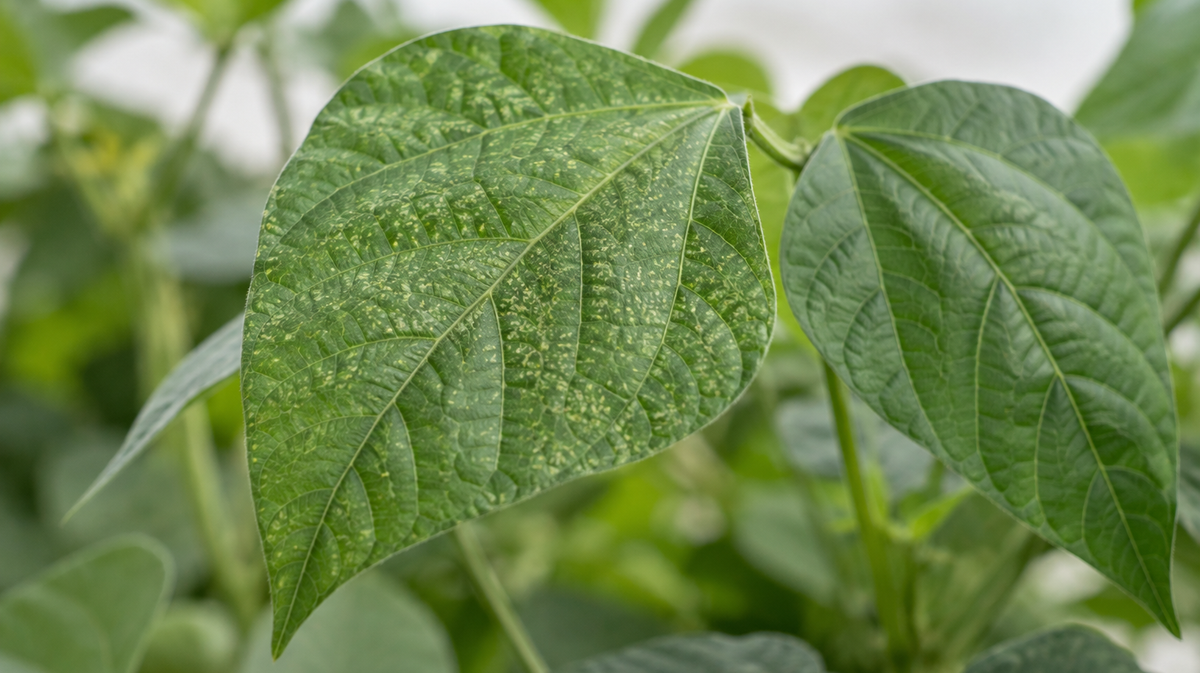
Adjacent bean leaves with pale stippling on one leaf and green tissue on the other.

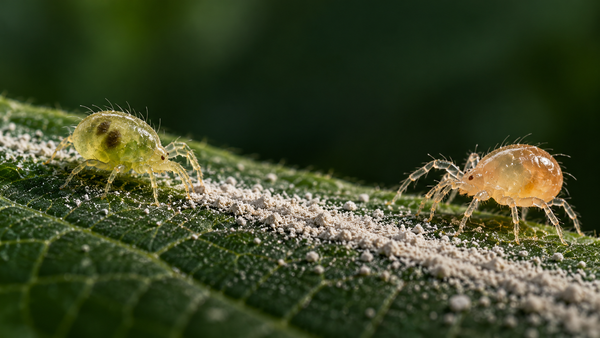
How Predatory Mites Use Chemical Signals

— Karen Horn

Predatory mites don’t just hunt—they communicate. Plants call for backup with chemical signals, predators leave scent trails, and entire ecosystems shift in response. These invisible conversations shape how pests are controlled, long before you see results on the leaves.
Read more
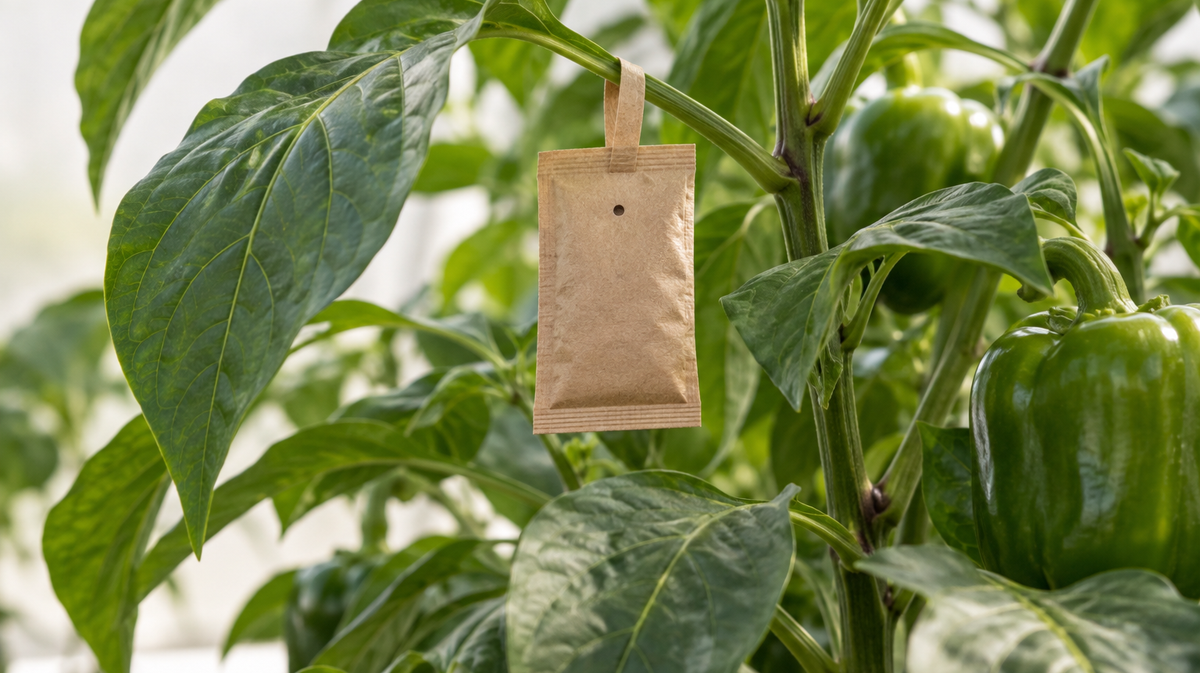
Plain kraft-paper predatory-mite sachet hanging within a green pepper plant canopy.

What’s Really Inside a Predatory Mite Sachet?

Predatory mite sachets may look empty at first glance, but inside is a carefully balanced ecosystem of carrier material, feeder mites, and predatory mite eggs or juveniles. Rather than flooding plants with adults all at once, sachets are designed to release beneficial mites gradually over four to six weeks, keeping pest populations under control. This invisible, slow-release system is what makes sachets so effective for long-term prevention—even if you never spot a mite with the naked eye.
Read more
Close-up of a cannabis plant in flowering stage, highlighting trichomes and pistils, used in pest management with predatory mites.

Optimizing Pest Management in Cannabis Flowering Using Predatory Mites
Learn how strategic use of predatory mites during cannabis flowering ensures premium-quality, pesticide-free harvests.
Read more
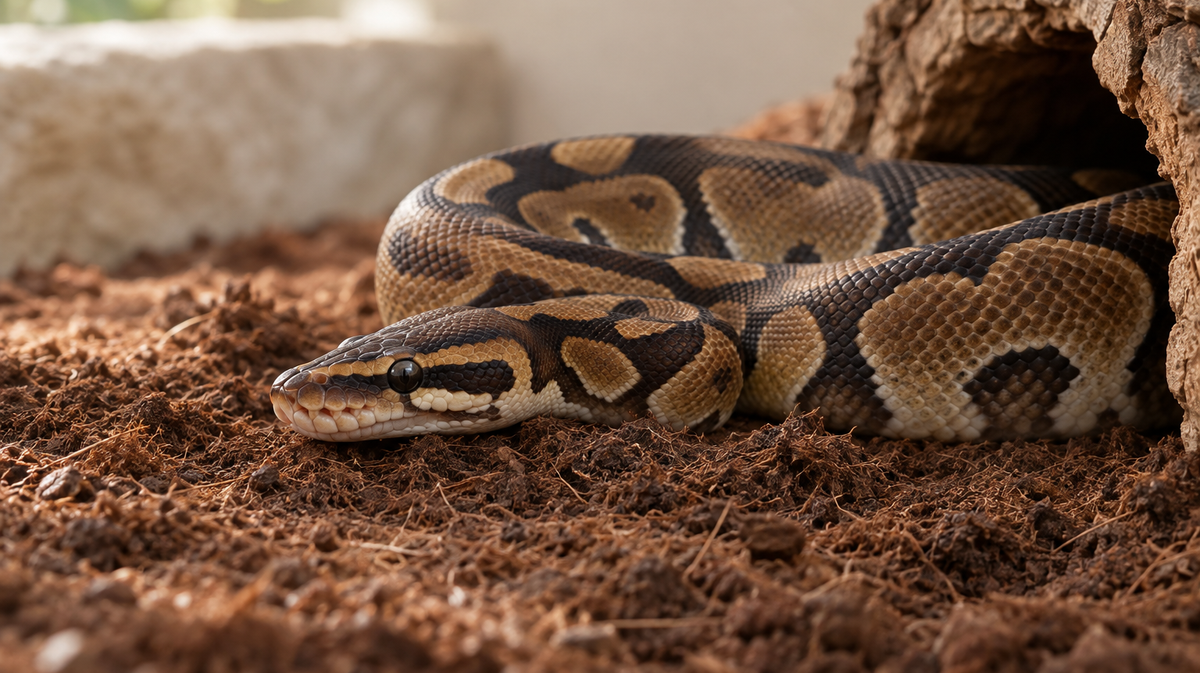
Ball python resting on textured enclosure substrate beside a cork bark hide.

How to Treat Snake Mites Naturally with Predatory Mites

— Karen Horn
How to use Stratiolaelaps scimitus, a soil-dwelling predatory mite, in your snake's enclosure, and what the evidence does and doesn't show for snake mites. This guide covers spotting an infestation, introducing the mites, ongoing care, and when your snake needs a vet.
Read more